admin
admin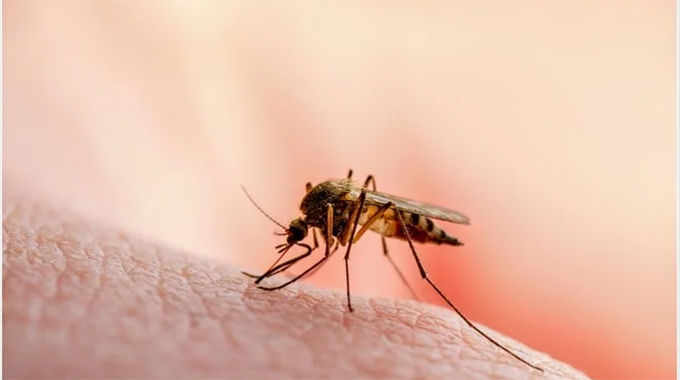
Rumbidzayi Zinyuke
Health Reporter
The Ministry of Health and Child Care has warned the public to remain vigilant and take preventive measures to protect
themselves against malaria as the rainy season approaches.
Malaria remains a major public health disease prioritised for elimination. This is despite the various measures that have been
implemented to curb the disease.
“As the rain season approaches, remember that malaria is a serious and potentially fatal disease if left untreated. Take action to
protect yourself and your loved ones,” the ministry said in an alert.
“Sleep in a sprayed house daily in districts that receive indoor residual spraying, sleep under an insecticide-treated net (ITN)
every day for all household members, especially pregnant women and children under 5 in districts that receive the treated nets,
wear clothing that cover most of your body when outdoors during peak mosquito biting hours (between sunset and sunrise)
and apply insect repellents to exposed skin and eliminate standing water around homes to prevent mosquito breeding.”
Malaria is caused by a parasite that is spread through a bite from an infected female anopheles mosquito and approximately
67,5 percent of the population reside in malaria-risk areas.
Malaria transmission increases from November through to May with a peak transmission from February to May, coinciding
with the rainy season which increases the mosquito breeding sites.
The Ministry encouraged Zimbabweans to seek testing and treatment within 24 hours of developing symptoms (fever, chills,
joint pains, nausea, and vomiting) to prevent progression to severe disease that can lead to death.
Those initiated on treatment were also urged to complete full treatment courses for effective cure while children under five
should receive prompt treatment if symptoms occur.
“Remember, malaria can be fatal if left untreated, early treatment is crucial, prevent mosquito bites – prevent malaria.”


 Online Reporter