Chronicle Editor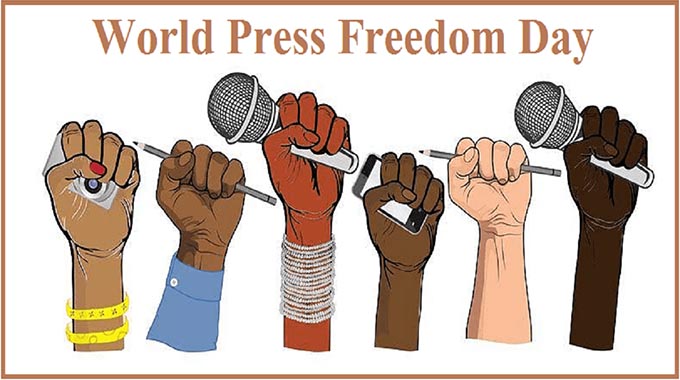
Sukulwenkosi Dube-Matutu, [email protected]
ENVIRONMENTAL experts have urged journalists to report on environmental issues in local languages, saying it is a key strategy to address the environmental crisis confronting the country.
They argued that disseminating information in local languages can enhance community understanding and engagement, fostering more effective environmental stewardship.
Speaking during the belated Media Institute of Southern Africa (Misa) organised World Press Freedom Day commemorations in Gwanda last Friday, Matabeleland South meteorological officer, Mr Rodgers Munyira said the media plays a crucial role in disseminating crucial information on climate change at the grassroots level.
The commemorations were held under the theme “A place for the planet: journalism in the face of the environmental crisis”.
“We want communities to adopt, absorb, and adapt to the challenges of climate change, and at the same time, we want them to be able to recover. We want them to be able to rebuild and build resilience so that they can be able to resist the next kind of impact or hazard that may befall them,” said Mr Munyira.
“To do this, communities should have information on how their actions are impacting the environment and how to rebuild the environment.”
Mr Munyira said the media have a role to play in disseminating information to the communities for them to adopt environmentally friendly practices.
“We need the media to, not only disseminate information, but implicitly give the information to communities in their local languages so that they can fully understand the message,” he said.
Mr Munyira said for the media practitioners to amplify the environmental message they have to first interrogate and understand the legislation and policy framework on environmental issues for informed reporting.
Speaking during the same event, the Forestry Commission’s Gwanda District forestry extension officer, Mr Fortunes Matutu urged journalists to interrogate how the environmental crisis affects livelihoods.
“This environmental crisis that we are experiencing is getting worse each year and in the process, livelihoods are affected. We need to put a human face in environmental issues, but in a positive manner where we can promote the preservation of natural resources,” he said.
“Let’s report more on good practices that communities have adopted to cushion themselves against climate change and the environmentally friendly practices which they have adopted.”
Mr Matutu said the media should help demystify the myths that exist around environmental issues.
Environmental Management Agency (EMA)’s Matabeleland South provincial education and publicity officer, Mr Simon Musasiwa said the media play a vital role in changing the mindset of community members on sustainable use of the environment including the adoption of environmentally friendly practices.
“The media fraternity has a major role to play in environmental management as it is responsible for educating, agenda-setting and informing the public as well as decision-making on environmental sustainability,” he said.
“As a province, we are severely affected by environmental challenges such as pollution, illegal mining, land degradation, biodiversity loss among others.”
Nketa legislator Cde Albert Mavunga said journalists should be at the front in terms of documenting the effects of climate change, deforestation, pollution and biodiversity.
“The media should bring these issues to the public’s attention, holding institutions, corporations and other stakeholders accountable and giving a voice to those affected by environmental degradation. — @DubeMatutu


 Online Reporter