Online Reporter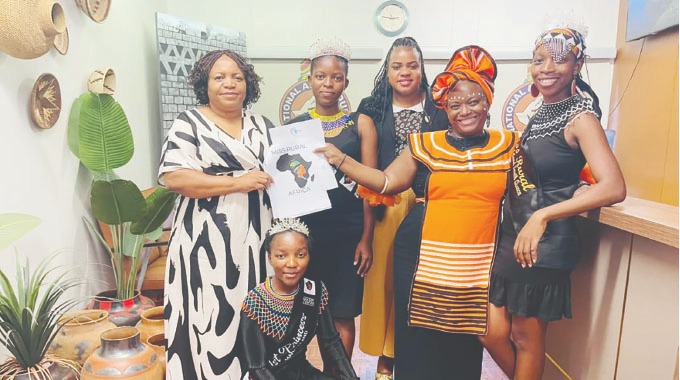
Bongani Ndlovu, [email protected]
A GROUNDBREAKING milestone by Sipho Mazibuko has positioned Zimbabwe at the centre of a new African pageantry movement after her Miss Rural Africa and Mr Rural Africa brands received continental trademark approval from the African Regional Intellectual Property Organisation (ARIPO).
The development effectively elevates the pageants from a local initiative into a fully recognised international brand, granting Mazibuko legal protection and commercial control across multiple African jurisdictions.
“It means that we’re now an international pageant, we’re no longer limited to Zimbabwe,” Mazibuko said in an interview.
The ARIPO certification that she received in February marks a significant shift in African pageantry, traditionally dominated by Western-owned franchises such as Miss World and Miss Universe. For the first time, an African-owned pageant brand rooted in rural identity has secured continental intellectual property rights, allowing it to operate, and more importantly, expand on its own terms.
Mazibuko described the milestone as “breaking the ceiling”, noting that it establishes a new precedent for African ownership in an industry where local participants have often fed into externally controlled brands.
“This is the first of its kind, a pageant that conforms to African standards, not Western standards of beauty. We’re saying Africa is enough as it is,” she said.
While the trademark gives Mazibuko exclusive rights over the Miss Rural Africa and Mr Rural Africa brands, she will not directly run competitions in all participating countries. Instead, her model is to license the brand to national organisers who understand their own cultures and heritage.
Winners from those countries will then compete at a continental final set to be hosted in Zimbabwe, a move she believes will reverse decades of capital flight in the pageantry industry.
“Zimbabwe now has the power to host Africa without paying anyone. For years, we’ve been sending our models to make money for other countries. Now the spotlight is on Zimbabwe,” she said.
The approach mirrors global pageant systems, but with a critical difference, ownership remains African. Mazibuko is banking on the trademark to unlock significant economic benefits, particularly in tourism and job creation.
Drawing from her experience with Miss Rural Zimbabwe, she cited how resort towns such as Kariba reached full capacity during events, with hotels booked out and local businesses recording brisk trade. She expects the continental edition to amplify that impact.
“When you bring 54 countries into Zimbabwe, you’re bringing tourists, media, designers, artistes and investors. That translates into jobs, from hotels to sound engineers, from fashion designers to caterers,” she said.
The model also includes revenue streams from licensing fees, broadcasting rights and cultural exhibitions, with Mazibuko indicating that fees could run into millions of dollars as the brand grows.
Beyond economics, Mazibuko says the pageant represents a cultural shift. Contestants will not be required to conform to conventional global beauty standards. Instead, participants will showcase their natural appearance, traditional attire and indigenous languages.
“Our models will not be forced to wear wigs or artificial enhancements. They will represent their cultures as they are, unapologetically African,” she said.
The pageant is open to contestants aged between 18 and 30, with strict criteria ensuring participants are authentically from rural communities. To safeguard that authenticity, Mazibuko plans to work with traditional leaders, local authorities and Government ministries to vet contestants.
She was quick to say the achievement was a national milestone rather than a personal triumph.
“This is not just for me, it is for Zimbabwe and for rural communities that have never been recognised in pageantry,” said Mazibuko.
She added that the initiative aligns with broader efforts to promote Zimbabwe’s cultural identity and tourism potential on the global stage.
The first Zimbabwean edition is pencilled for September 27, in line with World Tourism Day, after which focus will shift to the continental rollout.
Mazibuko’s ambitions extend beyond Africa, with plans already underway to pursue Miss Rural World and Mr Rural World trademarks.
The long-term vision is to build a global platform that celebrates rural identity while creating sustainable economic opportunities.
Her daughter, Zoleka Mazibuko, played a crucial role in securing the trademark, particularly in Francophone countries, leveraging her legal expertise and experience in international intellectual property systems. Inspired by her own rural upbringing, she said the initiative seeks to correct historical exclusion and give rural Africans a platform to be seen and celebrated.
“Africa has arrived. We’re taking ownership of our narrative, our beauty and our identity,” she said.
If successfully implemented, the Miss Rural Africa trademark could mark a turning point, not just for Zimbabwe, but for an industry long shaped by external influence.