Online Reporter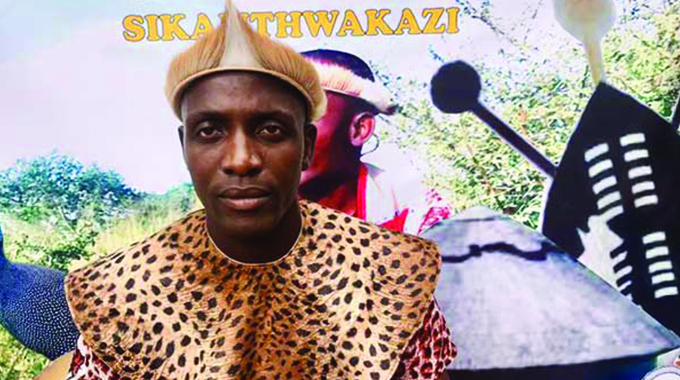
Sipepisiwe Moyo, Zimpapers Arts and Entertainment Hub
ZIMBABWEAN poet, author and researcher Martin Mlilo is set to launch his latest book, Imvelo leSintu Sethu, on August 28, 2025. Written in the Ndebele language, the book seeks to promote and revive Zimbabwean culture through a rich exploration of indigenous knowledge systems.
Renowned for his literary works that delve into themes of culture, identity and social issues, Mlilo has previously published poems such as Umnyaka Omusha (The New Year) and Akuvumi Ngithule (I Won’t Be Silent).
According to Mlilo, Imvelo leSintu Sethu explores the depth of Ndebele traditional knowledge, covering topics such as customary practices, indigenous tree planting, environmental sustainability, cultural heritage, identity, Ndebele history and folklore.
“My goal is to educate and inspire young people about the importance of Ndebele culture and environmental sustainability, teaching them how to preserve and promote our heritage for future generations,” said Mlilo.
He said he was driven by the loss of cultural values and growing environmental degradation in local communities, which inspired him to document and safeguard traditional wisdom before it disappears.
“Through the book, I also aim to build cultural bridges between communities,” he added.
Mlilo’s work has made a notable impact by encouraging young people to reconnect with their cultural roots and better care for the environment.
He believes the book will also serve as an academic resource for schools, colleges and cultural workshops, particularly in subjects such as Indigenous Knowledge Systems, Agriculture, Language and Culture.
“Readers will gain insight into preserving both culture and the environment, particularly through indigenous wisdom. They will also be inspired to value their roots and take action in protecting our natural resources,” Mlilo said.
He expressed hope that the book would help revive and preserve Ndebele traditions, beliefs and practices that are at risk of being forgotten.
“It’s a learning tool for both young people and adults seeking to reconnect with their roots. Since it’s written in Ndebele, it also aids language development, helping readers improve their vocabulary while fostering pride in mother-tongue literature.”
The book also highlights the value of nature, traditional farming, herbal medicine, and sustainable living, showing how culture and conservation are interlinked. I am a passionate advocate for Ndebele culture and environmental sustainability, dedicated to sharing its richness with younger generations,” Mlilo said.
“Through interactive workshops, presentations, and community engagement, I visit high schools and colleges, showcasing traditional artefacts and sharing stories that highlight the importance of our heritage.”
Mlilo’s cultural advocacy goes beyond writing. He showcases indigenous artefacts and is working on a new book focused on indigenous fruits in Zimbabwe, highlighting their nutritional and cultural importance.
“These fruits are often overlooked in favour of imported ones. I want to promote awareness and appreciation for them,” he said.
In addition to poetry and articles celebrating Ndebele culture and language, Mlilo actively engages with communities through the BCMN Literary Trust, hosting workshops and presentations in schools and colleges.
He incorporates traditional artefacts such as clay pots (amphorae), beaded jewellery, traditional clothing, musical instruments and storytelling in his sessions. Demonstrations of Ndebele customs and indigenous tree planting initiatives also form part of his approach.
“My indigenous tree planting campaigns in schools not only promote environmental sustainability but also teach learners about the cultural significance of native trees. This holistic method helps deepen the connection between students, their heritage, and the natural world.”
Mlilo is a recipient of two Matabeleland Cultural Awards, one for Outstanding Ndebele Dictionary in 2021 and a Special Recognition Award in 2022.