Online Reporter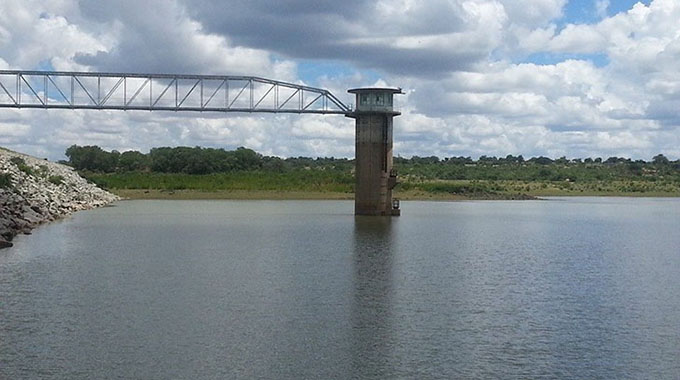
Austin Nyathi, Zimpapers Correspondent
NON-governmental organisations (NGOs) must deepen partnerships with the Government, by investing in sustainable development projects that improve livelihoods in rural communities.
Deputy Minister of Defence and Security, Brigadier General (Rtd) Levy Mayihlome, said this on Saturday during the commissioning of the US$25 000 Mlomoliwoto piped water scheme in Ward 5 of Umzingwane District, Matabeleland South.
The project is a joint initiative between Umzingwane Rural District Council and World Vision Zimbabwe, and is set to benefit 108 villages.
“This is a welcome development that speaks to what we need in Umzingwane District. World Vision has been with us for seven years and continues to implement life-changing projects, especially for our children and communities,” said Brig Gen (Rtd) Mayihlome.
He noted that Mlomoliwoto is the 10th water supply project that World Vision has implemented in the district, adding that such infrastructure is critical in improving health outcomes, food security and economic activity in rural areas.
Deputy Minister Mayihlome urged communities to leverage the improved water access by engaging in fodder cropping and piggery projects, to enhance self-reliance.
“Umzingwane is rich in potential. I challenge the youth to go further by conducting research and identifying the mineral resources in this province, so we can unlock more economic opportunities,” he said.
Speaking at the same event, World Vision’s southern region operations manager Mr Shepherd Dlamini, said the Mlomoliwoto piped water scheme has a 30 000-litre capacity, ensuring reliable access to clean water for both domestic use and small-scale projects.
“The scheme is designed to serve multiple villages, reduce the burden of walking long distances for water and enable local economic activities,” he said.
The scheme has already catalysed new economic ventures. Project chairperson, Mr Bonisani Mafela said the local community had established a 30-member fish pond project, which now supplies fish to surrounding markets.
“This water scheme is a game-changer. Not only do we have consistent water for our households, but we’ve also started small businesses like fishing, which are improving incomes and food security,” said Mr Mafela.
The project aligns with Vision 2030 goals of achieving an upper-middle-income economy through infrastructure-led development, devolution and empowerment of rural communities.