admin
admin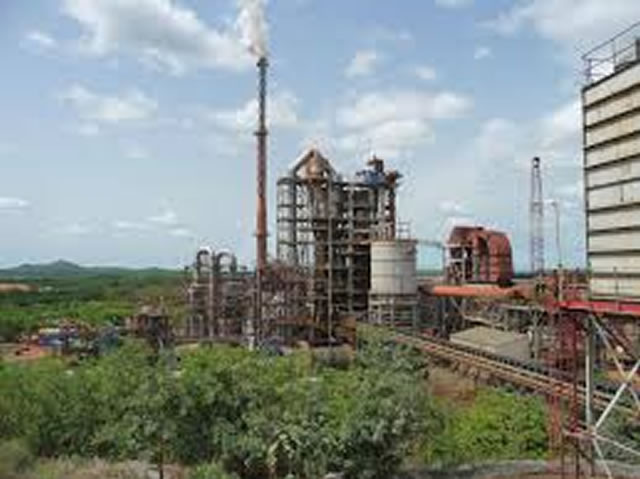
 Harare Bureau
THE Minerals Marketing Corporation of Zimbabwe is looking for investment partners to inject $20 million to upgrade its roasting plant in Kwekwe with a view of extracting close 100,000 ounces of gold contained in the dumps.MMCZ general manager Mr Richard Chingodza said the dumps have an estimated 350,000 metric tonnes of ore and according to Peacocke and Simpsons Mineral Processors, they contain 97,220 ounces of gold worth $140 million at current prices.
The roasting plant was established in 1937 by the then government of Rhodesia to assist small and medium-scale miners around Kwekwe in the processing of dumps or refractory gold ore.
In refractory ore, gold is locked up within the crystal lattice of sulphide minerals as very fine particles. The only way to recover refractory gold is to break down the crystal structure of the sulphide mineral. The traditional method of doing this has been roasting.
Mr Chingodza said the plant upgrade would add volumes to the national gold output.
“The Government would like to replace the roasters with new technology that will improve the recovery of gold and reduce the environmental impact of the plant,” Mr Chingodza said.
“This will not only put existing mines on a sounder economic base but also encourage new mines to enter production. (While operational), the roasting plant was processing at least 10 percent of the national gold output and the gold was mainly coming from small and medium miners.”
About 26 mines used to get services from the plant and after it shut down all the mines closed. Previously, the MMCZ engaged some partners with view of upgrading the plant to improve capacity.
Mr Chingodza said the systems at the plant were now obsolete and need a complete overhaul. Upon re-opening the refractory plant, the MMCZ intends to start its first phase of operations on the treatment of residual dumps that have piled over the past 77 years.
“If the Government can put a facility with efficient technology, it will attract miners of the refractory gold to produce more ore and also see the re-opening of the mines that were closed due to the shutdown of the plant,” he said. The Kwekwe plant has capacity to process about 9,000 to 10,000 tonnes of concentrate per annum.
Extensive reserves of the refractory gold exist in Zimbabwe, particularly in the Kwekwe, Kadoma and Gwanda greenstone belts. This roasting plant was set up to custom treat refractory gold floatation concentrates from the mines in Zimbabwe. Many small and medium sized mines would not have been able to operate profitably without the plant.
The refractory plant ceased operations in 2000 and the Government transferred the ownership of the assets to MMCZ on condition that MMCZ would pay all the liabilities (creditors) that the roasting plant had. The corporation paid all the liabilities and assumed ownership of the assets on behalf of Government.
In 2001 an arrangement was established between Scientific and Industrial Research and Development Centre and MMCZ where both parties would joint venture in resuscitating the operations of the roasting plant.
MMCZ funded the installation of the technology and the running of the plant, but until 2006, no meaningful gold was produced by the new SIRDC Acid Technology at least to cover operating expenses. This culminated in the termination of the agreement in December 2006.



 Online Reporter