Chronicle Editor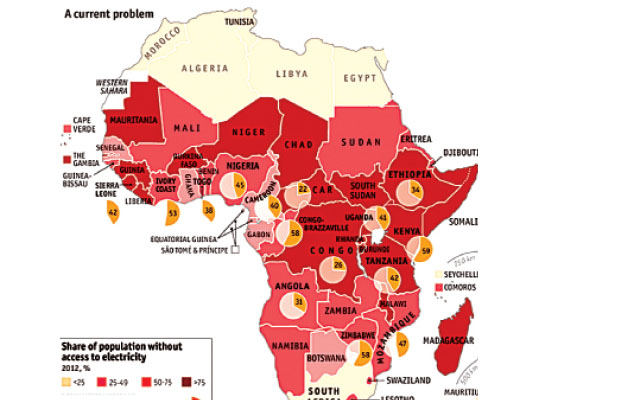
A DECADE after mobile phones began to spread in Africa, they have become commonplace even in the continent’s poorest countries. In 2016 two-fifths of people in sub-Saharan Africa had mobile phones. Their rapid spread has beaten all sorts of odds. In most African countries, less than half the population has access to electricity. In a third of those countries, less than a quarter does.
Yet in much of the continent people with mobile phones outnumber those with electricity, never mind that many have to walk for miles to get a signal or recharge their phones’ batteries. Mobile phones have transformed the lives of hundreds of millions for whom they were the first, and often the only, way to connect with the outside world. They have made it possible for poor countries to leapfrog much more than landline telephony. Mobile-money services, which enable people to send cash straight from their phones, have in effect created personal bank accounts that people can carry in their pockets. By one estimate, the M-Pesa mobile-money system alone lifted about 2 percent of Kenyan households out of poverty between 2008 and 2014. Technology cannot solve all of Africa’s problems, but it can help with many.



 Online Reporter