

 Vusumuzi Dube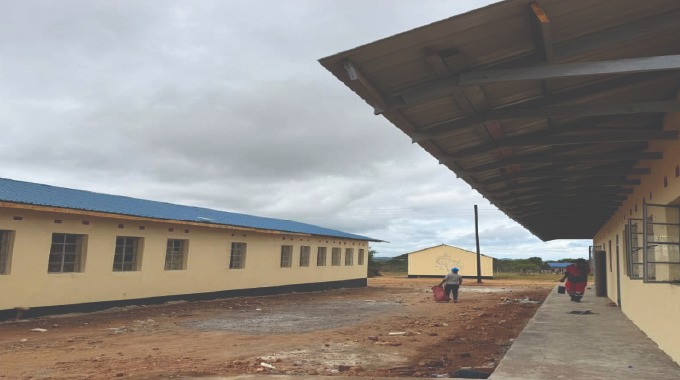
Peter Matika, [email protected]
GOVERNMENT has intensified efforts to bridge the digital divide in rural communities with the establishment of modern computer laboratories at Mahetshe Primary and Secondary Schools in Matobo District, Matabeleland South, setting the pace for technological transformation across the country.
The computer laboratories, constructed by the Rural Infrastructure Development Agency (RIDA), are part of legacy projects aimed at enhancing access to information and communication technologies (ICTs) across the province.
Deputy Minister of Information, Communication Technology, Postal and Courier Services, Cde Dingumuzi Phuti, recently toured the facilities and expressed satisfaction with the progress made so far.
He said the laboratories will soon be fully equipped with the necessary ICT tools through collaboration between the Ministry and the Postal and Telecommunications Regulatory Authority of Zimbabwe (Potraz).
“President Emmerson Mnangagwa is, as per norm, expected to officially open the computer laboratory on April 17, the day of the children’s party,” said Cde Phuti.
He added that the developments signal a new era for the district.
“Matobo District will never be the same again. Apart from ICT sector-related developments, it seems like Maphisa has been built from scratch to the civilisation of the century.
“The two state-of-the-art and fully equipped computer laboratories for Mahetshe Primary and Secondary schools will bridge the digital divide,” he said.
The initiative is part of a broader Government programme spearheaded by the Ministry of Information Communication Technology, Postal and Courier Services, to ensure inclusive digital access in line with the Second Republic’s development agenda.
Speaking on the programme, Minister of Information, Communication Technology, Postal and Courier Services, Dr Tatenda Mavetera, said the rollout of computer laboratories across Matabeleland South is guided by the Government’s vision of leaving no community behind.
“The ministry established a computer block. We have not only done it here, but we also managed to construct another one at Mayetshe Secondary School,” she said.
Dr Mavetera paid tribute to President Mnangagwa’s leadership, noting that his vision continues to drive inclusive development.
“We really want to thank the vision and leadership of His Excellency, who says that we do not have to leave anyone and any place behind,” she said.
The minister highlighted that the ministry has established computer laboratories in every constituency within the province, alongside rolling out connectivity solutions to ensure effective utilisation of the facilities.
“As we are establishing these computer labs, we are also providing connectivity through Starlink gadgets for every school to make sure that they have access to the internet,” said Dr Mavetera.
She said beyond infrastructure development, the ministry has also prioritised skills development, training more than 2,000 people in digital competencies and establishing six digital centres across the province.
Dr Mavetera said these efforts are aligned with the demands of the Fourth Industrial Revolution, which requires a digitally skilled population.
“Following the launch of the National Artificial Intelligence Strategy by His Excellency, it is important for us to avail tools and skills relevant for the future,” she said.
Dr Mavetera further said the Government has established 28 free Wi-Fi hotspots across Matabeleland South, which are set to be officially launched on April 17.
“We believe this is the right way to go, ensuring that young people have access to connectivity and the tools they need to participate meaningfully in the digital economy,” she said.
Dr Mavetera said the developments underscore the Government’s commitment to modernising rural education infrastructure and empowering communities through technology, positioning learners in previously marginalised areas to compete in an increasingly digital world.



 Online Reporter