Online Reporter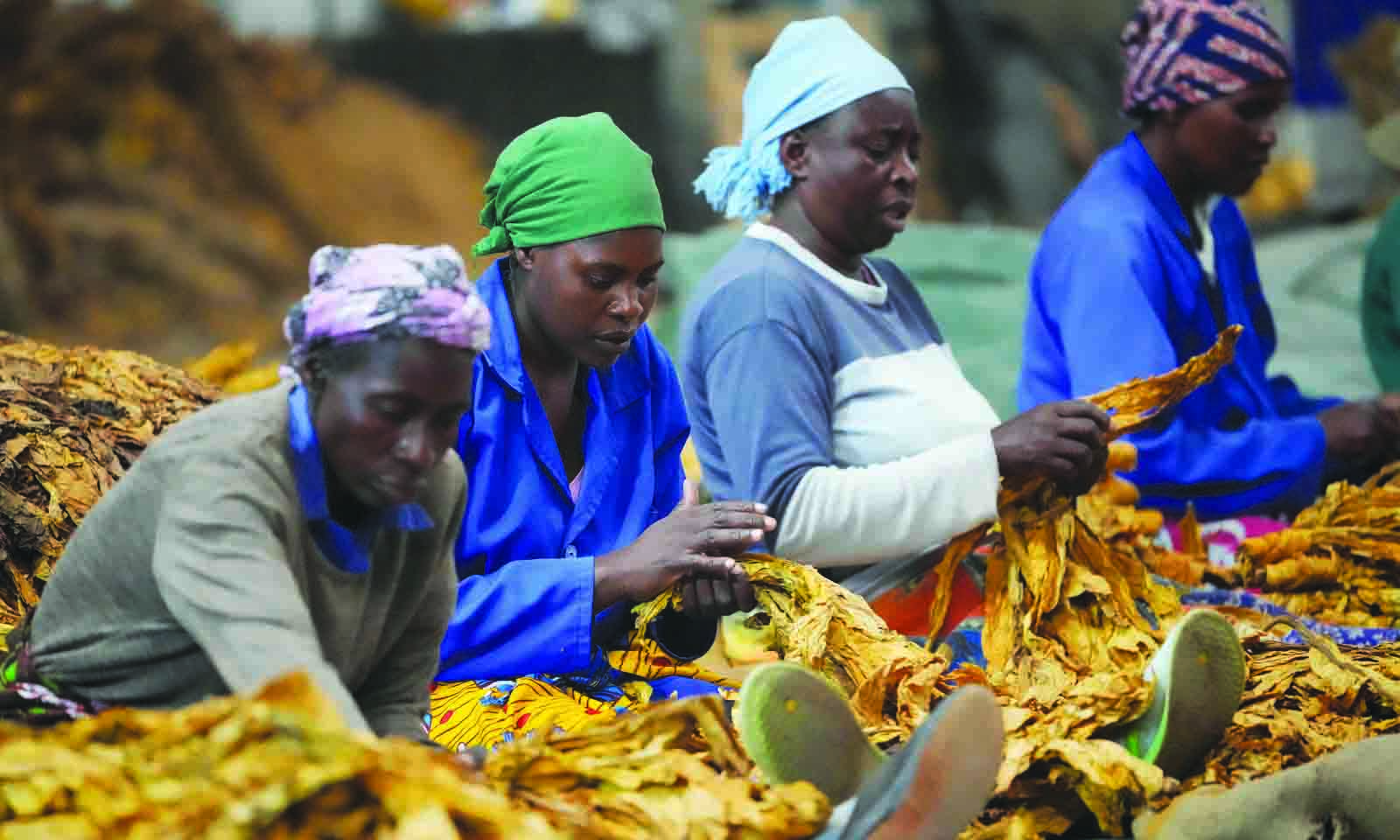
Innocent Mujeri
AS Zimbabwe prepares to commemorate Heroes Day, the air fills with the familiar rhythms of ceremony – the solemn parades, the laying of wreaths, the speeches echoing with the names of those who fought for our nation’s freedom.
Yet, walking through Harare’s bustling streets, one cannot help, but wonder: in a Zimbabwe grappling with economic transformation, climate challenges and social change, what truly constitutes heroism in our time?
The answer lies not in the pages of history alone, but in the living, breathing Zimbabwe of today.
Our national narrative of heroism, so deeply rooted in the liberation struggle, must expand to embrace those who wage quieter battles – the farmers coaxing life from drought-stricken soil, the activists fighting for marginalised voices and the young innovators rewriting Zimbabwe’s future in lines of code and solar energy.
These are the unsung heroes of our era, proving daily that patriotism is not merely memory, but movement.
Consider the tobacco fields of the three Mashonaland provinces, where farmers rise before dawn to tend crops under increasingly erratic skies.
Climate change has rewritten the rules of Zimbabwean agriculture, turning what was once predictable into a gamble against nature.
Yet, through conservation farming techniques and stubborn perseverance, these men and women are keeping our nation fed and our economy afloat.
Their calloused hands tell a story of resilience no less heroic than those who bore arms for independence. As one elderly farmer in Mutoko told me, “We fought for this land with guns; now we fight for it with hoes and seeds – but the war continues.”
This quiet revolution extends beyond our fields. In Bulawayo’s townships, young women are coding apps that connect rural artisans to global markets.
In Harare’s innovation hubs, engineers are designing solar solutions to power clinics off-grid. These tech pioneers represent a new front of Zimbabwean heroism – one where the weapons are laptops and the battlefields are startup incubators. Their victories may not make headlines, but in rewriting our economic story, they honour the sacrifices of those who came before by building the future those heroes dreamed of.
Yet true heroism in modern Zimbabwe must also be measured by our commitment to social justice.
The disability rights activist fighting for accessible buildings in Gweru, the feminist collective providing legal aid to abused women in Chitungwiza, and the youth leaders registering first-time voters in Mbare – these are today’s nation-builders.
Their work continues the liberation struggle’s unfinished business: creating a Zimbabwe that truly belongs to all its people.
This expanded understanding of heroism stands in stark contrast to the performative patriotism that sometimes dominates our national discourse.
Empty sloganeering and political pageantry do little to honour our heroes’ legacy. True tribute lies not in chanting revolutionary songs, but in continuing the revolution’s work – whether that means ensuring every child has textbooks, every farmer has access to markets, or every citizen can participate fully in our democracy.
The beauty of this modern heroism is its accessibility. Unlike the battlefield heroics of the past that required extraordinary circumstances, today’s Zimbabwe offers daily opportunities for heroic action.
The teacher who buys supplies for her students out of her salary, the nurse working triple shifts in an understaffed clinic, and the entrepreneur who employs 10 youths when she could barely afford two – these ordinary Zimbabweans are writing our nation’s next chapter through extraordinary commitment.
As we approach Heroes Day, let us broaden our gaze beyond the monuments and ceremonial rifles. Let us honour the liberation war veterans, yes, but also recognise that their greatest legacy may be the Zimbabwe they made possible – a nation where heroism has taken new forms suited to new challenges.
The farmer battling climate change, the activist demanding equality, and the innovator solving local problems – they all answer the same call to service that once drew young men and women to the bush war.
Perhaps this is how we keep our heroes’ spirits most alive – not by freezing them in bronze, but by recognising their courage in ourselves and our neighbours.
The true measure of our patriotism lies not in how loudly we sing the national anthem, but in how faithfully we serve Zimbabwe’s needs today.
As we lay wreaths this Heroes Day, let us also plant seeds of innovation, of justice, of resilience – that will grow into the Zimbabwe our heroes envisioned.
For in the end, a nation’s greatness is not measured by the heroes it remembers but by the heroism it inspires.
And in the quiet, determined efforts of ordinary Zimbabweans rising to extraordinary challenges, that inspiration lives on. That is the heroism that will carry us forward – not just on one commemorative day but through all the days to come.
As the sun sets over Heroes Acre this August, may it illuminate not just the past we honour but the present we’re building and the future we owe to those who sacrificed before us.
That would be the truest tribute of all – a living memorial written not in stone, but in the thriving, just, and innovative Zimbabwe we create together.


 Bongani Ndlovu