

 Chronicle Editor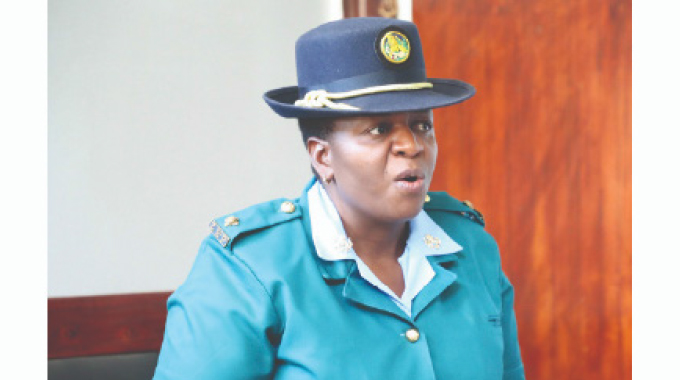
Amos Mpofu, [email protected]
BULAWAYO recorded 21 suicide cases from June this year, with 20 of them being male.
Police have expressed concern over the trend and called for enhanced social support in families and the community to promote good mental health, especially for males.
Bulawayo provincial police deputy spokesperson, Assistant Inspector Nomalanga Msebele, said the police were disturbed by the statistics.
“Since June, we’ve observed a worrying increase in suicide cases, with incidents occurring almost every fortnight. The ages of those affected range from 10 to 79 years,” she said.
She said the reasons behind the suicides are varied.
“There are many reasons people commit suicide, and some motivations may not even seem suicidal on the surface,” said Asst Insp Msebele.
“For example, one man took his life just before a maintenance court appearance, while another did so after being contacted by the police regarding a case.”
She noted that domestic disputes, life challenges, and feelings of helplessness are often underlying factors.
Emphasising the importance of seeking help, Asst Insp Msebele urged people to open up and talk to someone during difficult times.
“We encourage individuals to talk to trusted friends, pastors, or community leaders. Our community relations and liaison officers are available at all police stations to provide support and counselling, including referrals for free counselling services. Remember, suicide is not a solution to life’s challenges,” she said.
The tragic case of a 10-year-old girl in Pumula, who recently committed suicide, serves as a stark reminder of the urgent need for parental engagement.

Hence Asst Insp Msebele urged parents to closely monitor their children’s emotional well-being.
“As parents, we must spend quality time with our children, listen to their concerns, and involve them in family decisions. It’s crucial to acknowledge their feelings and fears,” she said, underlining that children’s struggles often go unnoticed.
Dr Wellington Ranga, clinical director at Ingutsheni Central Hospital, also shared insights into the challenges faced by men in an interview with Chronicle yesterday.
“We are suffering from the same issues, and these are contributing to the rising rates of suicide among men. While we encourage individuals to seek help from counsellors and pastors when they experience mental distress, the sad reality is that some of our brothers, despite seeking this support, still end up taking their lives,” he said.
“The counsellors we recommend, including pastors and experienced professionals, are sharing the same stresses we face and you can hear them directly or indirectly seeking counselling themselves.
“Thus, if those we trust for guidance are struggling with their own mental health, we must question the safety and effectiveness of their support.
“We cannot continue relying on outdated methods for managing stress and mental health that have repeatedly proven ineffective. We must convene around new approaches and work together to develop effective solutions for addressing mental health issues,” he emphasised.
Psychologist, Ms Jacqueline Nkomo, echoed similar sentiments, emphasising the heavy burdens many men carry in silence.
“Men are often pressured by societal norms to avoid expressing vulnerability, leading to destructive behaviours, including drug abuse and suicide,” she said.
“The belief that ‘real men’ don’t cry can exacerbate feelings of isolation and despair.”
Ms Nkomo also urged parents to be mindful of their language when speaking to children, noting that harmful words can significantly impact a child’s emotional health.
“It’s essential to create a safe space for children to express their feelings, rather than dismissing their concerns as trivial,” she advised.
The rising suicide rates in Bulawayo serve as an urgent call for improved mental health awareness and support systems.
Community leaders, parents, and mental health professionals must collaborate to create an environment where individuals feel safe to express their emotions and seek help without fear of stigma.
By fostering open discussions and supportive networks, the community can work towards reversing this tragic trend and ensuring that no one feels alone in their struggles.


 Online Reporter