Chronicle Editor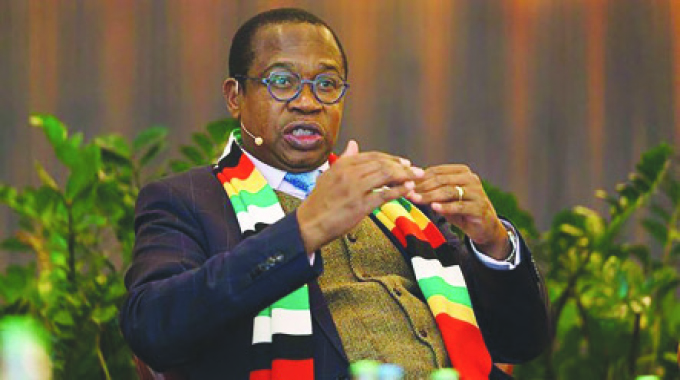
Robin Muchetu, Senior Reporter
THE Government has said it is aware of the staff attrition affecting the country’s health sector and is working around the clock to arrest it with monetary and non-monetary benefits being worked out as part of staff retention incentives.
Presenting his Mid-Term Budget Review Statement recently, Finance, Economic Development and Investment Promotion Minister, Professor Mthuli Ncube highlighted the budgetary allocations for the ministry and the work done so far in the various health facilities in the country.
“To address attrition in the sector, which is compromising the effective service delivery, the Government is continuously reviewing both monetary and non-monetary incentives. In this regard, the Government has set aside resources for the construction of institutional accommodation for health personnel, including procurement of staff buses and operational vehicles.
“Furthermore, medical personnel are benefiting from the duty-free importation of personal motor vehicles,” said Prof Ncube. Health workers have been calling for improvement of non-monetary benefits such as housing, vehicle schemes and other benefits.
Prof Ncube said, in his budget presentation, expenditures towards the health sector during the first six months of the year amounted to ZiG2,5 billion, of which ZiG2,1 billion was channelled towards employment costs, as well as ZiG166 million for hospital support programmes and ZiG66 million for health infrastructure.

He said support to public health institutions included an amount of ZiG$28,5 million for blood and blood products, medical gas and dialysis for patients, mainly from resources ring-fenced from the health levy. The sector also benefited from US$72,3 million disbursed during the first quarter of 2024 by development partners with the United States Agency for International Development (USaid) disbursing US$65,6 million and support from the Global Fund of US$3 million towards HIV and Aids, malaria and tuberculosis prevention and maternal and child health programmes.
Prof Ncube said regarding health equipment and infrastructure, a total of ZiG35,6 million was disbursed mainly towards the construction of Lupane Provincial Hospital, installation of solar panels at various institutions, construction of pharmacy stores, as well as procurement of 36 ambulances, buses and hospital equipment.
The hospital equipment includes radiology equipment installed at Mpilo Central Hospital, monitors for various hospitals, and solar equipment.“Work is currently underway for the construction of two district hospitals and 16 health posts. The drilling of boreholes at the new health centres such as Paradza in Chivi, Nyamukate in Zaka, Lady-Stanley in Bulilima, and Manhize in Chivhu was undertaken during the period under review,” he said.
However, some outstanding work is set to be completed at Esigodini District Hospital, Filabusi Health Centre and Bulilima Health Post in Matabeleland South Province. The minister also said the Government has running contracts worth US$63 million with two major suppliers who are expected to consistently deliver medicines to NatPharm saying it is committed to ensuring universal access to affordable health care, therefore, a priority during the last half of the year is on securing a continued reliable supply of affordable essential medicines.
“So far, the Government has committed to honour all its contractual obligations, which have enabled the suppliers to start delivering the medicines. Going forward, the Government will ensure timeous payment of these obligations to guarantee an uninterrupted supply of medicines. In addition, work is underway to identify other potential suppliers of medicines as part of measures to secure adequate supply cost-effectively.
“This will be complemented by measures to supply chain management under the centralised procurement system to ensure value for money,” said Prof Ncube. —@NyembeziMu



 derick.khumalo