Online Reporter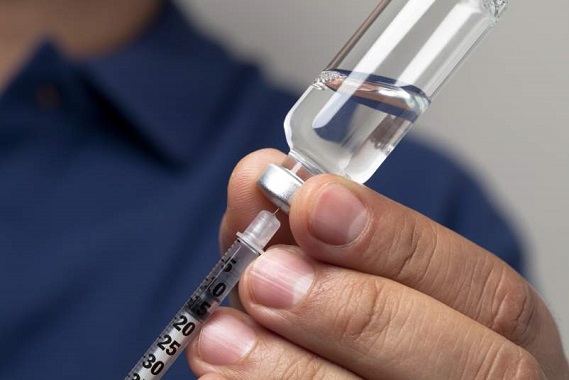
Robin Muchetu, [email protected]
In a remarkable departure from their typically low health-seeking behaviour, men are embracing Lenacapavir, the twice-yearly HIV prevention injection, with uptake among males reportedly outpacing that of women.
Lenacapavir is a long-acting injectable that prevents HIV infection in key and vulnerable populations and is administered twice a year to users. It was introduced to the country in February.
Zimbabwe is one of the early adopters of the new intervention and there is a target of 46,000 vulnerable people who are set to benefit from the intervention.
Ms Gertrude Ncube, the National HIV Prevention Coordinator in the Ministry of Health and Child Care, yesterday said men have been forthcoming in accessing the jab.
“Lenacapavir is the new kid on the block and it’s moving like hot cakes. I have never seen men coming for any HIV prevention intervention as we have seen with Lenacapavir,” said Ms Ncube.
She, however, hastened to say that the injectable must be used in combination with other HIV prevention interventions like condoms, which also prevent sexually transmitted infections and unwanted pregnancies.
Oral Pre-exposure Prophylaxis (PrEP) is available in all districts of Zimbabwe with all people at risk, including adolescent girls and young women, serodiscordant couples, pregnant and lactating women, high-risk populations and those using and injecting drugs able to access it freely.
Ms Ncube said oral PrEP has been popular with women and trends in southern Africa also reveal that men are now forthcoming.
“Men are actually coming more than women. When we started administering Lenacapavir, the first person who came was a man and yet when we look at females, they are coming for oral PrEP but not as much as we have seen for Lenacapavir,” she said.
“This is even the same with the region; we sometimes have meetings with Zambia and other areas, and they are actually seeing a similar scenario where we are seeing a lot of men coming for Lenacapavir injections,” she said.
“We analysed our statistics by gender we see that men are coming more.”
Ms Ncube highlighted that trends do change and there could be an increase in women who eventually take up the prevention jab.
“A total of 37 percent of men who have come compared to other methods is a lot for now and we don’t know going forward how it will play out,” she added.
Dr Purgie Chimberengwa, the technical director of the Organisation for Public Health Interventions and
Development (OPHID), highlighted that indeed, men have been lagging in health-seeking behaviours.
“Men generally are a difficult group to deal with and have poor health-seeking behaviours. A number of diseases like
HIV, the highest number of people who come with complications are men, because they wait until it is too late to visit a health facility,” she said.
In a bid to improve access to health information and services to cater for men who spend most of their time at work and cannot visit health centres during the day, the Ministry of Health and Child Care, together with its partners, now offer services in the evening.
“Through the Ministry of Health and its partners, they have introduced several activities that take place in the evenings, like opening of clinics till late to cater for men. “Some can actually come and collect their Antiretrovirals quite late and there is moonlight testing for HIV for men, which is done at night. We come up with these differentiated models to try and reach men,” said Dr Chimberengwa.
He added that in some institutions, pregnant women who come for Antenatal care with their husbands or partners, they are given preferential treatment.
“It’s the health system trying to reach out to men,” he added.