Online Reporter
Victoria Ruzvidzo
Editor’s Brief
Last week this column focused on the current state of affairs vis-a- vis the Vision 2030 goals. We established that almost all sectors of the economy are on track.
Many have exceeded targets under the National Development Strategy (NDS) 1 and are expected to do even better come NDS2 set for launch at the end if this year.
However, it is critical to introspect and establish what needs to be done to consolidate this position while ensuring that the journey as smooth as possible.
We sought views of some stakeholders in this economy.
They confirmed that indeed the economy is on the right track but more needs to be done to ensure nothing blurs Vision 2030.
Below are some of the submissions:
Confederation of Zimbabwe Industries chief executive Mrs Sekai Kuvarika had this to say:
Highly industrialised nations achieve upper middle income status, we need to accelerate industrialisation. Make industrial transformation the anchor of NDS 2.
We need to speed up regulatory reforms and ensure macro stability is maintained so we can have more leverage on our financial sector to fund our development aspirations.
This age of development is powered by electricity and energy generation needs to move as fast as we want to achieve industrialisation. The energy to power the industrial, mining and agriculture activities for achieving vision 2030 should not be achieved in 2030, it is needed now.
Nations achieve bold national economic ambitions through a string coalition around the economy between business and government. This is a key driver of the common goals and their scale.
Reserve Bank of Zimbabwe Monetary Policy Committee member and economic commentator Mr Persistence Gwanyanya said:
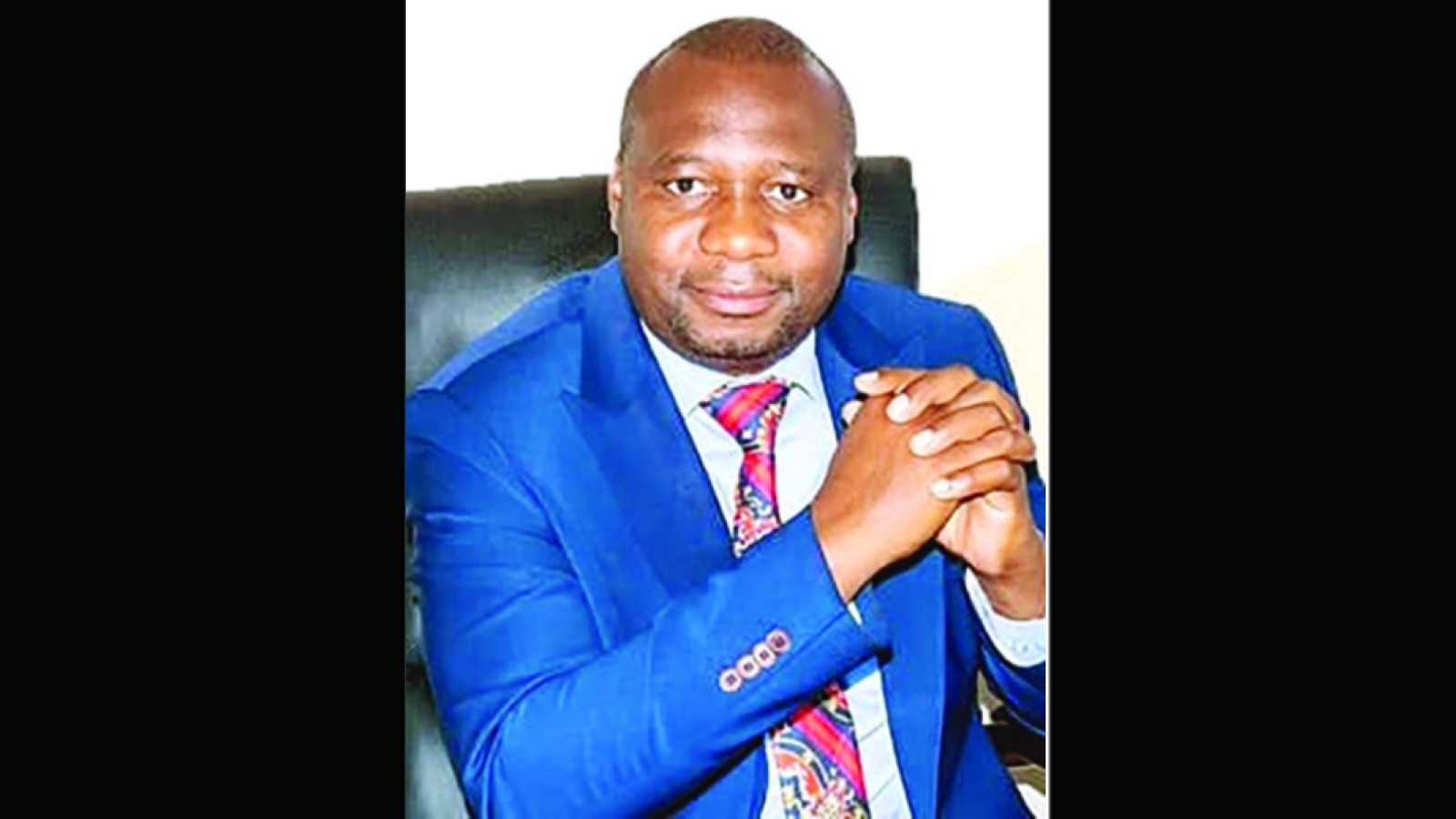
“After decades of inactivity, the construction sector has boomeranged, in both private and public spaces.
“Whilst it’s encouraging to suggest infrastructure drive should be sustained, there may be need for some adjustments on the funding models or in some cases toning down in the aggression to align with the realities on the ground and the need to sustain stability.
“Ideally infrastructure should be funded through long term finance, but in our case where this financing is not readily available on account of unfavourable international credit standing especially with the International Financial Institutions, innovative financial models should be explored. Importantly greater participation of the private sector for through Private Public Partnerships (PPP) should be pursued,” said Mr Gwanyanya
“It’s encouraging that Treasury has been of late exploring EPC financing (Engineering, Procurement, Construction plus Financing) models where contractors who bring their own funding, preferably long term-are preferred ahead of others. Some private sector contractors have already managed to raise long term finance for infrastructure project they are working on, easing pressure on the fiscus.
“Importantly, there is need to prioritize solutions to the shambling blocs hindering Treasury from successfully pursue the proposal to settle some contractors in kind especially land. We understand there are some outstanding legalities to address especially around peri-urban land to make this option explorable,” he said.
“The progress we have made on the stability front is quite encouraging, and, as RBZ has already emphasized, should be sustained by staying the course and walking the talk. Whilst it is advisable for the Central Bank to maintain the tight monetary policy, there is always need to fine tune the monetary policies in response to the growth needs of the economy, and, RBZ seems to agree with this proposition.”
“Importantly, Treasury is advised to expedite measures to widen the use of ZiG and drive its demand to sustain permanent stability. Commendably, the support by Treasury with effecting the legal position for half corporate taxes (QPDs) is laudable as it went a long way in supporting the stability since the last quarter of the 2024. Importantly, the Central Bank should maintain the reserve accumulation strategy and continue to build conditions for mono currency regime, which should ideally be market driven and not foisted. RBZ should target to achieve 3-6 months import cover, and with the progress we making, it’s quite possible to achieve this by 2030.
“Whilst the progress on the real and monetary sectors might be encouraging there is still more work to do on the social sectors of the economy to alleviate the pain of reforms.
“The Government should increasingly innovate on measures to support the social sector mainly health and education. Again given the tight fiscal position, there is need more measures to seriously rope in the private sector. The insinuations by Treasury to rope in private players to with Government to operate our public hospitals should be taken seriously.
Importantly, policy makers should rape their minds around dealing with informalisation. The statistics that come from the economic census are not encouraging. Informalisation is weighing down on efforts to rebuild and if left unchecked may reverse the progress we have made on the economy and stability so far.
It’s advisable for Government to seriously implement easy of doing business measures to deal with this economic adversary,” said Mr Gwanyanya
Dr Tinashe Muzamhindo who heads Zimbabwe Institute of Strategic Thinking said: “Vision 2030 cannot be a riddle wrapped in policy jargon. It must be a living idea, spoken in the language of the kombi driver in Chitungwiza, the grandmother in Tsholotsho, the tech innovator in Harare and the learner in Nyanga.
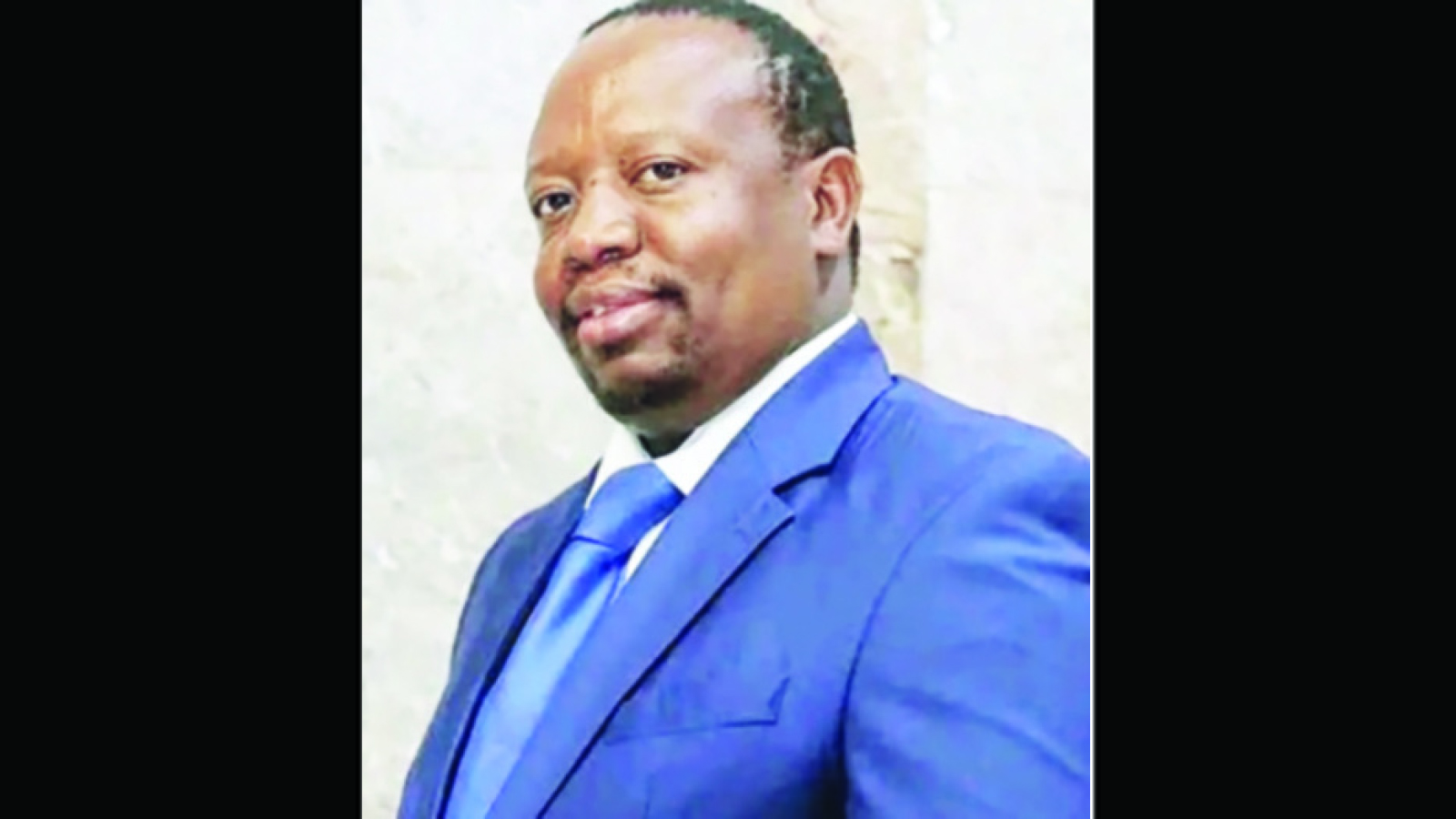
“It must be simple enough to be understood, at the same time powerful enough to inspire. It must be inclusive, not just in theory, but in practice. It must rise above political slogans and tribal loyalties. It must speak to the soul of a nation that has known hardship, resilience and hope.
But consensus is forged through dialogue, not dictated from podiums. We must create spaces where Government officials, opposition leaders, civil society activists, business moguls and ordinary citizens can sit together — not to shout over each other, but to listen, learn and lead together.
Is is not about uniformity of thought — it is about unity of purpose.
“As Nelson Mandela wisely said, “If you want to make peace with your enemy, you have to work with your enemy.
then he becomes your partner.’
“Zimbabwe’s future demands that we turn rivals into collaborators, critics into contributors and sceptics into stakeholders. To achieve this, our national platforms must evolve,” he said
“Parliament must be more than a debating chamber — it must be a planning engine. The media must go beyond headlines — it must become a bridge between policy and people. Town halls must be revived as forums of grassroots wisdom, where the voice of the villager carries as much weight as the voice of the minister.
“And, above all, we must embrace a culture of consultation and compromise. Vision 2030 cannot be derailed by political point-scoring or bureaucratic turf wars. The
stakes are too high, the future is too precious.
“We must learn to disagree constructively, to negotiate with humility and to prioritise progress over pride.
“For example, Rwanda’s post-genocide recovery was not built on perfect agreement — it was built on relentless dialogue, inclusive planning and a shared national mission. Today, Rwanda is a beacon of transformation,” said Dr Muzamhindo.
“Zimbabwe, with its rich history and abundant talent, can do the same if we choose consensus over conflict. So, let us see Vision 2030 not as a Government blueprint, but as a national covenant, a promise we make to each other and a dream we build together.
Because only when every Zimbabwean sees themselves in the vision will it truly come alive.
Zimbabwe National Chamber of Commerce chief executive Mr Christopher Mugaga, said: “To achieve Vision 2030, we need to work on a number of things. Firstly, everyone should understand what Vision 2030 means. When we talk of an upper-middle-income society by 2030, everyone should be aware of what an upper-middle-income economy looks like, from the top to the ordinary person who lives in a community.
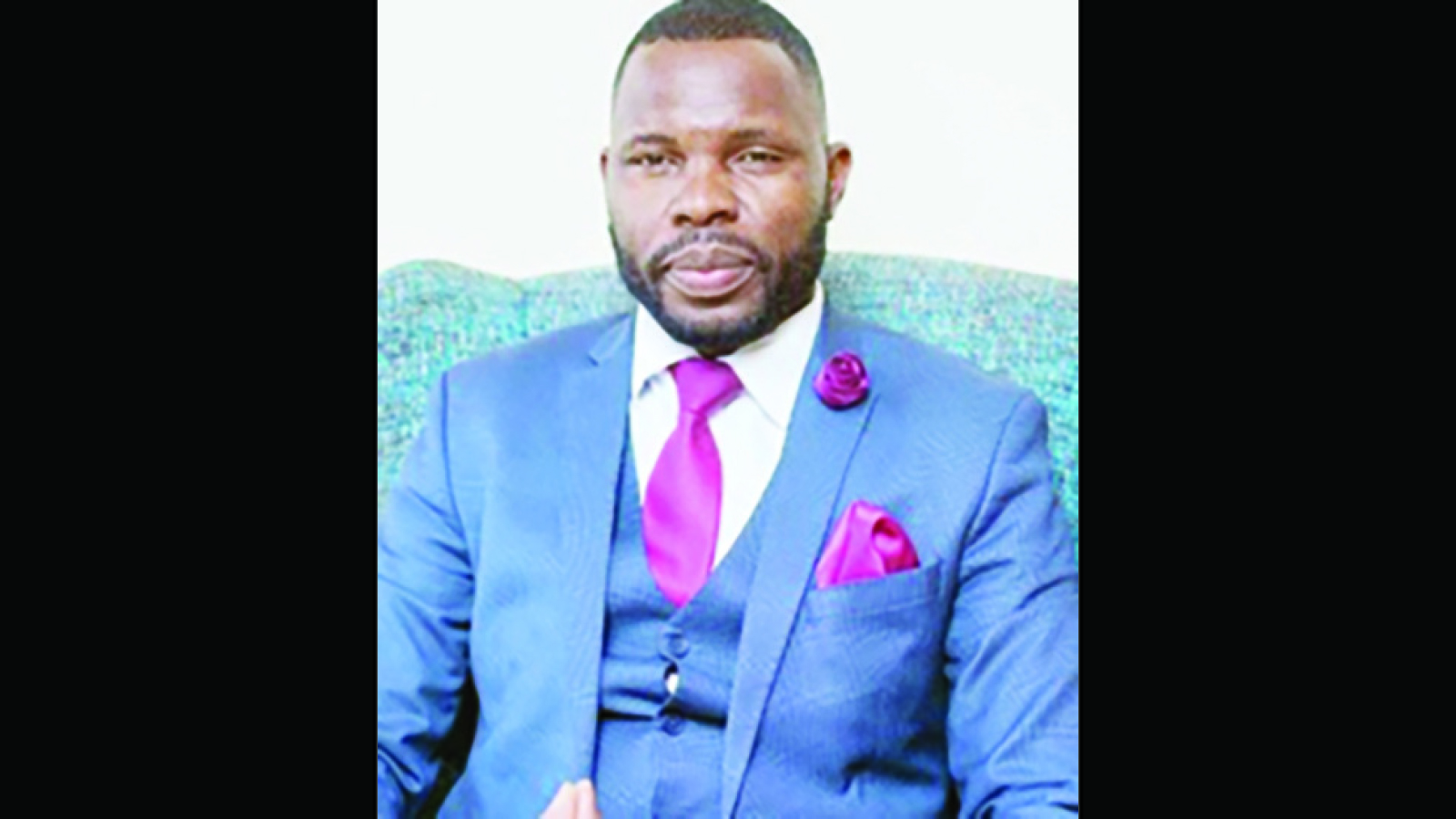
“Otherwise, it becomes a slogan. So, we need concerted effort, education, intense education to conscientise our people what it means when we talk of achieving an upper-middle-income society or economy. But some of the people might not support the Vision because they don’t understand what it means to be an upper-middle-income economy.
“They think it’s theoretical,they think it’s political, they think it’s sloganeering. So, it’s important to bring everyone on board to achieve that. Secondly, we also need to deal with corruption.
“Not many people are comfortable discussing this subject, but corruption robs usof resources which are meant for today and for tomorrow. And once we deal with corruption and create that environment where corruption is known to be attracting serious consequences, including death sentences. Yes, we have removed death sentences, but imprisonment for a lengthy period should be clear to those who are corrupt. And I think corruption is derailing Zimbabwe’s progress.
“We also need coordination of our policies. Because if you look at sometimes our policies, in particular the monetary and the fiscal policies, they seem to clash.
There’s no alignment of our policies. And this is a clarion call, both to the Minister of Finance and also the central bank, not forgetting other departments or ministries, that when policies are being formulated, the implementation can only happen if there’s alignment in the formulation of the policies in the first instance. And I think we’ve seen a game where sometimes the right hand doesn’t know what is happening to the left.
“I think the message then is, can the hands work together? Let’s stop having right hand and left hand, not knowing each other, (2:18) but belonging to the same person. Otherwise, we will not touch anything or achieve anything together. (2:24) Then another way to achieve Vision 2030, I think we also need to possibly create a dialogue.
(2:32) Actually, last time it created that, Polad (the Political Actors Dialogue). I strongly believe we need possibly a more comprehensive, inclusive platform, which will also be just like Polad.
“We need a very strong, robust, all inclusive, justified political dialogue, which will lead to a platform where leaders deliberate, even with their differences. I think I’ve seen President Mnangagwa quite very good in engaging everyone and anyone. I think you can see it across the board.
There are people whom we never thought they would belong to this Government, but they are in the Government. There are people who oppose the President. It is important to create an open platform for dialogue. When people differ, they differ.
But in differing, they know that Zimbabwe is the biggest beneficiary of our differences,” said Mr Mugaga.
Seasoned Zimpapers Agriculture journalist Edgar Vhera weighed in:
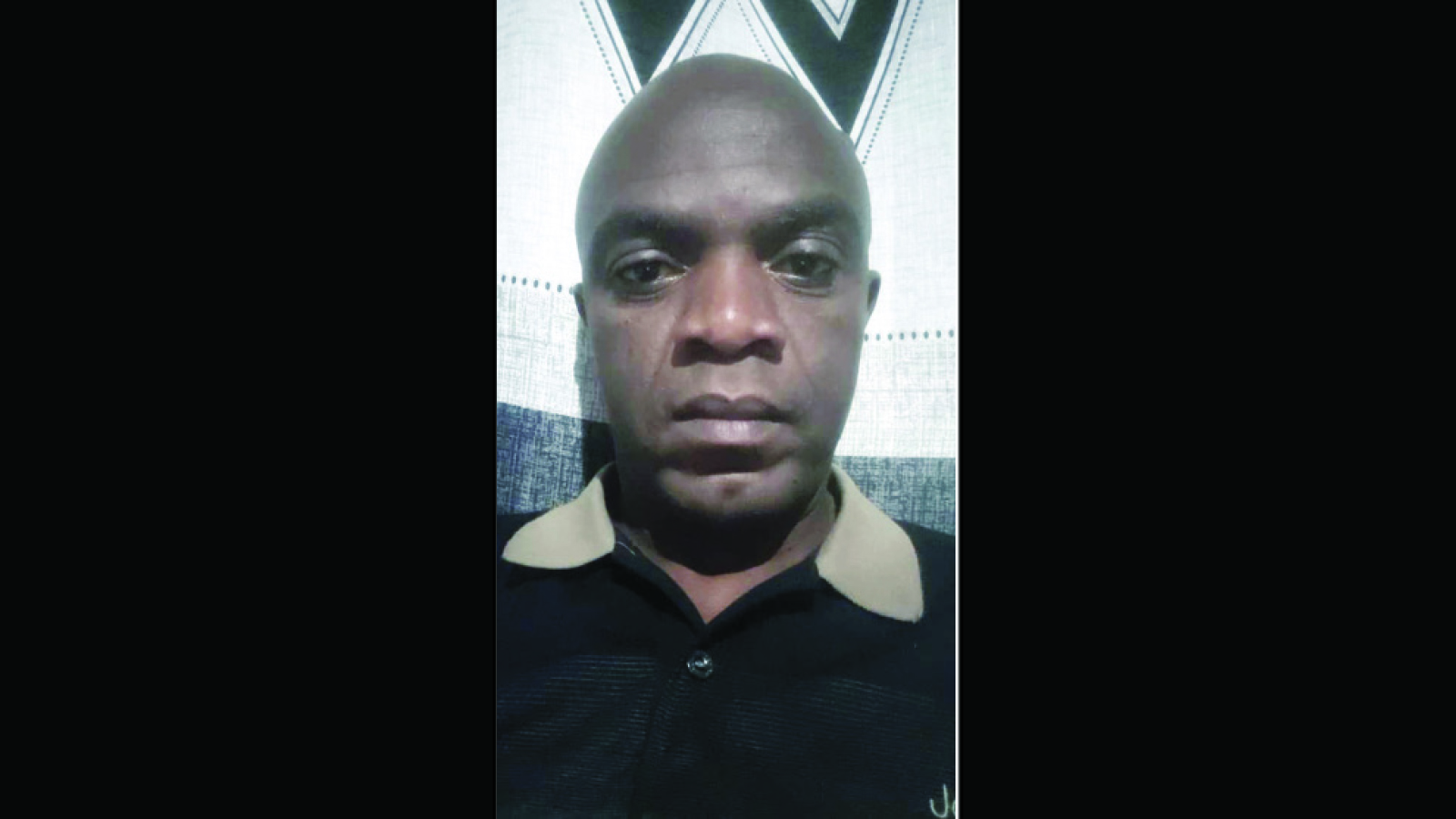
Government initiatives – capacitation of agriculture extension officer with tablets, motorcycles, vehicles and solar kits. Issuing 10 000 title deeds to A1 farmers, AFC to loan farmers US$6 000 for production booster kits to irrigate up to 3 hectares, AFC also to avail 20 year mortgage loan for the title deeds. Completion of high impact dams. Increase irrigation area from 220 000ha to 350 000ha to fight climate change.
“Motor cycles will improve mobility and allow extension officers to access areas previously deemed inaccessible due to the absence of motorised transport and good roads. Tablets will allow extension officers to make real-time responses to issues frustrating production. On the one hand, vehicles will also give extension agents more visibility making possible for them to readily extend services to farmers reinforcing the importance of ready access to knowledge to boost productivity. Solar kits will boost small-scale irrigation as they will enable farmers to draw water either from boreholes or other water bodies. This is the tonic for boosting the push to commercialise agriculture and make it a vibrant business. This consolidates the ‘ farming is a business’ mantra born out of the Second Republic ’s drive to empower rural communities through profitable farming. Title deeds will give farmers security of tenure and encourage serious production and investment on the farms by farmers, which is critical for transforming agriculture from subsistence to commercial. This will also help the country reclaim its ‘Bread basket of Africa’ status that had been compromised by years of consecutive droughts. The completion of high-impact dams will counter the hostile impact of climate change on agriculture thereby permitting all-year round production and revitalise all agricultural sub-sectors and their respective value chains