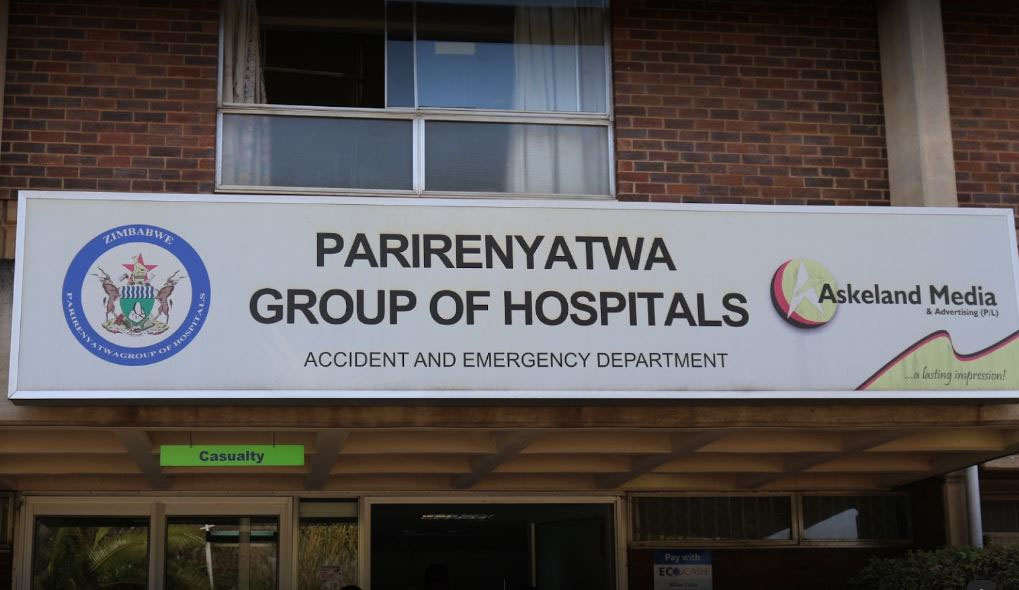
The recent public appeal by Parirenyatwa Group of Hospitals to identify two unknown patients is more than a routine hospital notice.
It is a poignant reminder of the vulnerabilities that exist within society and the complex realities that can leave a person lying in a hospital bed with no relative, friend, or acquaintance immediately available to speak on their behalf.
While many people take comfort in the belief that loved ones will always know where they are or what has happened to them, real life often paints a different picture.
Public hospitals across Zimbabwe and indeed around the world periodically find themselves caring for patients whose identities are unknown. Such cases raise important questions about social connections, personal circumstances, and the challenges faced by healthcare institutions when a patient arrives without any means of identification.
There are numerous reasons why an individual may end up in hospital without their family or friends being aware. Road traffic accidents are among the most common.
A person may be travelling alone, suffer serious injuries, and lose consciousness before they can contact anyone.
In many instances, bystanders rush victims to hospital with the sole aim of saving a life, leaving little time to establish who the person is or where they come from.
Mental health conditions can also contribute to such situations. Individuals experiencing episodes of confusion, memory loss, or disorientation may wander far from home and become unable to provide their personal details.
Medical conditions such as stroke, epilepsy, dementia, or severe infections can similarly impair a person’s ability to communicate. A patient who knows exactly who they are before falling ill may suddenly become incapable of telling medical staff their name or the whereabouts of their relatives.
Migration and urbanisation have added another dimension to the problem.
Many Zimbabweans live far from their families while pursuing employment or educational opportunities. Some reside in lodgings where neighbours know very little about them.
If an emergency strikes, there may be nobody nearby who possesses sufficient personal information to contact relatives.
In an increasingly mobile society, people can become isolated despite living in crowded urban centres.
Poverty and homelessness are also important factors. Some vulnerable individuals have weak family ties or no fixed place of residence.
Others may be estranged from relatives due to long-standing disputes, substance abuse problems, or social challenges.
When such individuals become ill or injured, tracing next of kin can become an enormous challenge.
Technology has made communication easier, but it has not eliminated these risks.
Mobile phones can be lost, stolen, damaged in accidents, or protected by passwords that prevent access to emergency contacts.
A person may therefore possess the tools for communication but still become unreachable when disaster strikes.
For hospitals, unidentified patients present both humanitarian and operational challenges. Healthcare professionals are ethically obligated to provide treatment regardless of a patient’s identity, social status, or ability to pay.
However, the absence of personal information can complicate medical decision-making. Doctors often require details about a patient’s medical history, allergies, medications, or previous health conditions. Such information can be crucial in determining the most effective treatment.