
By Zimpapers Arts and Entertainment Hub
The never-ending battle over music royalties continues, with veteran Zimbabwean musicians demanding answers over what they claim are unpaid radio and television airplay royalties.
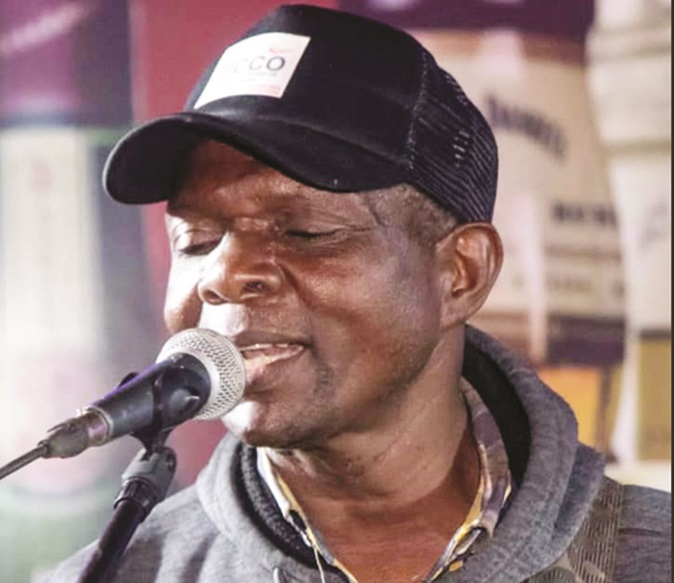
Music heavyweights Chase Skuza and Josphat Somanje have gone public with their frustrations, questioning why they continue to receive royalties from general collections distributed by the Zimbabwe Council of Copyrights (ZICCO), while money generated from radio and television airplay and collected by the Zimbabwe Music Rights Association (ZIMURA) is not finding its way into their pockets.
The musicians say they feel short-changed and are demanding greater transparency, accountability and respect for their right to choose who manages their creative earnings.
At the centre of the storm is the issue of collective management organisations (CMOs), which collect and distribute royalties on behalf of musicians.
Skuza, a veteran musician and ZICCO board member, says authorities should urgently investigate what happens to royalties collected by ZIMURA on behalf of musicians who have since left the organisation.
He also wants investigators to follow the money trail involving regional royalty collection partners such as the Southern African Music Rights Organisation (SAMRO), particularly where artists have switched allegiance to another CMO.
“I want the authorities to investigate what happens to the money collected by ZIMURA, both locally and through its regional partners such as SAMRO, especially in cases involving musicians like myself who have since left the organisation,” said Skuza.
“I have moved to ZICCO and I want ZICCO, as my CMO of choice, to collect and disburse my royalties.”
The outspoken musician insists creators should have the freedom to decide who administers the proceeds of their hard work.
Legendary sungura star Somanje also weighed into the controversy, expressing anger over what he sees as the continued collection of royalties by an organisation he no longer wants to manage his affairs.
In a striking comparison, Somanje likened the situation to authorities collecting salaries for ghost workers or people who have died or left employment.
He questioned why royalties should continue being collected under arrangements that no longer reflect the wishes of the artists concerned.
Somanje said musicians must have control over who handles their earnings and accused organisations of benefiting from creative works without the explicit endorsement of their creators.
“The fruits of my labour should not be enjoyed by people or institutions that I have not authorised to manage my royalties,” he said.
The explosive allegations have reignited a long-running debate within Zimbabwe’s music industry over artists’ rights, transparency in royalty administration and how collections should be handled when musicians move from one CMO to another.