


 Andrew
Debra Matabvu
ON Saturday, thousands of Zimbabweans will cast their votes in by-elections to elect 28 National Assembly representatives and 119 local authority councillors.
Zimbabwe has unfailingly held credible elections since Independence in 1980, and the forthcoming polls are expected to be no different.
However, despite the country’s celebrated record of holding democratic elections, some groups feel that a key demographic has historically been sidelined in this crucial process.
For years, women’s faces have been a rare feature on ballot papers, especially in local government elections.
In numbers
On Saturday, only 72 female candidates will be on the ballots out of the 364 candidates contesting for the 119 council seats.
In Harare Province, 18 female candidates will slug it out against 85 male contestants for the 31 vacant council seats, while in Bulawayo Province, 13 female candidates will compete against 28 male politicians for the eight vacant seats.
Manicaland Province has 12 female candidates who will go against 34 males all vying for 15 vacant seats.
Mashonaland Central has four females contesting against 12 male aspiring councillors for seven seats.
Three female politicians will be up against 26 male candidates in Mashonaland East Province, while Mashonaland West has 10 female and 35 male candidates all vying for 17 vacant seats.
Masvingo province has four female and 23 male aspiring councillors contesting for nine vacant seats.
Matabeleland North province has only one female candidate contesting against eight males for four vacant seats.
In Matabeleland South province, three female candidates are contesting against 14 male contenders for six vacant seats, while Midlands province has four female and 27 male candidates vying for 13 seats.
Participation of women in council polls has traditionally been low in Zimbabwe.
According to the Zimbabwe Electoral Commission’s post-2018 elections survey, women accounted for only 17 percent of the candidates participating in local government elections during the harmonised elections.
“In the harmonised elections held in July 2018 in Zimbabwe, there was only 15 percent of female candidates for the National of Assembly and 17 percent for the local authority election. Despite constitutional provisions that aim to promote gender equality, the number of women who contest and eventually win in elections remains low,” the survey reads in part.
In Harare, only seven women made it to Town House out of the 46 seats that were available.
Burden
Studies have shown that women overwhelmingly carry the burden of problems resulting from poor service delivery by councils.
Local authorities are the main providers of basic services such as potable water, liquid and solid waste management and primary health care.
Experts say the lower participation of women in local government leadership could be perpetuating poor service delivery.
In Harare, for example, close to a dozen council-run clinics have been shut down over the last year, condemning residents to the mercy of the pricey private health care providers. For close to two decades, the capital has been beset by potable water shortages, and as a result, residents, especially women, are forced to queue for hours to access clean water at community boreholes.
Gender Links, a regional civic organisation that promotes gender equality and justice, Country Manager, Ms Priscilla Maphosa, said women are overwhelmingly reliant on council services. “Councils are closest to the people because they provide basic services,” she said. Major consumers of council services such as health, water and sanitation are women.
“Therefore, having more women at local level leadership means we have people who understand the importance of these services and how women are affected.
“Their decisions will influence service delivery. For example, they can advocate for the times local authorities should cut water services.”
However, despite the glaring fact that women are at the receiving end of poor service delivery, they are nowhere near the reins of power and influence in local authorities.
Hurdles
According to the ZEC survey, patriarchy, religion, lack of financial resources, level of education and violence are some of the barriers impeding women from participating in politics.
The elections management body recommended the introduction of voter education as a learning area in the school curriculum to stimulate women’s participation in elections.
“The programmes should include convening meetings with the public informing them about women’s constitutional rights to participate in elections,” reads the report.
“They should work in collaboration with the Gender Commission to constantly meet with the community to explain the importance of women participation in politics. This might also help in clearing societal, religious stereotypes accompanied by women’s participation.”
Alderman Patricia Mwale, who has been a councillor in Victoria Falls since 2003, said patriarchy was a major barrier to women’s participation in politics.
“For a long time, we were made to believe that women belong in the kitchen and it was a taboo for women to voice their concerns about household issues.
“This cascaded to religion and politics,” she said.
Alderman Resta Dzvinyangoma, who sits in the Murewa Rural District Council, concurred.
She said: “Decisions in councils are passed through democratic resolutions.
“Therefore, if we have more males than females in council, clearly the males’ views will carry the day.”
Ald Dzvinyangoma said the number of women participating in local government politics has been on a downward spiral for years.
Quotas
Government last year amended the Constitution to set aside a quota of 30 percent of all council seats for women.
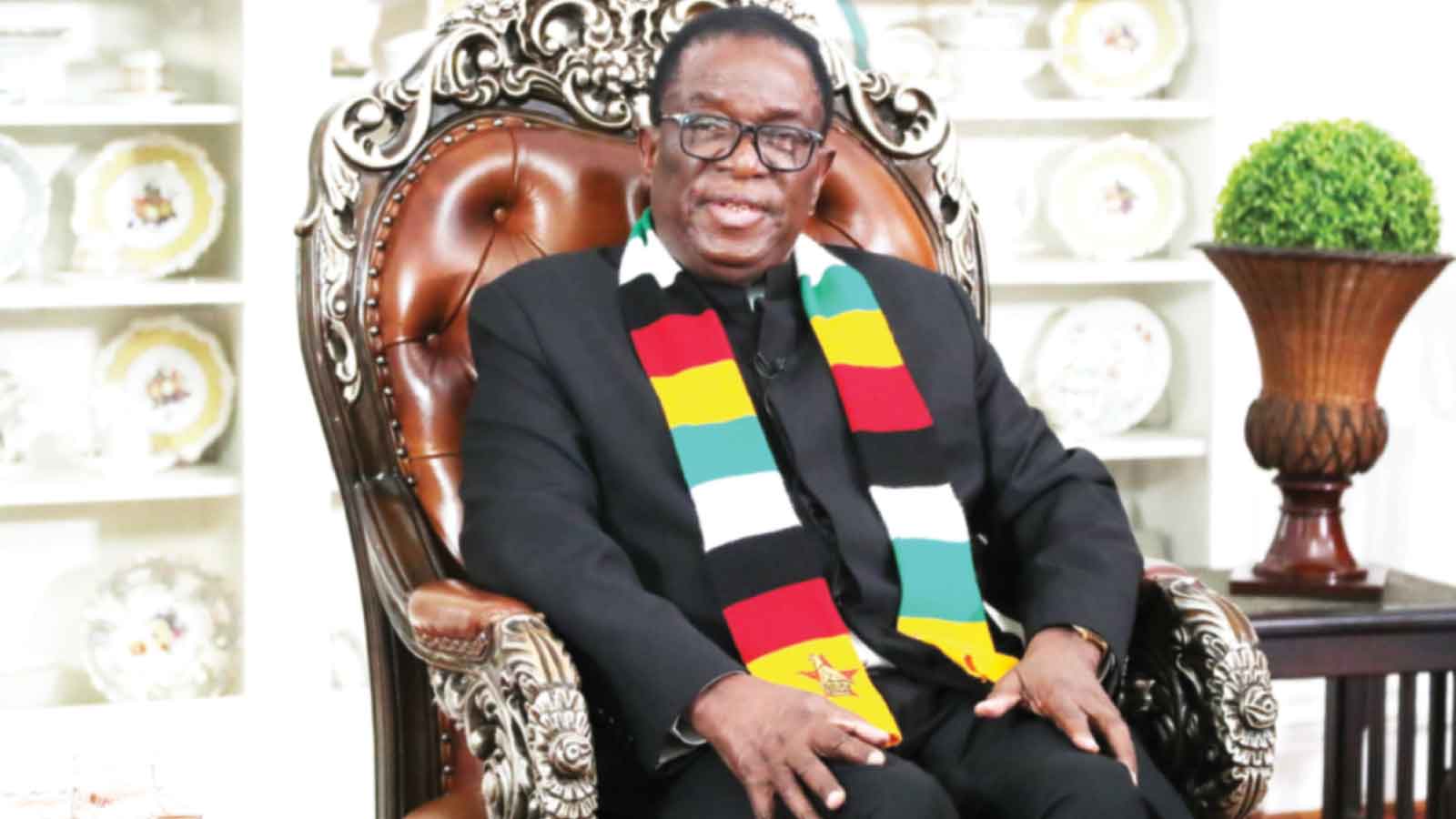
Ahead of introducing the quota system, President Mnangagwa said the first past the post system of election has led to fewer women in politics and the corridors of power.
Harare City Council corporate communications manager Mr Michael Chideme said the quota system will help create gender-responsive service delivery.
“Women bear the brunt of poor service delivery so if elected into council they can make decisions that promote the delivery of services, particularly in the Water, Sanitation and Hygiene (WASH) sector,” he said.
“Women are closer to the people and appreciate the challenges therefore we will have gender-friendly local authorities which will provide gender-responsive service delivery.”
Ald Dzvinyangoma believes the local government quota system will lead to balanced councils.
“This can help in providing a gender-responsive service delivery as women’s voices are taken into consideration.”
However, Ald Mwale said quotas alone cannot encourage women’s participation.
She said there is a need for increased women capacity building.
“Women need to be told that it is their right to participate in politics and to be in decision-making corridors,” she added.
“Churches, traditional leaders should also move in and mould women leaders.
“We need to increase the culture of having women leaders in our midst.
“Political parties need to also ensure that their structures have women leaders and ensure a balanced and level playing field for all.
“Women should also strive to improve their academic qualifications so that they are at par with their male counterparts in boardrooms.”


 Online Reporter