Online Reporter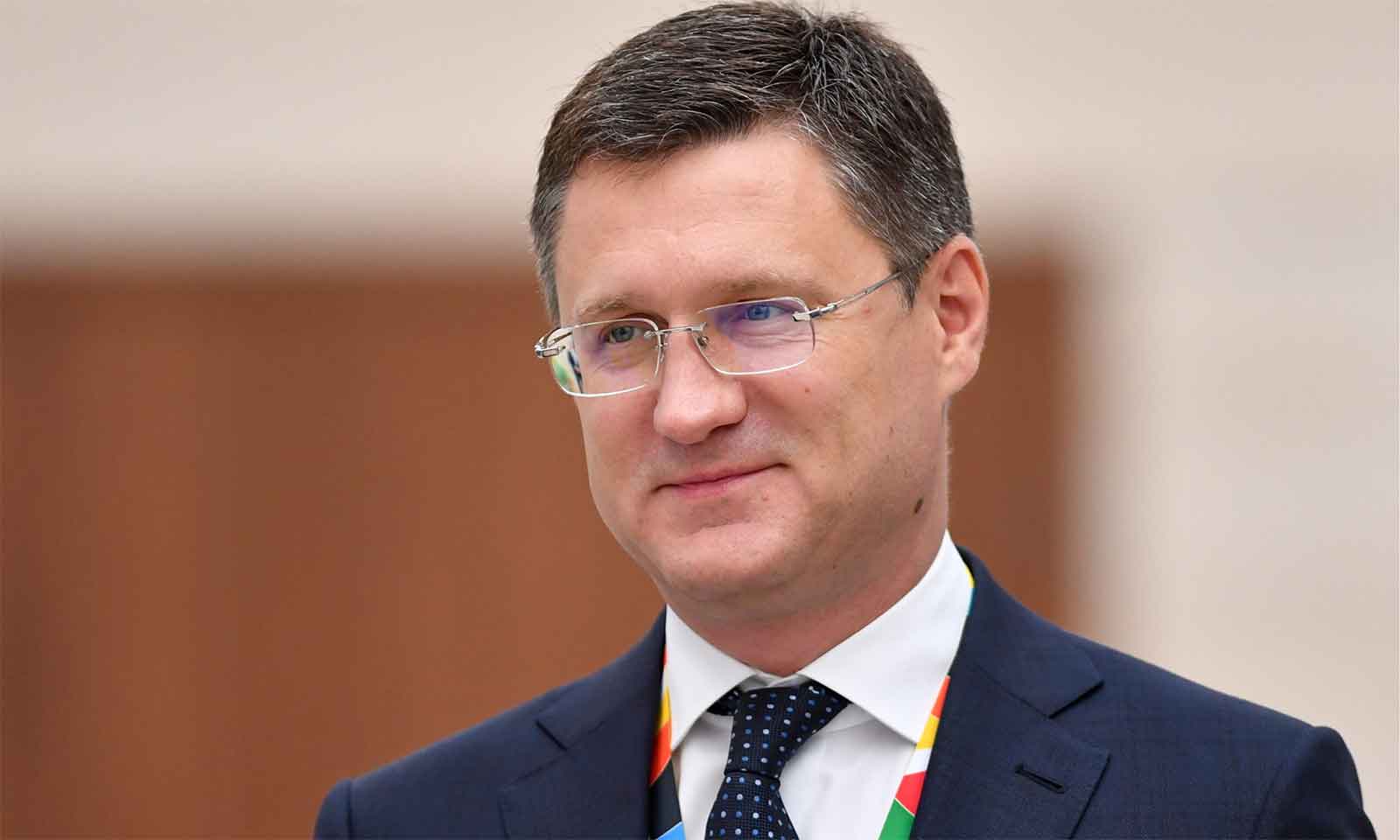
Herald Correspondent
On Friday, Russia’s central bank announced it is filing a lawsuit in a Moscow Arbitration Court against Belgian-based clearing house Euroclear, the custodian of around €185 billion (US$220 billion) in frozen Russian assets.
The announcement was made in a brief press release with no commentary. But the timing is no accident. The move comes as the EU’s contentious plan to tap the assets for a massive zero-interest loan to Ukraine is headed for some sort of denouement.
The move by the central bank – a mere legal step with no accompanying fanfare – is typical for Moscow, which tends not to front-run complicated policy endeavours over social media or through provocative public statements. Russian officials have so far also tended to hew to bland statements.
“We (the government), including the central bank, are doing everything to protect our assets,” said Deputy Prime Minister Aleksandr Novak. “Illegal confiscations are absolutely unacceptable.”
While Western observers – accustomed to the acrimonious and very public nature of policy implementation in their own countries – may be puzzled by Russian officials’ reluctance to spell out the potential implications, the signal is clear.
Russia has now moved to the realm of action with regard to protecting its interests. The threat of Russian retaliation has hung over the entire EU-led asset-theft episode like the Sword of Damocles, but now an opening salvo has been fired.
At face value, of course, a lawsuit against Euroclear in Moscow means little: the Russian central bank will almost certainly win the suit, and Euroclear will probably not even mount a defence in a Russian jurisdiction. Russia’s legal case is widely seen as strong even disregarding the home-field advantage.
For both Euroclear and the EU, the risk is clearly far greater – but more amorphous – than whatever amount they could be on the hook for in light of a potential Russian court ruling. If Russia’s legal case spills into other jurisdictions, messy and protracted litigation could be extremely damaging for the company, not to mention for the EU’s reputation globally and its investment climate.
Many advocates of the seizure plan rightly point out that Russia could hardly be expected to win a lawsuit in an EU jurisdiction. But the battleground is elsewhere.
If Russia is able to secure an injunction in a neutral country where Euroclear operates, it could create logistical difficulties and tremendous reputational risks for Europe.
Euroclear, by its own admission, still holds client assets amounting to around €16 billion in Russia. These funds are already frozen, but a worse fate could await them if Russia were to retaliate. Friday’s announcement of a lawsuit made no mention of those funds and whether further action could be taken with regard to them. But the announcement didn’t need to: the implication is clear.
Euroclear CEO Valerie Urbain has also made reference to those funds, admitting that she fears that Russia will move against them. She has generally been outspoken in her opposition to the loan scheme and even warned that her company could face bankruptcy if sanctions against Russia are lifted, but Europe has already allocated the money elsewhere. Of course, given Euroclear’s central role in the financial system, the EU would be forced to step in. – RT.com