admin
admin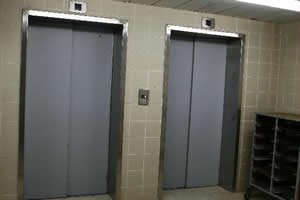
However, other countries conduct quarterly inspections of the elevators and impose heavy fines on owners who fail to maintain the elevators.
NSSA spokesperson Ms Agathar Kubvaruno said in a written response on Thursday that; “NSSA has no jurisdiction over owners of elevators that are not working. Zimbabwe has a total of 1 328 registered elevators and 170 of them were not working.”
Ms Kubvaruno, however, did not respond on who was supposed to enforce the maintenance of the elevators.
However, experts said the elevators should be serviced by the building owners with regular inspections by the authorities.
“Elevators are required to be serviced at all times to ensure the safety of the users. Servicing of the elevators is part of safety risk management, which is in line with world standards,” an expert from CB Richard Ellis who declined to be named said.
Another expert from Otis Elevators, said hoist ropes which handle the lift in case of an emergency, were also required to be replaced after every 10 years.
However, this was not being done in Zimbabwe.
“Many safety ropes have outlived their lifespan and these ropes are there to hoist the lift in an emergency. There is no one concerned with these issues and it’s a time bomb,” he said.
He said it was also important to service sensors on the elevators doors.
He said it cost between US$400 and US$1 200 per month to service an elevator. This has seen many property owners ignoring the machines.
According to the law that regulates the use of the elevators in Zimbabwe — the Factories and Works Act Chapter 14:08, as well as the regulations made under that
Act, including the Elevator and Escalator Regulations, R.G.N.No.278 of 1976 as amended — it is an offence to use an elevator without permission.
It is a condition of the permission to use an elevator that the user appoints a competent person or a company that employs such competent persons to carry out prescribed weekly and monthly inspections to ensure they are in safe working condition.
If during the inspection of an elevator plant, any signs of weakness or failure to operate efficiently or deviation from the norm are observed, the competent person and/or the user have to inform the factory inspector in writing and stop the use of the lift.
They also have to enter the details of the deviations in a record book kept for this purpose without delay.
The user should then execute the necessary repairs, with the approval of the factory inspector and in accordance with the regulations, before commissioning or reusing it.
Failure to adhere to stipulated safety regulations have in the past resulted in disasters.
In December 1999, when the CABS Millennium Towers building was being constructed in Harare, 15 construction workers, including a father and son, lost their lives when a hoist they were using malfunctioned and fell from the 15th floor.
There were no survivors.
In December 2010, at the PTC Pension Fund Building in Gweru, a member of the public fell into an elevator pit during maintenance work and died a few days later.
Sometime back a lawyer was killed after a lift without a censor crushed him at Hurudza House.
Some of the cases go unreported.



 Online Reporter