admin
admin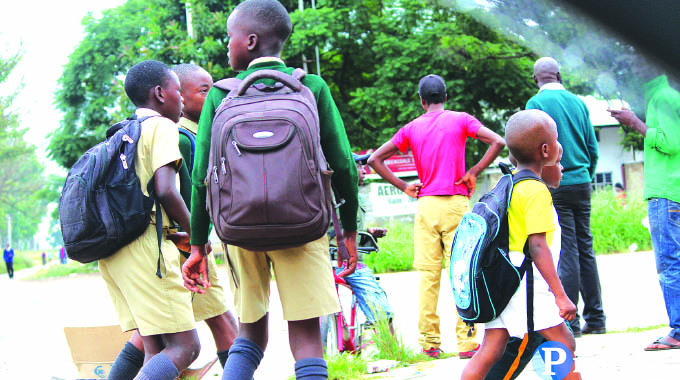
Rumbidzayi Zinyuke Senior Reporter
THE Government is seeking to address unmet needs of adolescents and younger children with undetected physical and mental health challenges, through strengthening of the National School Health Policy.
The policy was developed in 2018 in recognition of the inseparable relationship between education and health, and the fact that many ailments can be prevented through appropriate interventions at the earliest stages of human life.
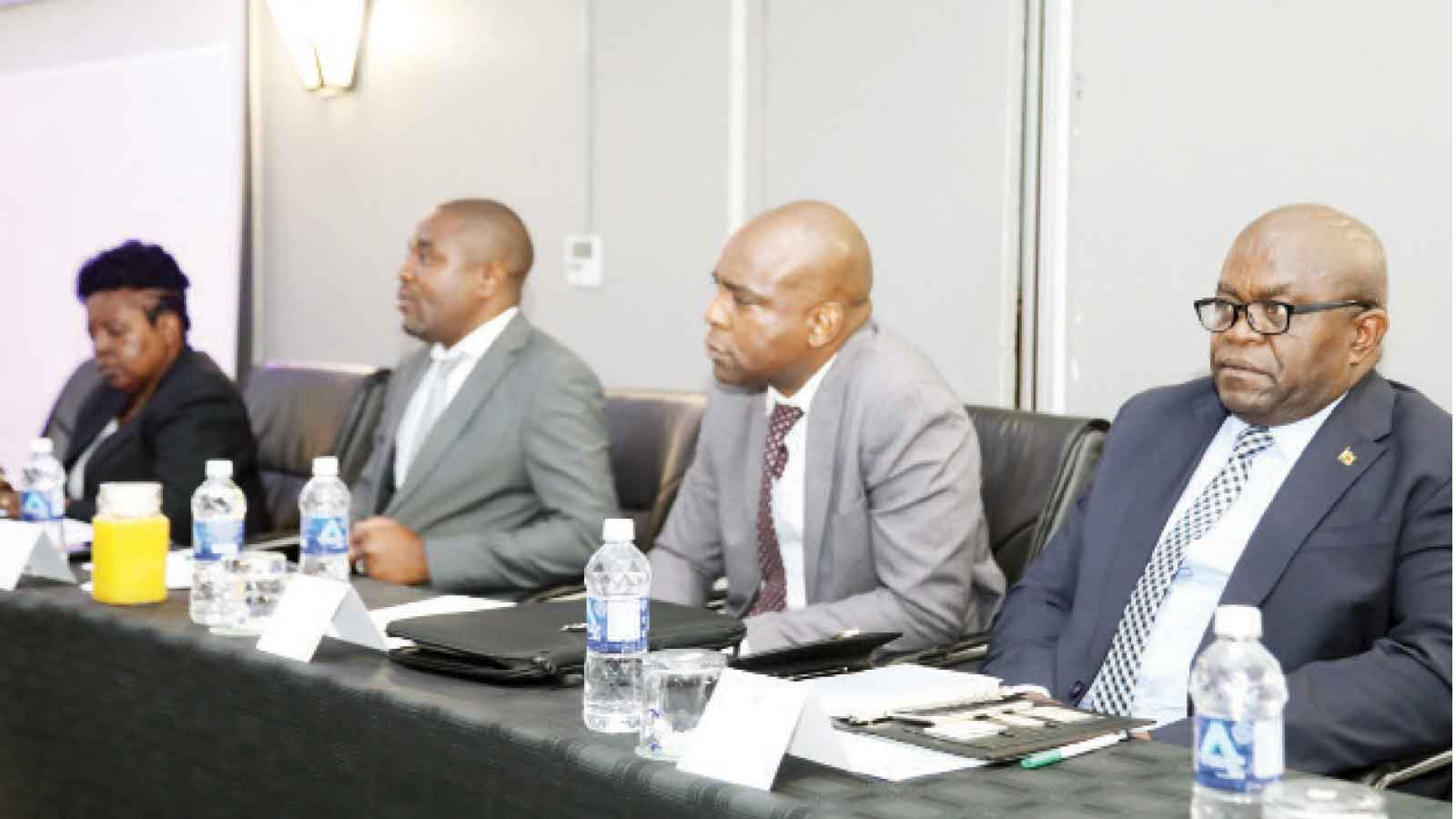
Speaking at the 2023 Zimbabwe adolescent health and well-being symposium recently, Ministry of Primary and Secondary Education chief director learner welfare, psychological services and special needs education Ms Kwadzanai Nyanungo said the Zimbabwe school health policy provided a comprehensive health package with eight components.
However, addressing mental health issues among adolescents was a gap which needed an all-stakeholder approach to address.
“There are gaps that need to be addressed as a collective including that our adolescents still have unmet needs in terms of support from their nuclear families, extended families and community structures. Schools cannot meet the demand alone.
“The second unmet need is that of adolescents and younger children with undetected and hidden physical and mental health needs. We have recorded young suicide cases and we have even recorded children killing each other.
“Some of it is about things that we could have dealt with if we had detected it earlier,” she said.
Poverty and limited choices for young people were also leading them to maladaptive coping strategies that included transactional sex and drug and substance abuse. The use of drugs and harmful substances has become a widespread challenge among the young people and is one of the leading causes of mental health issues.
While the gaps exist, Ms Nyanungo said the national school health policy was a live document which was recording successes. The policy was the main reason why the school response to the Covid-19 pandemic was successful.
“During the process of aligning the Education Act to the Constitution, sexual reproductive health services were added and the rights of the children and persons with disability to education were also incorporated into the act and the school feeding programme also strengthened,” she said.
The eight components of the policy include age appropriate sex education for all learners, school health services where immunisation and other services are provided, the provision of a safe school environment and creation of school health-community linkages where health promotion cadres from the Ministry of Health work with schools.
The Ministry of Education offers psychosocial support, through which guidance and counselling and other services and support for learners living with disability as well as health promotion for staff.


 Online Reporter