Peter Tanyanyiwa
Herald Correspondent
FOUNDED to advocate women’s access to clean and safe water, the Women4Water movement has become a leading voice in Zimbabwe’s water rights landscape.
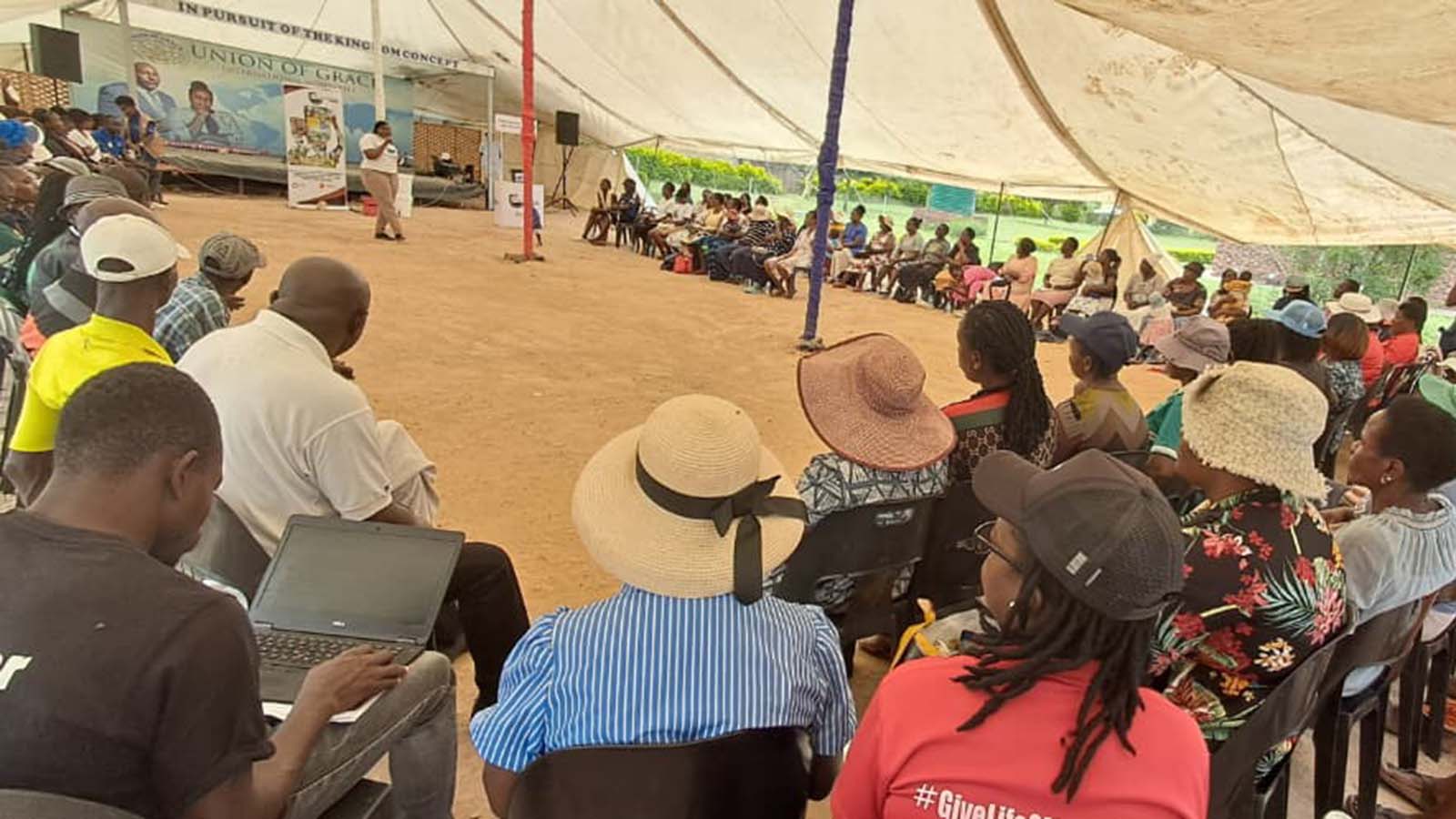
Sheryl Tendai Chigwedere, of the Women4Water movement, highlighted the disproportionate impact of water scarcity on women and girls.
“Today’s gathering is about more than just water—it’s about dignity, health, and the right of every woman and girl to live without fear of disease or indignity. We are here to ensure that the voices of Chitungwiza’s women are heard, and that solutions are found through dialogue and partnership,” she said.
Women4Water’s “Know Your Water Rights” initiative has been instrumental in raising awareness, mobilising resources, and fostering collaboration between local authorities and grassroots organisations .
Chitungwiza’s water woes are well-documented. Once a dormitory town for Harare, the city now faces severe shortages, with only a fraction of residents receiving municipal water. The city’s infrastructure, designed for a much smaller population, is overwhelmed by rapid urbanisation and decades of underinvestment .
“Chitungwiza’s population has more than tripled in the past decade, but our water and sewer systems have not kept pace. The result is a daily struggle for clean water, especially for women who bear the brunt of these shortages,” explained Mrs Nyaradzo Tagarira, Acting Director of Local Government Services and Administration at the Ministry of Local Government and Public Works.
She continued, “As government, we are committed to inclusivity and community engagement. We are supporting borehole drilling as a stopgap, but we must also invest in long-term solutions and empower households to treat water safely. Vision 2030 is our goal, and no one should be left behind.”
Stakeholders and Community Voices
The event drew participation from a broad spectrum of stakeholders, including the Ministry of Women Affairs, Community, Small and Medium Enterprises Development, the Women’s Coalition of Zimbabwe, Girls and Women Empowerment Network Trust, and Sprout Women Empowerment Trust . These organisations have been at the forefront of advocating for gender equality, community resilience, and sustainable development.
Ms Shebbah Machingauta, a resident of Zengeza 3, shared the daily realities faced by many:
“We are not receiving any water from the council, and even the community boreholes are overwhelmed. Women are suffering the most, but today’s event has given us hope. By voicing our challenges directly to leaders, we believe solutions are within reach. We look forward to more engagements and real change,” she said.
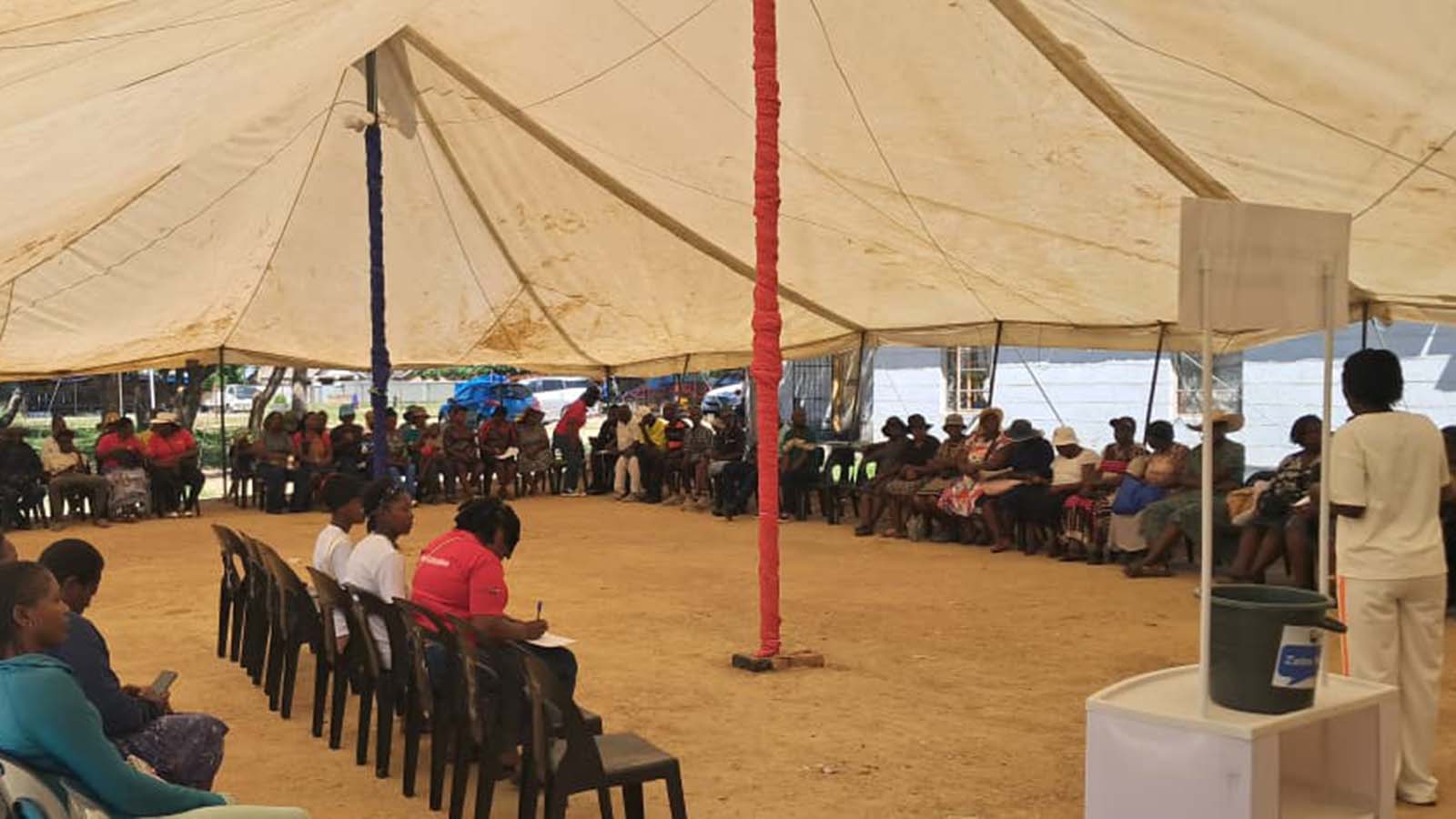
Community members welcomed the opportunity for dialogue on the proposed prepaid water meters, advocating for solutions that balance sustainability with affordability. They emphasised the need to prioritise access to clean, safe water for vulnerable households, while recognising the potential of such systems to promote responsible use and improve service delivery. There was a shared commitment to finding equitable, practical solutions that support both community well-being and national development goals.
Innovation and Household Solutions
Recognising the immediate need for safe water, the Community Water Alliance, led by National Coordinator Hardlife Mudzingwa, introduced the Sydney 905 water filter—a membrane filtration device designed for household use.
“We are piloting the Sydney 905 filter to ensure that even water from unsafe sources can be made safe at home. This is about empowering families to protect their health while we continue to push for systemic change,” said Mr Hardlife Mudzingwa.
The filter, approved by government standards, is being distributed alongside training on safe water storage and hygiene practices.
The Path Forward: Collaboration and Accountability
The dialogue underscored the importance of multi-stakeholder collaboration, transparency, and community-driven solutions. Key recommendations included:
– Continued investment in new water sources and infrastructure
– Regulation and monitoring of borehole drilling to protect groundwater
– Enhanced community education on water treatment and hygiene
– Strengthening the role of local authorities as accessible channels for residents’ concerns
The event demonstrated that sustainable solutions to Chitungwiza’s water crisis require both immediate action and long-term planning, with women’s voices and leadership at the centre.
The Chitungwiza community engagement event stands as a testament to the power of dialogue, partnership, and grassroots action in the face of adversity.
As Zimbabwe moves towards Vision 2030, the collective resolve shown in Zengeza 4 offers hope that every resident—especially women and girls—will one day enjoy their constitutional right to clean, safe water.