admin
admin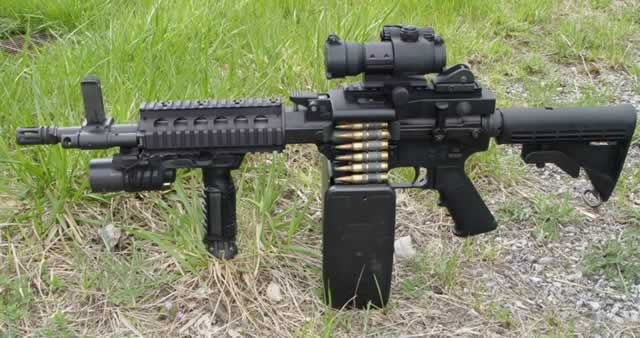
MAPUTO. — Mozambique scrambled to reassure angry donors and investors yesterday that a US$850 million state-backed bond issue earmarked to pay for tuna trawlers is not being used to buy military equipment.
Amid threats of a freeze in foreign aid, officials huddled with ambassadors from the so-called “G19” group of donors in Maputo to deny the government misled international investors about the reason for the loan.
The bonds were issued ostensibly to pay for a flotilla of 27 vessels in a deal facilitated by Credit Suisse and Russia’s VTB Bank.
The International Monetary Fund is among those now expressing concern that the money will in part be used to buy boats which can be equipped with artillery cannons, machine guns and even aerial drones.
Shortly after the bond sale Abu Dhabi-owned French shipyard CMN announced an agreement with Mozambique to build a flotilla of 30 boats including 24 trawlers.
The deal also includes three “trimaran” patrol vessels — futuristic-looking three-hulled craft — that can be equipped with 20mm or 30mm artillery cannon, heavy calibre machine guns and can launch unmanned drones.
CMN also said it would build three interceptors designed for anti-piracy, anti-terrorism or anti-trafficking missions. The fact the total CMN contact is worth about US$270, less than a third of the value of the bond issue has raised eyebrows.
More funds are slated to be spent on an operations centre, surveillance equipment, radars and training.
Guy Martin of specialist journal Defence Web told AFP any suggestions the vessels could not be used for combat were misleading.
“Technically speaking, they might be delivered without weapons and the manufacturer can legitimately say they are unarmed,” he said adding, “the private operators then might arm them.”
After Wednesday’s meeting, diplomatic sources told AFP it seemed likely that some donor cash would be withheld until questions about the deal had been cleaned up.
Donors’ funds make up about a third of Mozambique’s state budget.
Italian Ambassador Roberto Vellano, who currently chairs the G19 group, demanded that the government give “pertinent information in the spirit of transparency, to answer the concerns present in the donor and partner community.”
The controversy could also put fast-growing Mozambique in hot water with international investors, who hungrily snapped up the bond issue which offered vastly higher rates of return than those found in developed markets.
In a statement, the Zurich-based financial giant called contractors and the government “to formally confirm in public statements that there are no weapons or combat systems of any kind on any of the vessels being built under any financing provided by Credit Suisse”.
Concern over the use of the loan in part stemmed from comments made by Mozambique’s deputy foreign minister Henrique Banze in September.
“I was perceived as saying, ‘Yes we are buying lots of arms’,” Banze told AFP.
“What I meant is, of course, weapons will be needed to protect the coast,” he explained, adding that he had conflated this deal with one involving the military.
“The idea of weaponry is a completely separate dossier which is being dealt with by my colleagues at the defence ministry,” he said.
It is no secret that Mozambique’s roughly 2 800km coastline is poorly protected from the threat of piracy.
A lot of Mozambique’s naval equipment “is old and poorly maintained”, said Martin.
The state-owned company contracted to purchase the fleet insists they simply want to create a home-grown commercial fishing industry. — AFP.


 Online Reporter