Chronicle Editor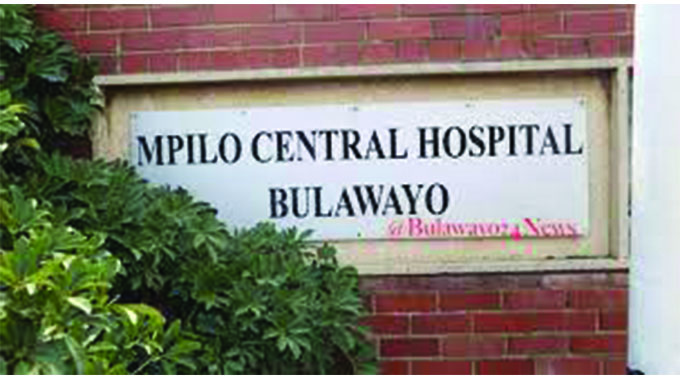
Robin Muchetu, Senior Reporter
MPILO Central Hospital continues to record reduced maternal, neonatal mortality and Sexually Transmitted Infections (STIs) in pregnant women after the introduction of the Results Based Financing (RBF) model by the Ministry of Health and Child Care and the World Bank that has assisted in ensuring health facilities offer adequate and timeous help to expectant mothers.
The RBF Health Sector Development Project Additional Financing programme is meant to increase coverage and quality of reproductive, material, newborn, child adolescent health and nutrition. Mr Phineas Sithole the principal nursing officer at Mpilo Central Hospital which is a beneficiary of the RBF programme said they have made great strides in improving health service delivery using the funds. The hospital delivers close to 700 babies on a monthly basis.
“All cases that need specialised care come to this institution. We are a participant in the RBF Health Financing programme and mainly most of its activities are carried out in the maternity unit. One of our challenges which we had in the maternity unit was resources constraints. A large number of our patients are referred patients who come here when they have complications. Ours is to then intervene in time, we always wish that within two hours of arrival of a patient we should have intervened. Prior to the advent of this programme in 2014, we would often ask relatives to chip in which was causing a lot of delays in what we intended to do,” he said.
He said the programme empowers them to identify their needs in terms of service provision to the pregnant women, plan and come up with purchase plan quarterly where they draw up the items they needed periodically.
“We have an RBF committee that looks into these issues. After we started RBF our maternal and neonatal mortality rate actually reduced. Now that we can procure our own resources and the numbers of people who raise complaints about delays related to resources has drastically gone down. Our time frame for intervening has improved,” said Mr Sithole.
When a pregnant mother comes to register she is also screened for HIV and given the appropriate intervention, adequate machinery and medication is also available for the mothers who require treatment for the infections.
Sister in Charge and Reproductive Health Focal person at Queen Loziba Thebe Maternity Hospital at Mpilo Simangele Mhlanga said they used to deliver close to 900 births each month following the introduction of the Urban Voucher System
“We now deliver close to 700 births, we used to clock about 900 before but since the introduction of the urban voucher system and the roping in of United Bulawayo Hospitals, some of the mothers now go there especially those from Nkulumane Clinics and it has reduced our workload,” she said.
The maternity hospital at Mpilo Hospital has a 260 bed capacity. The urban voucher system is a package that allows a pregnant woman to access free maternal health care from the time she registers the pregnancy, until she gives birth and has access to postnatal care visits too. Mr Sithole said RBF was also critical for staff development.
“We also give lectures and incentives for our staff so that they can be able to improve their communication skills, we are talking of the actual performing of procedures. We also have other support groups who come independently and move around talking to patients on how they feel. The majority expressed a lot of satisfaction. Our resource base has improved, we are talking about essential antibiotics, surgical sundries, abdominal swabs which were a real issue,” he said.
He added that the RBF programme also covers infrastructure.
“On infrastructure development we have gone a step ahead, we have improved on our plumbing, we had old drains which were constantly blocking, and items like sinks have been replaced to enhance hygiene. We have also replaced broken windows and general water system making the institution habitable. Our maternity unit is state of the art, we can have 16 women delivering at one go, we have 16 delivery rooms and two fully equipped theatres for operations to cater for two women at one go. An extra operating theatre is available at the children’s ward if the maternity ward is overwhelmed,” he added. @NyembeziMu



 Online Reporter