Chronicle Editor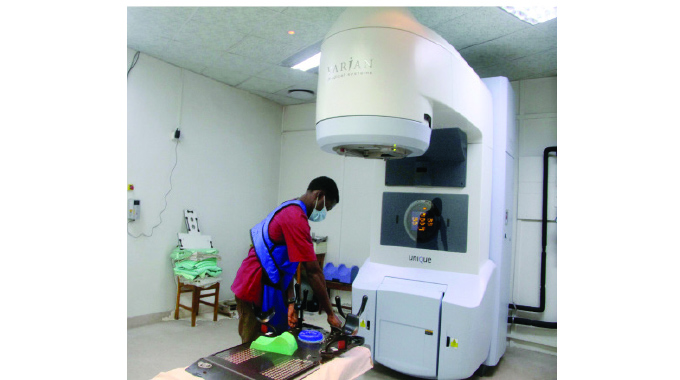
Thandeka Moyo-Ndlovu, Health Reporter
THE Mpilo Central Hospital radiotherapy machine has been fixed after more than seven months of malfunctioning that had left hundreds of cancer patients stranded.
Radiotherapy is the use of radioactive rays to kill cancer cells and or shrink the growth.
The effects of radiotherapy are localised and confined to the region being treated or targeted and making it impossible for the cells to continue growing and dividing.
Despite success in paying for the repair of the machine, only limited services will be offered as there are no expert physicists to operate the radiotherapy machine.
On August 15 last year the machine meant to service cancer patients from the southern region broke down forcing people to travel to Harare.
With lockdown conditions in place, others could not travel or afford to pay private hospitals for the lifesaving cancer treatment.
Delays in accessing radiotherapy often lead to cancer cells spreading in one’s body thereby lessening the patients’ chances of survival.
Recent statistics show that more than 60 percent of patients being attended to at Mpilo and other public health institutions in Zimbabwe have stage three and four cancers.
At this stage, the cancer would have advanced so much that it is virtually incurable.
Stage three and four cancers require palliative treatment which is only meant to treat symptoms or ease pain until the patient dies.
Zimbabwe is yet to conduct a localised research on cancer to establish its prevalence as the country relies on global estimates.
The Cancer Association of Zimbabwe is on record saying most of the cancer research that is used to guide national cancer response in Zimbabwe is based on foreign studies.
Cancer is slowly overtaking known killer diseases like diabetes and hypertension in Zimbabwe, the most common in women being cervical and breast while most men suffer from prostate cancer.
Causes range from air pollution, obesity genetic disorders, lack of physical activity, alcohol abuse, unhealthy diet without vegetable or fruit intake, sexually transmitted Human Papilloma Virus, ultra-Violet Radiation and the use of tobacco and cigarettes.
The World Health Organisation says cancer caused 9,6 million deaths in the world in 2018.
In an interview, Mpilo acting chief executive Professor Solwayo Ngwenya says the machine may be accessible soon as it must be tested first.
He said since it has been down for months, it must be checked before patients can start accessing the service again.
“Our radiotherapy machine has been fixed, thanks to the Government which paid South Africa-based engineers to come to the rescue. The whole process was delayed by the Covid-19 restrictions thereby affecting patients who under normal circumstances must have a continual access to the treatment,” said Prof Ngwenya.
“They have been around for the past two weeks and they fixed our machine which is ready to be tested before use as it hasn’t been running for a very long time.
“Unfortunately, we have a big problem with physicist because these machines can only be operated by qualified personnel.
“Two of our physicists have since resigned and went for greener pastures and we only have one who recently joined us.”
Prof Ngwenya said the shortage of physicists means the hospital will only offer limited services until more are deployed.
“We wish authorities could second physicists as this is now a big problem. We need at least three of them.
“We just have one who is new and needs training since he is not yet familiar with the machine,” he said.
Prof Ngwenya said: “Physicists are highly skilled and sought after even out of the country.
“We will contact patients on the waiting list who need the services once everything is set but our greatest challenge now remains staff shortages.” — @thamamoe


 Online Reporter