Online Reporter
Peter Matika, [email protected]
THE Government has intensified its efforts to upgrade and modernise Mpilo Central Hospital, alongside other provincial health facilities, as part of President Mnangagwa’s broader drive to transform the nation’s healthcare sector. This initiative aims to significantly improve access to and the quality of medical services available to ordinary Zimbabweans.
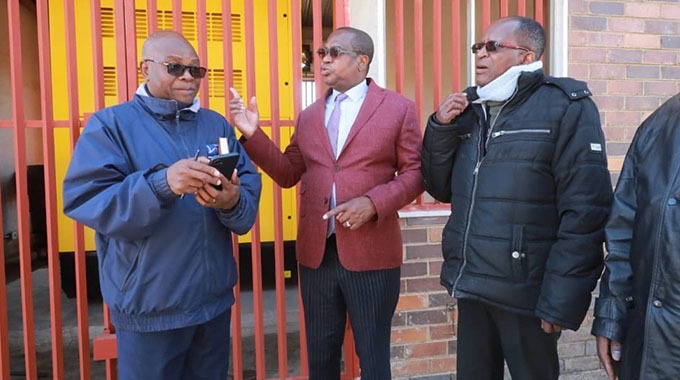
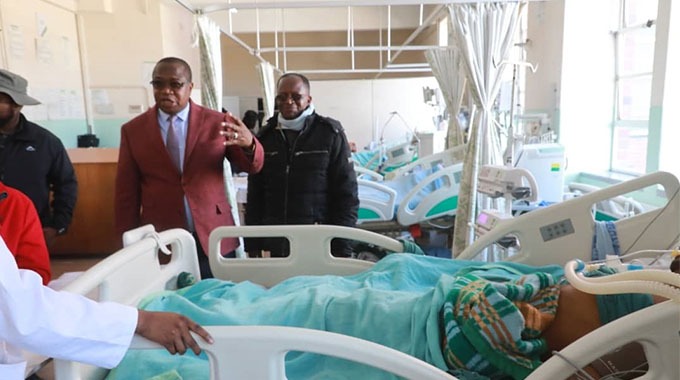
Finance, Economic Development and Investment Promotion Minister, Professor Mthuli Ncube, made the remarks in Bulawayo on Saturday during a tour of Mpilo Central Hospital. The visit was undertaken at the instruction of President Mnangagwa to evaluate and address operational challenges facing the province’s largest referral medical institution.
This follows the President’s recent tours of Parirenyatwa and Sally Mugabe public referral hospitals in Harare, which have since seen proactive upgrade works to address service delivery gaps.
Due to limited fiscal space and the long-standing impact of sanctions, the decline in service delivery within the health sector has been linked to premature loss of life and the migration of skilled medical personnel seeking better opportunities abroad.
Prior to the tour, Prof Ncube held a briefing with hospital authorities, who outlined the challenges affecting effective service delivery.
Mpilo Central Hospital Chief Medical Officer, Dr Narcisius Dzvanga, highlighted the urgent need for close to R1 million to procure a new Uninterrupted Power Supply (UPS) system. The UPS is essential for ensuring uninterrupted radiation sessions for cancer patients, as the radiotherapy machines are highly sensitive to power fluctuations.
Dr Dzvanga revealed that two of the hospital’s cancer treatment machines are currently non-functional, and the UPS system requires 24 batteries to operate effectively. Citing quotations from South Africa, he said the batteries cost just over R1 million.
Almost 50 percent of cancer patients visiting Mpilo require radiotherapy, but many are not receiving treatment due to the equipment breakdown. It was also revealed that the radiotherapy machines had been procured but left in storage for several years.
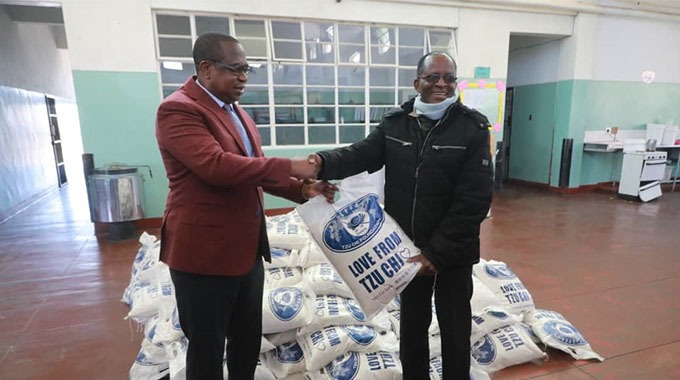
In response, Prof Ncube reaffirmed the Second Republic’s commitment to improving the health sector, stating that it remains a top priority.
“As ministers, we must go to the ground to listen to the issues, problems and challenges we need to address, and to assess the progress we are making in improving our health infrastructure.
“We are here today at Mpilo’s renal unit, which has brand new equipment — this shows the progress we are making. However, there is still a lot of work to be done. We need to connect the hospital to a solar power system, complete the TB laboratory, hand over the paediatric unit, build another mortuary, and finish work on the hospital chapel. There is work to do, and we will continue upgrading the hospital,” said Prof Ncube.
Prof Ncube said that upgrading the country’s medical sector requires serious attention, and the Government will be visiting more hospitals to assess the situation.
“I will also be touring other institutions such as Ingutsheni Central Hospital. There is a lot happening, and some of the work may not be immediately visible because it is spread across the country’s institutions. We cannot leave anyone or any place behind by focusing on one area alone,” he said.
In April, Vice-President Kembo Mohadi visited Mpilo and called on the Ministry of Finance, Economic Development and Investment Promotion to urgently address service gaps at the institution.
In June, President Emmerson Mnangagwa made unannounced visits to two major hospitals in Harare, calling for urgent restoration of the health sector.
“The President went on an unscheduled inspection of central hospitals in Harare to assess the real situation in these vital referral institutions. Using a private motorcade, the President cut through bureaucracy and gloss to reach the actual conditions on the ground. It was not a pleasant sight,” said Deputy Chief Cabinet Secretary George Charamba in a recent interview.
Mr Charamba said President Mnangagwa witnessed the deteriorating infrastructure at Parirenyatwa and Sally Mugabe Hospitals first-hand and listened to doctors’ concerns about shortages of drugs and equipment.
The President later visited Natpharm, which is responsible for procuring and distributing medicines to all Government hospitals.