Andile Tshuma-Bulawayo Bureau
PATIENTS at Mpilo Central Hospital are a step closer to accessing improved healthcare as modernisation works on four wards in Block C have surpassed 90 percent completion, paving the way for the installation of state-of-the-art furniture.
The upgrades are designed to enhance service delivery and improve working conditions for health professionals, in line with the Government’s Vision 2030 targets.
Implemented under the Presidential Hospital Renovation Programme, the project forms part of broader efforts to overhaul public health infrastructure at major referral institutions.
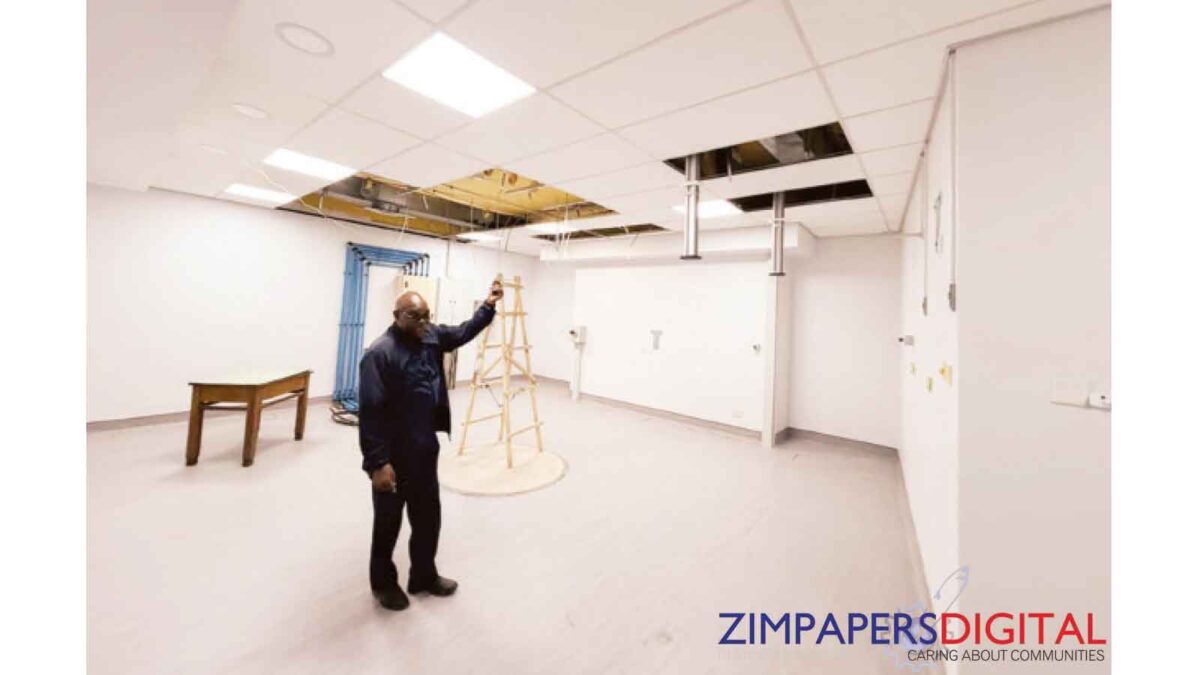
During a tour of the facility yesterday, Mpilo Acting Director of Operations Mr Phineas Sithole said major structural works were nearing the finish line.
“We’re now at an advanced stage of the renovations, with well over 90 percent of the work completed. The major structural and internal improvements, including the floors, ceilings, painting and electrical rewiring, have been done, and we’re now looking forward to receiving the hospital furniture,” Mr Sithole said.
“The consignment is expected between this week and the next and we’re ready to wheel in the furniture, set it up and prepare the wards for use.
“This is an important stage because we want the completed facilities to be properly equipped and ready to serve patients.”
The new wards will accommodate an average of 40 beds each and feature specialised partitioning to provide patients with greater privacy and dignity during consultations, treatment, and recovery.
Mr Sithole emphasised that the design improvements focused on the well-being of both patients and medical personnel.
“When patients come to hospital, they should be able to receive treatment in an environment that is clean, comfortable and allows them a reasonable level of privacy. The partitions in the wards will help us improve that experience, while the modern fittings will contribute to a better working environment for our staff,” he noted.
Mpilo chief executive, Professor Solwayo Ngwenya, stated that the renovations would transform healthcare delivery for the southern region, which relied heavily on the facility for specialised referral services.
“The modernisation of Mpilo is a major milestone for the people of this region. Our hospital serves patients from Bulawayo, Matabeleland North and South and many other areas, and improving our infrastructure means we’re creating a better environment in which to provide healthcare,” said Prof Ngwenya.
“The new furniture and fittings meet the required standards for modern public health facilities. We want patients to come here and receive treatment in an environment that respects their dignity, while our health professionals should have facilities that enable them to perform their duties effectively.”
Prof Ngwenya highlighted that the project was historically significant as the hospital had not undergone a major infrastructural overhaul since its construction.
“For a long time, our infrastructure has needed major attention. To see this scale of modernisation taking place during my time at the hospital is something I am very proud of. It is an important development not only for Mpilo as an institution, but also for the people who depend on us for healthcare,” he said.
He also extended his appreciation to the Presidium for prioritising the public health sector.
“We offer our sincere gratitude to President Mnangagwa, the Ministry of Health and Child Care and the whole of Government for this project. This really takes us major strides further towards the attainment of universal health coverage and equitable health access as outlined by the President, and in our National Development Strategy 2,” Prof Ngwenya expressed.
“Our patients should not have to travel unnecessarily long distances in search of quality services that can be provided at a properly equipped referral hospital.
“By improving our facilities and ensuring that they meet the required standards, we are strengthening our capacity to serve the people who come to us for treatment.”
The refurbishment at Mpilo coincided with intensified Government-led efforts under the Second Republic to systematically upgrade national public health facilities through infrastructural revamps, modern equipment procurement, and general service quality enhancements.