malvernmugadzikwa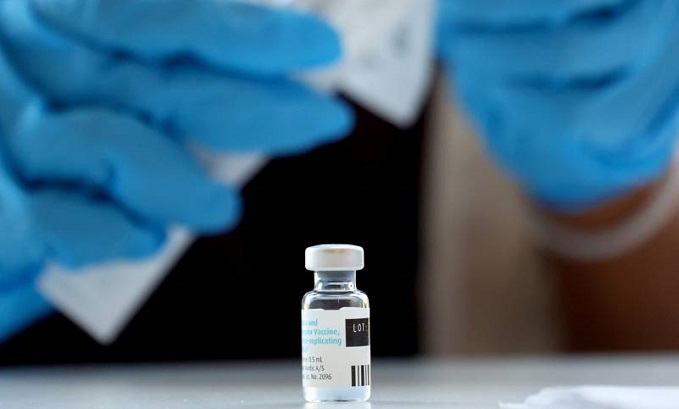
Professor Anna-Lise Williamson
The Africa Centres for Disease Control and Prevention and the World Health Organisation (WHO) have declared the latest outbreak of mpox in Africa a health emergency. An epidemic in the Democratic Republic of Congo has spread to neighbouring countries and more than 1 400 new mpox cases were detected in just one week. Vaccination is one of the key strategies to contain the disease.
******************
What vaccines are there against mpox?
THE monkeypox virus (MPXV), which causes the mpox disease, is related to the virus that causes smallpox.
Besides the viruses that cause smallpox and mpox, there are a number of others in the orthopoxviruses group that infect humans, including the cowpox virus, the camelpox virus and the vaccinia virus.
The smallpox vaccine can protect against both strains of MPXV: clades I and II.
Smallpox was eradicated worldwide in 1980 after an intensive global vaccination campaign. The last smallpox vaccinations in Africa were administered around 1980.
This means a younger, unvaccinated population is now susceptible to MPXV infection.
The old types of the smallpox vaccine were based on the vaccinia virus and they can have serious side effects and in rare cases can even be fatal.
Smallpox eradication meant there was no longer routine vaccination to prevent this disease.
However, the threat of the use of this virus as a biological weapon, or alternatively, an unforeseen outbreak of the disease, resulted in many countries stockpiling vaccines.
For example, the Strategic National Stockpile in the United States has enough quantities of the smallpox vaccine to vaccinate every person in America against smallpox.
What are next-generation vaccines?
There is now a move to next-generation vaccines that have a better safety profile.
These include a vaccine called Jynneos in the US and Imvanex in Europe that was widely used during the mpox outbreak in 2022.
But they also have drawbacks. Their protection might not last as long; they are not yet registered for children; they are expensive; and they are in short supply.
Another vaccine that has recently become available is LC16 T.
It is approved for use in children.
What are some of the obstacles preventing distribution of vaccines in Africa?
Cost: Bavarian Nordic, the manufacturer of the Jynneos vaccine, was selling its vaccine at US$110 a dose during the 2022 epidemic.
Low-income countries do not have the budget to procure these vaccines, so they are forced to wait for WHO approval.
Once this is done, the United Nations Children’s Fund (UNICEF) and the Global Vaccine Alliance will be able to procure the vaccines for use in poorer countries.
WHO director-general Tedros Adhanom Ghebreyesus triggered an “emergency use listing” process for mpox vaccines to expedite the availability of these drugs to people affected by this public health emergency.
Availability: The mpox vaccines are all in short supply as the US, Canada and Europe purchased vaccines to control the spread of mpox in their high-risk populations.
There have been outbreaks of mpox in Africa for many years, but it is only recently that efforts have been made to get vaccines for at-risk populations.
Africa Centres for Disease Control director-general Jean Kaseya has said Africa needs 10 million doses to stop the spread of MPXV.
It is unlikely that there will be vaccines for the entire population.
Surveillance needs to be strengthened to determine factors responsible for the spread of the virus.
This will enable the people at highest risk to be targeted with vaccine campaigns.
They should include prophylactic vaccination to stop the spread of MPXV and post-exposure vaccination for those most at risk. These include people with multiple sexual partners, healthcare workers and laboratory workers.
People in overcrowded healthcare facilities and in camps for displaced people should also be targeted.
A substantial number of children are being infected and dying of mpox.
There is an urgent need for mpox vaccines to be approved for use in children.
Anna-Lise Williamson is a professor of virology at the University of Cape Town.



 Online Reporter