admin
admin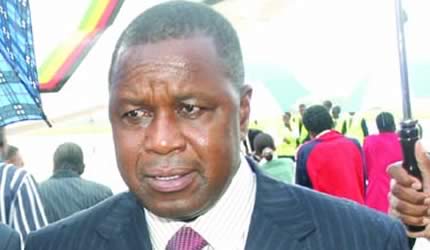
Farirai Machivenyika Senior Reporter
Legislators should interrogate all loan deals entered into between Government and lending institutions to ensure the country gets value for its money, Deputy Foreign Affairs Minister Christopher Mutsvangwa has said.
Cde Mutsvangwa said this in Harare last week at a Zim Asset awareness seminar for parliamentarians. This followed questions by MPs on why some Government projects with foreign lenders were taking long to be completed.
“Parliament needs to be critical of conditions attached to that money,” said Cde Mutsvangwa.
“I was in China as ambassador and I was the first one to generate these loans.
“For example, Farmers World got US$70 million and have nothing to show for it and it (the loan) has gone back to (Finance and Economic Development Minister Patrick) Chinamasa and he has to pay back.
“It is these things that you as parliamentarians should interrogate because it now burdens the budget.”
Farmers World, which is 55 percent owned by Zimbabwe Farmers Development Company and 45 percent by Government, got the loan in 2006 to buy farming equipment for resale. It, however, defaulted on repayments, resulting in Government — as the guarantor — taking over the debt.
Government paid US$27,1 million to clear the debt in 2013. Last month, commencement of the expansion of Kariba South Hydro Power Station was thrown into doubt after it emerged Government had not met its contractual obligation to provide part of the funding.
The project is expected to cost US$355,5 million with China Export and Import Bank providing US$320 million, and Government, through the Zimbabwe Power Company, supplementing the balance.
The US$206 million rehabilitation of the Plumtree-Bulawayo-Mutare Highway was also suspended early in 2014 after Zimbabwe defaulted on loan repayments to the Development Bank of South Africa, which is funding the project.
The matter has been resolved and rehabilitation work is expected to start after the rainy season.
Dualisation of the Joshua Nkomo Highway is also in limbo because of disagreements between the Harare City Council and its implementing partner, Augur Investments.
The project — valued at US$80 million — was supposed to be completed in 2010 after council agreed to pay Augur with vast swathes of land in the city.
The project has now been handed over to the Zimbabwe National Roads Administration for completion.


 Online Reporter