admin
admin(PPPs) policy.
PPPs have become critical internationally in public project development, more so in Zimbabwe where a constrained fiscus is limiting public expenditure on important infrastructure projects.
PPP involves a contract between a public-sector authority and a private party, in which the private party provides a public service or project and assumes substantial financial, technical and operational risk in the project.
The MTP document, however, goes no further than what the Government is currently doing, and is critically lacking on the issue of timelines for the implementation of an over- arching PPP framework.
“To facilitate effective implementation of the PPP objectives, the Government will review and update the legislative framework, develop the institutional framework and produce a detailed manual on how to initiate, implement and manage PPP projects. Finally, the MTP envisages the setting up of a PPP Unit for national co-ordination of PPP projects within the defined national projects,” reads the document.
Although these MTP targets in respect of PPPs are also outlined in the preceding macroeconomic plan – the Short Term Economic Recovery Plan II – there has been limited achievement towards the goals of implementing a specific PPP national policy and legislative framework.
Observers have called for the speedy implementation of PPP national policy and legislative piece that will give guidance, for instance, to the issue of State guarantees on such projects.
State guarantees such as those offered by infrastructure bank are important especially instances where potential funders perceive that there is a risk that a Government might default on its obligations under a PPP contract.
The establishment of a PPP policy framework is, however, dependent on the initial establishment of a PPP Unit within the Government, a task that presently falls under the auspices of the Office of the Deputy Prime Minister.
According to the African Development Bank, Zimbabwe has infrastructure funding requirements of an estimated US$14 billion over the next 10 years.
The MTP has indicated that in the medium term, the Government will give priority to PPP projects in ICTs, local government, mining, health, water, transport, tourism and natural resources, energy and power development, agriculture, social amenities and education.
It is, however, important to realise that the majority of these projects require extensive capital that the Government does not have at present, which calls for an effective PPP policy framework.
“A number of key infrastructure projects are failing to take shape because of the lack of a comprehensive PPP policy framework. Infrastructure projects normally operate under such a framework insofar as it guarantees the potential investor long-term security.
“This is critical because projects such as the construction of major roads, airport infrastructure or railways, as cases in point, may take as long as 30 years and long-term investors require long-term security on their investments,” said one observer.


Online Reporter
- Herald
- September 8, 2026
- 50 views
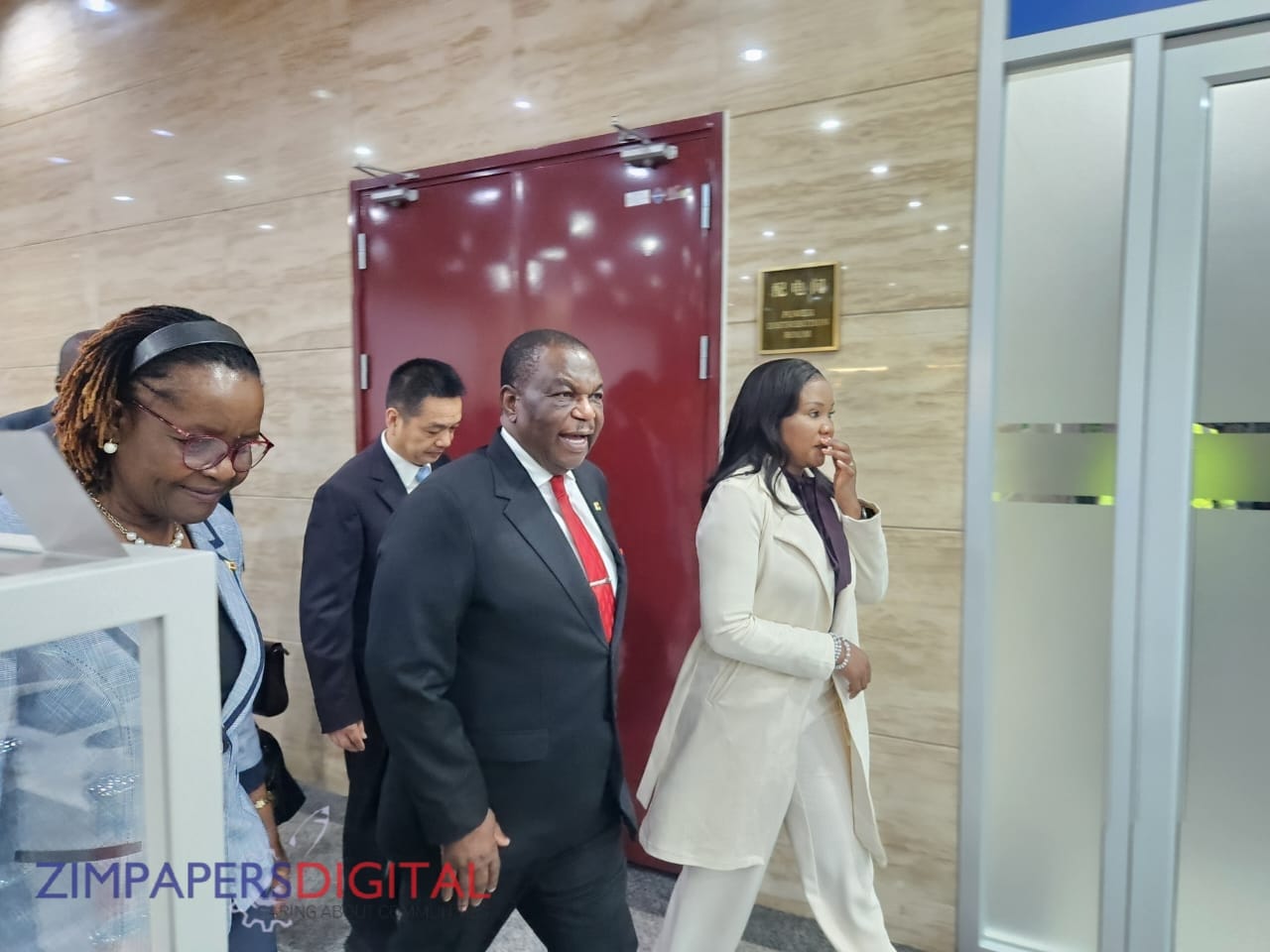
China answers all our questions: VP Chiwenga
Mukudzei Chingwere in Beijing, China China’s booming global investment potential and its cutting-edge industrial knowledge are the perfect answer to Zimbabwe’s resource-endowed industrialisation drive, Vice President Dr Constantino Chiwenga…