admin
admin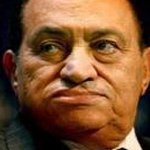
CAIRO. — Egypt’s toppled leader Hosni Mubarak was transferred from prison to house arrest at a military hospital yesterday, in a move overshadowed by a blistering crackdown against his Islamist successors. The former strongman, forced to quit in early 2011, was flown by medical helicopter to a military hospital, where he will remain under house arrest as he stands trial on corruption and murder charges.
His ouster in 2011 was a pivotal moment in regional democratic upheavals that in Egypt led to an Islamist government, which lasted a year before a popularly backed military coup last month.
In other circumstances, the 85-year-old’s removal from prison might have caused shockwaves in the country.
But with Egypt mired in a deadly conflict between the military-installed government and Islamists, Mubarak’s transfer took place amid little fanfare or protest.
He was ordered released after his lawyer argued Mubarak’s stay in prison had exceeded the maximum pre-verdict detention, and Mubarak made financial amends for one of his charges.
He still faces trial for corruption and his role in the deaths of protesters during the uprising that toppled him, with his next hearing on Sunday.
Prime minister Hazem al-Beblawi, empowered with the authority to order arrests under the current state of emergency, ordered Mubarak to be placed under house arrest after release from jail.
Mubarak chose to be held at the military hospital, the official MENA news agency reported.
The decision to grant Mubarak pre-trial release added a volatile new element to the political turmoil that has gripped Egypt since the army ousted Islamist president Mohamed Morsi on July 3 following massive protests against him.
More than 1 000 people have been killed in the past week in violence following the forcible break-up of two pro-Morsi camps in the capital.
Authorities have arrested dozens of members of Morsi’s Muslim Brotherhood, including its supreme guide Mohamed Badie — the first time the group’s chief has been arrested since 1981.
Morsi himself is being held at a secret location and faces charges related to his 2011 escape from prison and inciting the death and torture of protesters.
The juxtaposition between the fates of the two ousted presidents, Mubarak and Morsi, is notable, analysts Hisham Kassem said.
Mubarak “committed numerous crimes . . . against the country, but managed to hide the evidence, particularly as all the state’s institutions were working for him at the time he was overthrown.”
“The opposite is true for Morsi, who was thrown in prison while all the state’s apparatus were against him.”
Overnight, arrests of Brotherhood leaders continued with authorities detaining Ahmed Aref, a spokesman for the group, in Cairo.
Despite the pressure, a Brotherhood-led coalition has defiantly called for mass rallies today, in a test of its remaining strength as members are arrested.
Egypt has experienced unprecedented political blood-letting since August 14, when security forces stormed two pro-Morsi protest camps in the capital.
The crackdown and resulting violence across the country killed nearly 600 people in a single day, the bloodiest in Egypt’s recent history. — AFP.


 Online Reporter