

 Online Reporter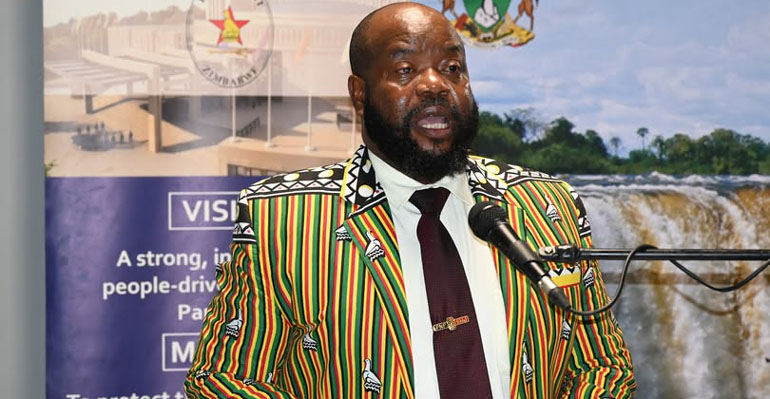
Tendai Gukutikwa
Mutare Bureau
The Muchena headmanship under Chief Mutasa has been officially revived following the installation of Mr Itai Muchena as Headman Muchena, ending more than 70 years without recognised traditional leadership in the area.
Speaking during the ceremony held at St George Muchena Primary School in Mutasa, Manicaland Provincial Affairs and Devolution Minister Advocate Misheck Mugadza, said the restoration of the headmanship was part of Government efforts under the Second Republic to restore traditional leadership structures that were abolished during colonial rule.
“This is the resuscitation of a headmanship that was abolished in 1952. The Second Republic under President Emmerson Mnangagwa is committed to correcting historical imbalances created during colonial rule, where some traditional leadership structures were weakened or abolished,” said Minister Mugadza.
He said that colonial authorities deliberately undermined traditional leaders to weaken African governance systems and community structures.
“The settler regime sought to destroy the authority of traditional leaders because they understood the important role chiefs and headmen played within communities,” he said.
“Today, the government is restoring dignity to traditional leaders because they are custodians of our culture, traditions and heritage.”
Minister Mugadza added that the Government recognised the role played by traditional leaders in maintaining peace, resolving disputes and spearheading development initiatives in communities.
“Traditional leaders are important in community mobilisation and national development. They work closely with the government in ensuring peace, unity and development at the grassroots level,” he said.
He urged the Muchena community to support the newly installed headman and work together for the development of the area.
“We expect the community to rally behind Headman Muchena so that development programmes can be successfully implemented,” said Minister Mugadza.
He noted that the installation ceremony demonstrated how the restoration of traditional leadership structures remains important in strengthening governance systems at the community level.
Speaking at the same event, Chief Mutasa said the revival of the headmanship would help restore order and strengthen leadership structures within the Muchena community.
“This is an important development for the Muchena people because this headmanship had been absent for many years,” said Chief Mutasa.
“We are pleased that the government has facilitated the restoration of this traditional leadership position.”
He urged villagers to cooperate with the newly installed headman and uphold peace within the community.
“I urge the Muchena people to stand united as they support their headman. There should be peace, unity and cooperation within the community,” he said.
Chief Mutasa also challenged Headman Muchena to execute his duties in line with the law and the expectations of traditional leadership.
“I urge the newly installed headman to be a leader who is governed by the Traditional Leaders Act. You must lead your people fairly, preserve cultural values, and ensure disputes are handled properly within the community,” said Chief Mutasa.
In his acceptance speech, Headman Muchena thanked the government and traditional leaders for restoring the headmanship.
“I am grateful for the confidence shown in me by both the Government and my community. This restoration is important for the Muchena people because it restores our identity and leadership structure,” he said.
Headman Muchena pledged to work towards promoting peace, unity and development in the area.
“My priority is to work with the community in promoting development and ensuring that disputes are resolved peacefully. We also want to preserve our cultural values and traditions for future generations,” he said.
He added that he would work closely with Government departments and community members to address local challenges affecting villagers.
The headmanship had been abolished in 1952 during the colonial era, leaving the Muchena area without recognised traditional leadership for seven decades.


