Online Reporter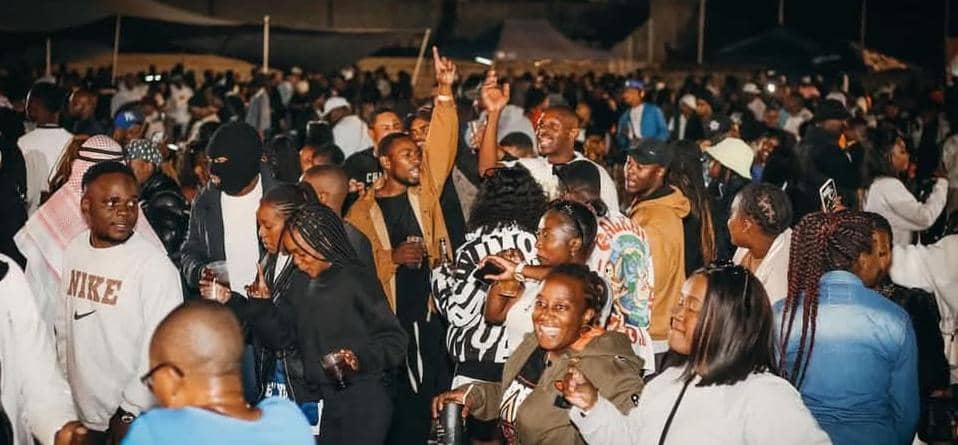
Mbulelo Mpofu, Zimpapers Arts and Entertainment Hub
The City of Bulawayo has once again come under fire for what many in the creative sector view as a systematic clampdown on arts and cultural events, following the premature shutdown of the Munch & Sip Food and Drink Festival on April 20.
The festival, which has grown into a marquee event celebrating Zimbabwe’s food, music, and artistic talent, was apparently abruptly halted by municipal authorities citing by-laws and permit violations. Organisers Lemongroove Brands say they had made every effort to comply with council regulations and are accusing the city of deliberately frustrating efforts to grow the cultural economy.
In a statement issued after the incident, the organisers expressed dismay over what they called a lack of support from city authorities.
“It is disheartening that at a time when the arts, food, and events industries are striving to build sustainable livelihoods and grow Zimbabwe’s cultural economy, such obstacles continue to present themselves in ways that feel discouraging and misaligned with the spirit of progress.”
While thanking patrons and participants for their support, the statement pulled no punches in condemning the city’s actions, describing them as a setback to Bulawayo’s creative momentum.
The shutdown of Munch & Sip adds to a growing list of incidents that signal a widening rift between the city council and the arts community. Just weeks prior, the City of Bulawayo prohibited musical events at Queens Sports Club, citing a 1960 lease agreement that limits the venue’s use to amateur sports. That decision forced the organisers of the Bulawayo Shutdown concert, scheduled for April 26, to relocate.
In a notice to the leaseholders of Queens Sports Club on April 11, the office of the Town Clerk said: “The City of Bulawayo has advised the Queens Sports Club leaseholders that no live shows are permitted on the lease premises unless authorised by the Council upon application… The holding of shows is in violation of Clause 6 of the 1960 Notarial Agreement.”
Clause 6 restricts use of the grounds to amateur sports and associated social activities, giving the city discretion to approve or deny exceptions.
But arts organisers say these regulations are being used arbitrarily, and that the council has failed to adapt to the realities of a modern, creative economy. Many have voiced concern that Bulawayo is losing its appeal as a hub for artistic expression, and some vendors and artistes have started to question whether the city is still a viable platform for cultural enterprise.
“This isn’t just about permits and paperwork,” said one vendor who asked not to be named. “It’s about a pattern. Events are being shut down, venues are being restricted, and artistes are being left out in the cold.”
The financial impact has also been significant. Vendors at Munch & Sip reported losses in the thousands, with some having imported stock, hired staff, or travelled from other cities to take part.
Despite the setbacks, Lemongroove Brands says it will continue advocating for better engagement between the arts community and city authorities.
“We are not deterred,” the organisers said.
“We will be engaging stakeholders, both public and private, to advocate for frameworks that support, not hinder, platforms like Munch & Sip.”
As frustration builds, many are now calling for a clear cultural policy that outlines the city’s role in promoting, rather than policing the arts. Without such a shift, critics warn, Bulawayo risks alienating the very creatives who have long championed its reputation as Zimbabwe’s cultural heartland. – Follow on X @MbuleloMpofu