Online Reporter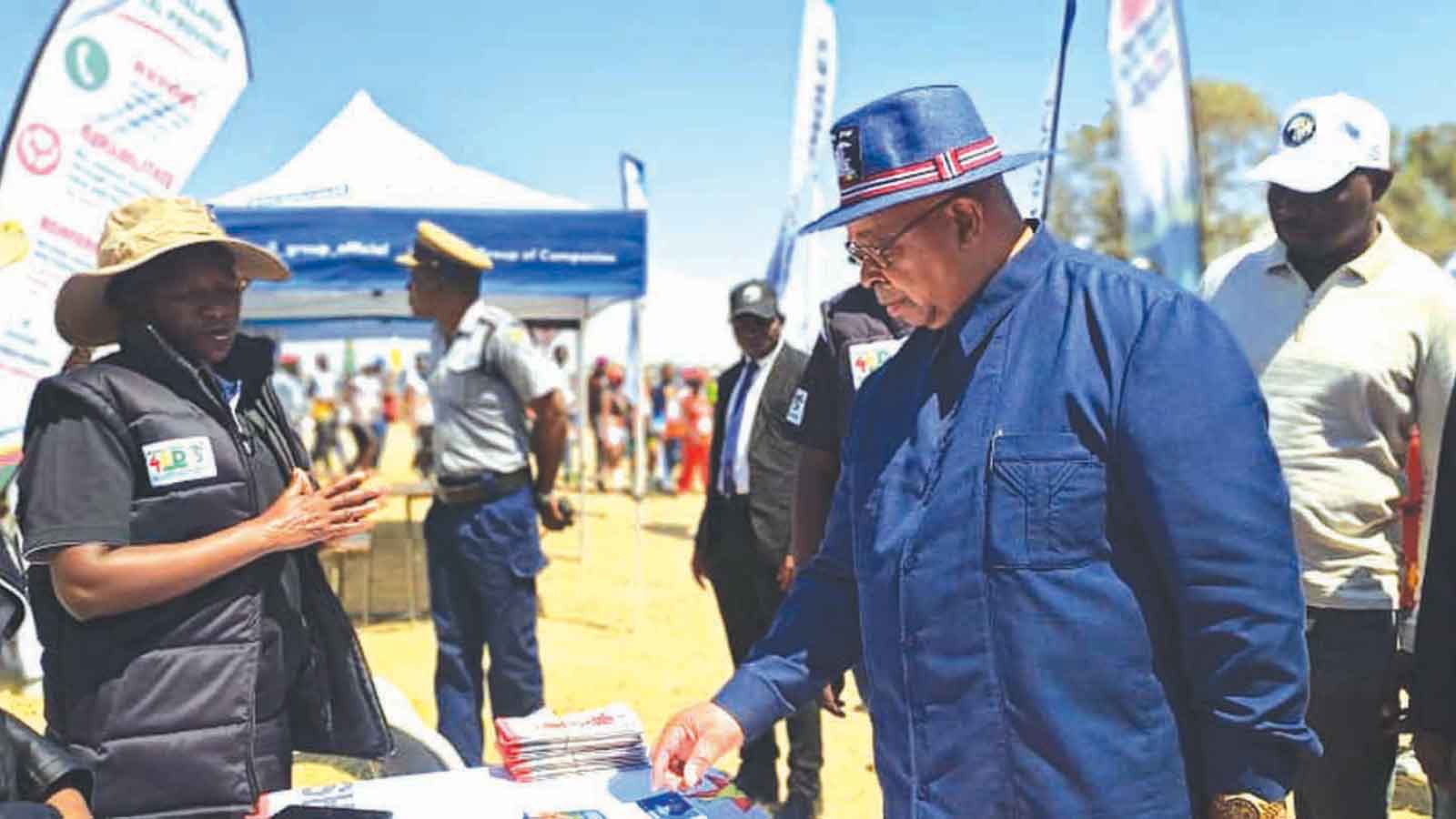
Fungai Lupande
Mashonaland Central Bureau
ZANU PF Secretary-General Cde Jacob Mudenda yesterday said the Munhumutapa Half Marathon mirrors Zimbabwe’s journey towards socio-economic development, telling runners and dignitaries at Mvurwi High School that the race embodies the country’s ethos of unity, discipline and collective effort.
The event, held under the theme “Running Together for Health, Unity and National Development Towards Vision 2030”, combined the half marathon with first aid training and a medical outreach programme.
It formed part of preparations to celebrate President Mnangagwa’s 84th birthday on Tuesday.
“Every runner may have a different pace, but the destination is common. In this sense, the half marathon resonates robustly with the national ethos of unity, peace and development,” Cde Mudenda said.
He said no meaningful national achievement could be secured through isolated effort, and that progress required organisation, discipline, solidarity and shared purpose.
“The race, therefore, becomes a metaphor for nation-building in that although we may run at different speeds, we must do so following the same national development direction,” he said.
Physical fitness, Cde Mudenda said, extended beyond the body to a disciplined, rational mind. Quoting the Roman maxim “Mens sana in corpore sano (a sound mind in a sound body)”, he said regular exercise cultivated focus, self-discipline, emotional balance and resilience, qualities he called essential to building Zimbabwe’s human capital.
“Accordingly, comrades, a sound mind must distinguish between ephemeral pleasure and enduring fulfilment. To that end, sport offers a constructive alternative to destructive escapes, such as drug and substance abuse, by cultivating discipline, achievement, self-respect and purposeful living,” he said.
He challenged young people to embrace education, skills development, innovation and responsible citizenship, framing today’s liberation struggle as one against ignorance, poverty, unemployment, ill-health, substance abuse, technological exclusion and economic underdevelopment.
“This is where we locate the Chimurenga chePfungwa/Umvukela weNqondo (the liberation of the mind),” he said.
“A young person who chooses education over ignorance, enterprise over dependence, discipline over indulgence and service over selfishness is a solid rock in the building of Zimbabwe’s future,” he added.
Cde Mudenda, who is also Speaker of the National Assembly, said development was ultimately about people’s socio-economic capabilities and well-being. “The greatest infrastructure of a nation is its people. A healthy body, a sound mind, a skilled hand and a disciplined character are, therefore, not merely personal attributes; they are national assets,” he said.
Mashonaland Central Provincial Affairs and Devolution Secretary Mr Timothy Maregere, representing Minister of State for Provincial Affairs and Devolution Christopher Magomo, said the event reflected President Mnangagwa’s philosophy of leaving no one and no place behind, commending organisers for bringing medical services, first aid training and drug abuse awareness directly to communities.
“As the provincial government, we remain committed to creating an environment in which communities can participate meaningfully in national development,” he said, citing the province’s potential in agriculture, mining, tourism, youth development, sport and entrepreneurship.
Also present were ZANU PF Mashonaland Central province Chairperson Cde Kazembe Kazembe, Mazowe North MP Cde Tsungai Makumbe and Deputy Secretary for Youth Affairs Cde John Paradza.