

 Online Reporter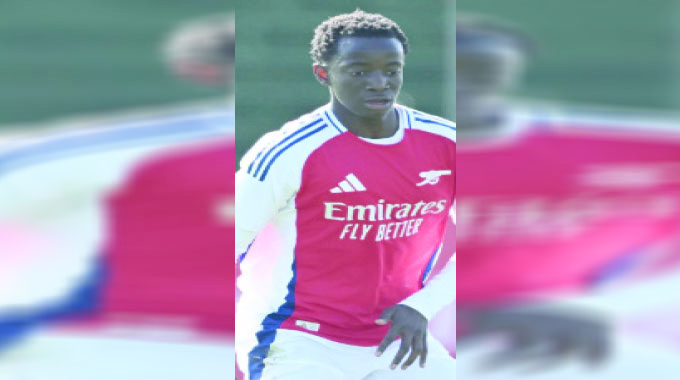
Zimpapers Sports Hub
ON the eve of Arsenal’s UEFA Champions League quarter-final clash with Real Madrid a fortnight ago, all eyes were on the stars of Mikel Arteta’s side but quietly, among the hopefuls on the training pitch, a new name began making quiet waves, Teshaun Tarumbidzwa Murisa.
The 16-year-old UK-born midfielder, who has roots in Zimbabwe through both parents, was among a select group of academy players invited to train with the Arsenal first team, a signal of both his rapid development and the club’s growing confidence in his abilities.
Murisa, who typically operates as a central midfielder but has recently featured at right-back, has impressed with his versatility, composure and intelligent passing.
Jeorge Bird, a respected authority on Arsenal’s youth setup, described Murisa as a “skilful midfielder” with an aptitude for breaking up play and distributing the ball cleanly, attributes that have helped him thrive for Arsenal’s Under-18 side.
His standout performances were instrumental in Arsenal Under-17s’ success at the Flamengo Cup in Brazil, where he was named in the tournament’s best XI.

While Murisa’s future at club level seems bright, the bigger question especially in the hearts of Zimbabwean football fans is whether he could one day don the green and gold of the Warriors.
That hope now feels more possible than ever.
At the time Murisa is making waves, the Zimbabwe Football Association (Zifa) launched its ambitious “Roots & Dreams” initiative in London.
Spearheaded by Zifa president Nqobile Magwizi and national team coach Michael Nees, the programme aims to connect with Zimbabwe talent in the diaspora and create a structured pathway for dual-nationality players to represent their ancestral home.
“Roots, because regardless of where we are born or where we reside, we remain united by the soil, stories and spirit of Zimbabwe,” Magwizi said. “Dreams, because this is about unlocking possibility.”
Murisa fits the vision perfectly. Born and raised in England, but Zimbabwean by heritage, he is emblematic of a new generation of footballers who navigate multiple identities and may be the key to propelling Zimbabwean football onto the global stage.
The decision to represent a national team is deeply personal and Murisa’s international future remains open.
With England and Zimbabwe both viable options, the battle for his allegiance will likely depend on long-term opportunity, support, and alignment with his career goals. Yet, with Zifa now taking deliberate steps to scout and support diaspora talent, the pitch to players like Murisa is stronger than ever.


