Online Reporter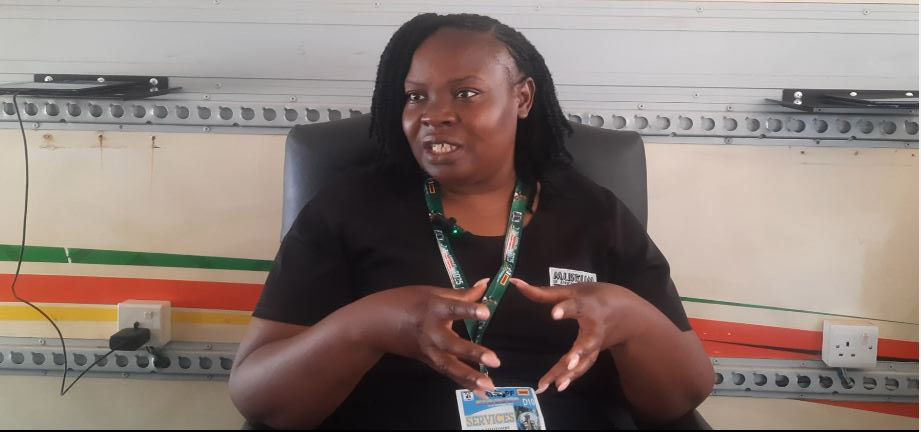
Tendai Gukutikwa
Post Reporter
THE Museum of African Liberation Zimbabwe (MALZ) is bringing history closer to learners in Manicaland by taking its digitalised mobile museum to schools in Mutare, in a bid to educate young people about Africa’s liberation struggle and heritage.
The initiative, which is part of MALZ’s leaving no place and no person behind programme, aims to make the history of African liberation accessible to all, particularly schoolchildren who may not have the opportunity to visit the main museum in Harare.
Speaking in an interview in Mutare recently, the museum’s recreation and tourism manager, Ms Diana Tsitsi Sitotombe, said the mobile museum is an outreach project designed to take the African liberation story to every corner of the country and the continent.
“As the Museum of African Liberation, our main thrust is to support Vision 2030, and contribute towards economic development and value addition. We are building one of the largest museums of African liberation in Africa, and through this project, we are bringing that museum experience directly to the people,” said Ms Sitotombe.
She said the Museum of African Liberation, located in Warren Park, Harare, is a Pan-African project designed to retell the African story from an African perspective.
“For too long, about 95 percent of the African story has been told by non-Africans. Our mission is to demystify that, and allow Africa to tell its own story to show our identity and celebrate our journey to freedom,” said Ms Sitotombe.
The museum features pavilions for each African country, including a Zimbabwean pavilion and a Southern African Development Community (SADC) pavilion, all designed to showcase the continent’s shared history of struggle, unity, and triumph.
Ms Sitotombe said the decision to take the exhibition to Mutare was driven by requests from local schools whose learners visited the MALZ stand during the ZANU PF 22nd People’s Annual Conference in the city.
“We received visits from several schools in Mutare, and learners showed great interest in our exhibition. They invited us to visit their schools, and we felt it was important to take the museum to them. We believe in catching them young so that they understand the importance of Africa’s liberation and what it means for their future,” she said.
The mobile museum, which is fully digitalised, includes interactive screens and multimedia content that allow visitors to experience the liberation journey in a modern and engaging way. “It is a digitalised setup where people can watch videos, read stories, and interact with screens that provide detailed information about the liberation struggles across Africa. We will continue to develop more content to ensure that people get the full picture of how far Africa has come from colonialism to independence and beyond,” Ms Sitotombe explained.
She added that the museum’s outreach programmes are also a way to promote inclusivity, ensuring that even those in remote areas have access to the same information and experiences as visitors to the main museum.
“We are bringing the museum to the people because, not everyone can travel to Harare. Through our mobile exhibitions, we are making sure that no one is left behind,” said Ms Sitotombe.
In addition to its mobile exhibitions, MALZ has also developed other facilities at its main site to promote cultural heritage, tourism, and sustainability. These include the Heritage Village and the Sky Deck, which host meetings, events, and conferences.
“At the Heritage Village, we promote what we call ‘maestorism’, where people can come together to share experiences, and learn about African traditions and liberation history. The Sky Deck and other commercial projects we have developed help generate revenue to sustain the museum, as entry fees alone are not enough,” Ms Sitotombe said.
She explained that while visitors are charged a small fee of US$2 or US$3 to enter the museum, the amount is insufficient to maintain operations. The additional facilities and commercial projects help fund the museum’s programmes and outreach efforts.
“These initiatives are about adding value to what we already have. We want to ensure that the museum remains sustainable, while continuing to serve its main purpose, educating and inspiring Africans to take pride in their history,” she said.
Ms Sitotombe said the Museum of African Liberation is, not just about looking back at the past, but also about inspiring present and future generations to build on the legacy of those who fought for independence.
“Our liberation story is, not only about the past, it is also about the present and the future. By teaching young people about where we came from, we are helping them understand the sacrifices that were made, and the importance of unity, resilience, and self-determination,” she said.
She added that through such educational initiatives, the museum hopes to strengthen national identity and foster patriotism among youths. “When we take this content to schools, learners appreciate why it was important for us to fight for our freedom in Zimbabwe and across Africa. They start to understand that our independence was hard-won, and that it must be protected and valued,” she said.
Ms Sitotombe reiterated that the Museum of African Liberation’s mission aligns with the Government’s Vision 2030, which seeks to transform Zimbabwe into an upper middle-income economy through inclusive growth and national pride.
“By telling our story and promoting our heritage, we are contributing to Vision 2030. We are building a legacy of knowledge and pride that supports economic and social development,” she said.