Online Reporter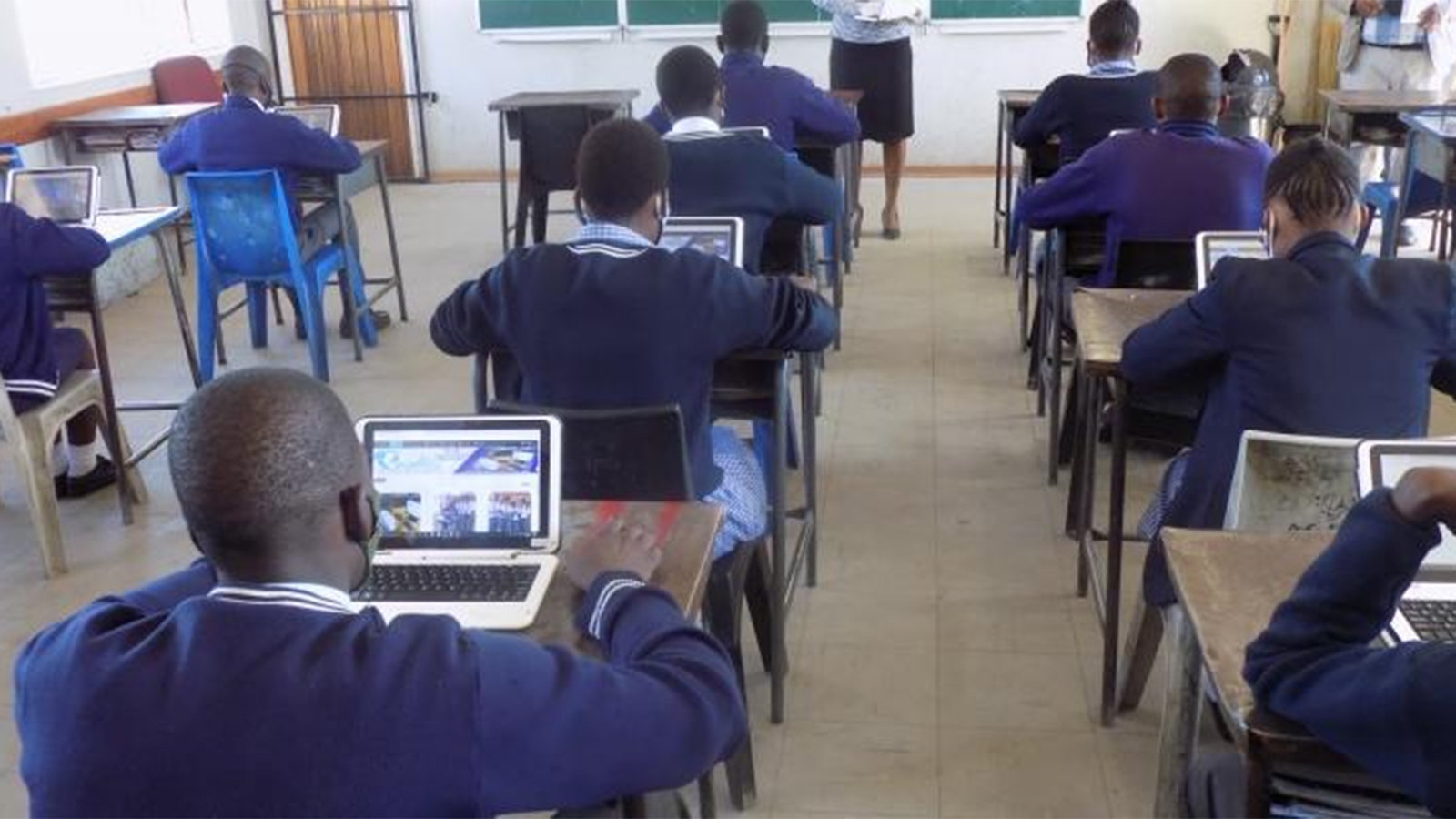
Miriam Tose Majome-Correspondent
Since dollarisation in 2009, schools have multiplied with the enthusiasm of mushrooms after the rain across Zimbabwe.
Their growth rivals only that of churches and new religious sects.
Wherever the greenback has gone, so has a peculiar kind of entrepreneurial creativity. Some of the smallest playgroups have upgraded themselves overnight into “academies”, complete with shiny new signage and long names that sound like private universities.
It is now common to see a modest crèche proudly advertising Grade Zero to Upper Sixth tuition all squeezed onto what used to be someone’s household property, and in some cases is still a family home.
A few extra outbuildings, a lick of paint, and suddenly the toddlers are rubbing shoulders with Advanced-Level learners.
How learning through play co-exists with exam pressure on a single, cramped piece of land defies both law and logic. But it tells a larger story about how the education sector has been left to run on autopilot.
Law is cleared
The Education Act particularly Part V, is unambiguous that no person may establish or maintain a non-government school unless it is registered.
Running an unregistered school is a criminal offence. Yet anyone who drives through the suburbs can count a dozen such “schools” in plain sight. Parents, too, are not blameless.
Many enrol their children in unregistered institutions without asking for proof of registration. The Ministry of Primary and Secondary Education issues registration certificates for a reason, yet few parents ever insist on seeing them.
Some do not know; others simply do not care, convinced that the mere label of “Cambridge”, “Montessori” or “American system” guarantees quality. Even some long-established religious institutions run unregistered schools, comforted by their reputations and the assumption that legality will follow respectability.
It rarely does.
Legally, every prospective school must apply to the Ministry of Primary and Secondary Education for registration. The process includes inspection of buildings, sports fields, laboratories, hostels and ablutions.
The facilities must be appropriate for the number and age of pupils. The school’s finances, curriculum and staff qualifications must demonstrate the ability to provide efficient instruction.
These are not unreasonable demands. They protect children from unsafe or unsuitable environments and ensure minimum educational standards. Yet the sight of some “colleges” hidden between garages and noisy factories shows that inspections, if they happen at all, have become a box-ticking exercise.
Can schools really be a business?
It is not uncommon to find a “college” sharing space with a hardware store, a bus workshop or even a church. The chaos is taken as normal.
The most infamous example remains the 2015 exposé by The Sunday Mail on Oasis Group of Schools in Westlea dubbed “the worst of them all.” Pupils studied amid roaring engines, clanging metal and loud gospel music from a nearby church. The lighting was poor, classrooms were cramped, and the pass rate was dismal.
A decade later, little has changed.
For every glittering “international academy” with manicured lawns, there are dozens of dim, overcrowded private schools operating from rented houses and warehouses.
Many are registered as learning centres or colleges to bypass regulation.
Some of these establishments charge fees higher than reputable public schools, yet provide little more than coaching for examinations.
The Government should build more public schools, especially in new urban settlements and resettlement areas.
Where new suburbs rise, private entrepreneurs rush in with makeshift classrooms long before the ministry has allocated a single teacher.
Unregistered schools operate openly, sometimes even advertising on national radio.
Education is more than cramming pupils into tiny rooms to regurgitate notes at year’s end.
The United Kingdom’s School Premises Regulations, for example, set clear and enforceable minimum standards from classroom temperature and ventilation to sports and recreation facilities.
Time to reclaim the sector
The Education Act was meant to guarantee that every child, rich or poor, learns in a safe and properly equipped environment. That duty cannot be outsourced. Private initiative has a place, but it cannot replace public accountability.
The ministry must restore active inspection, close illegal schools, and prioritise building and staffing public ones. When education becomes a business, free of regulation, the poorest children pay the highest price.
The country’s future cannot depend on who can afford to escape the chaos.
It is time for the State to reclaim its constitutional duty before the word “school” loses all meaning.
Miriam Tose Majome is a lawyer and educator. She can be contacted on [email protected]