Online Reporter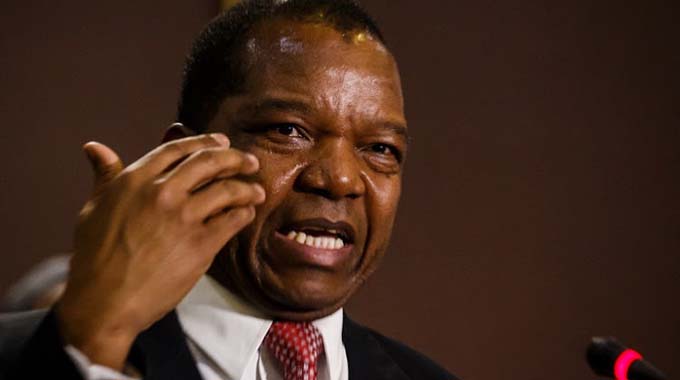
Farirai Machivenyika
Senior Reporter
MUTAPA Investment Fund (MIF) expects to clear Cottco Holdings’ legacy debts of around US$5 million within the next six months and bring its accounts up to date by early next year as part of efforts to turn around the firm’s fortunes.
This was disclosed by MIF chief executive officer, Dr John Mangudya, when he appeared before the Parliamentary Portfolio Committee on Lands, Agriculture, Water, Fisheries and Rural Development yesterday to brief it on funding for Cottco.
The cotton company falls under MIF, the country’s sovereign wealth fund and is saddled with debts, which led to its voluntary suspension of trading on the Zimbabwe Stock Exchange in 2014.
“We want to ensure that Cottco pays its legacy debts, which are the money they owe to workers, which is about US$3,1 million, the transporters, which is about US$1 million and the legacy payment to farmers, which is about US$6 million. So, we are putting these measures so that Cottco will be able to pay farmers. We are starting with the current crop and we have disbursed US$5 million so far out of the US$10 million (it owes)” Dr Mangudya said.
He said they hoped to clear the debts in six months. “We hope to clear the debts within the next six months, if there is any balance, by early next year,” he added.
Dr Mangudya said the resumption of trading of Cottco shares on the ZSE would enhance transparency within the organisation and assist in attracting new investors.
Dr Mangudya also told the Committee that Cottco will soon introduce a credit card system for farmers to curb abuse of inputs distributed under the Presidential Inputs Scheme.
Some unscrupulous individuals have in the past abused the facility by accessing the inputs and reselling them on the black market.
The card will be for farmers to swipe for inputs at registered merchants. The system will be linked to the banks, POSB and AFC and the biometrics from the Registrar General’s office.
“The card will only be for inputs and contain the biometrics of the farmer to prevent double dipping and abuse of the facility,” Dr Mangudya said.



 Online Reporter