Moffat Mungazi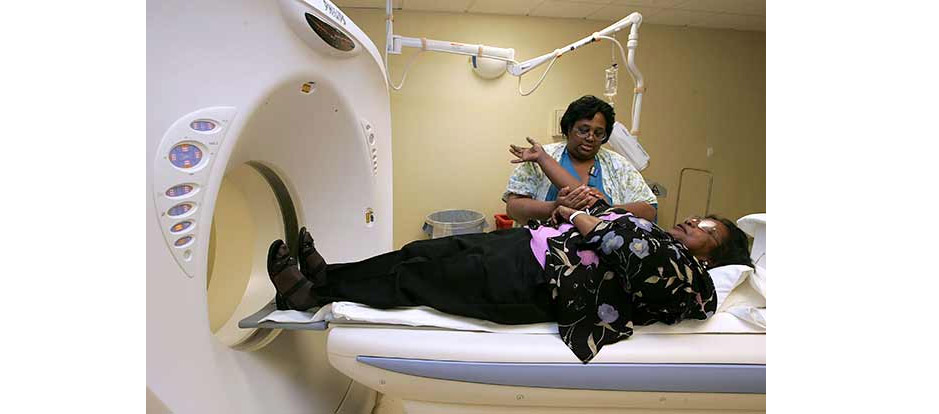
THE announcement by Government that two new cancer treatment centres will be established at Victoria Chitepo Provincial Hospital in Mutare and Gweru Provincial Hospital is what the doctor rightly prescribed to the fight against the disease which has caused nightmares to many people.
The process is being funded through the US$30,8 million collected from the sugar tax in 2024.
The tax, introduced last year, is a levy imposed on sugar-sweetened beverages to discourage excessive consumption of the drinks and reduce the prevalence of non-communicable diseases.
As Zimbabwe continues to grapple with the escalating burden of cancer, the need for specialised treatment centres has become more pressing than ever.
It is imperative that we prioritise investing in a state-of-the-art cancer treatment centre in Mutare, a city that serves as a critical healthcare hub for the eastern region. A dedicated cancer treatment centre in Mutare will be a game-changer for the thousands of cancer patients who currently have to travel to Harare or other distant locations for treatment. This, not only imposes a significant financial burden on families, but also exacerbates the emotional toll of dealing with a cancer diagnosis.
By investing in a cancer treatment centre in Mutare, we will be providing patients with access to comprehensive, specialised care, including diagnosis, treatment, and palliative services.
This will significantly improve treatment outcomes, reduce mortality rates, and enhance the overall quality of life for cancer patients.
A cancer treatment centre in Mutare will also serve as a catalyst for medical tourism, attracting patients from neighbouring countries, and generating the much-needed revenue for the local economy.
Medical tourism, a growing trend worldwide, refers to the practice of travelling to another country or region to receive medical care. This phenomenon has been driven by the increasing demand for high-quality, affordable healthcare services.
A cancer treatment centre in Mutare will be well-positioned to capitalise on this trend, attracting patients from neighbouring countries and beyond.
Zimbabwe’s strategic location in southern Africa, combined with its well-developed transportation infrastructure, makes it an attractive destination for medical tourists.
Mutare, in particular, is a hub for trade and commerce in the region, with good road connections to neighbouring countries.
One of the primary advantages of a cancer treatment centre in Mutare is its potential to offer high-quality, specialised care at a lower cost compared to other destinations in the region.
Many cancer patients in Africa face significant challenges in accessing affordable, specialised care, and are often forced to travel to distant locations, such as South Africa or India, to receive treatment. A cancer treatment centre in Mutare will provide a more accessible, affordable alternative, with the potential to attract patients from countries such as Mozambique, and Malawi.
In addition to its strategic location and competitive pricing, a cancer treatment centre in Mutare will also offer a unique blend of traditional African hospitality and modern, state-of-the-art medical facilities.Patients will have access to a team of highly trained, specialised healthcare professionals, as well as a range of advanced diagnostic and treatment technologies. The centre will also provide a comfortable, supportive environment for patients and their families, with amenities such as accommodation, catering, and spiritual support services.
The economic benefits of a cancer treatment centre in Mutare will be significant, with the potential to generate substantial revenue for the local economy.
Medical tourism is a lucrative industry, with patients often travelling with family members or companions, and staying for extended periods. This will create opportunities for local businesses, such as hotels, restaurants, and transportation services, to cater to the needs of medical tourists.
The centre will also create employment opportunities for healthcare professionals, technicians, and support staff, contributing to the growth and development of the local community. To fully capitalise on the potential of medical tourism, it will be essential for the cancer treatment centre in Mutare to develop strategic partnerships with healthcare providers, insurance companies, and travel agencies in the region. This will enable the centre to effectively market its services, and attract patients from a wider geographic area.
Investing in a cancer treatment centre in Mutare is, not only a moral imperative, but also a sound economic investment. It is our collective responsibility to ensure that cancer patients in Manicaland and beyond have access to the best possible care, and we urge the Government, private sector, and development partners to prioritise this critical project.


 Online Reporter