Tendai Gukutikwa
Mutare Bureau
THE City of Mutare has launched the Mwaka Climate Hub in Chikanga to equip young people with practical skills and opportunities to establish green enterprises in climate-smart agriculture, sustainable food production and value addition.
The hub seeks to help young people turn innovative ideas into viable businesses while strengthening urban food systems and climate resilience.
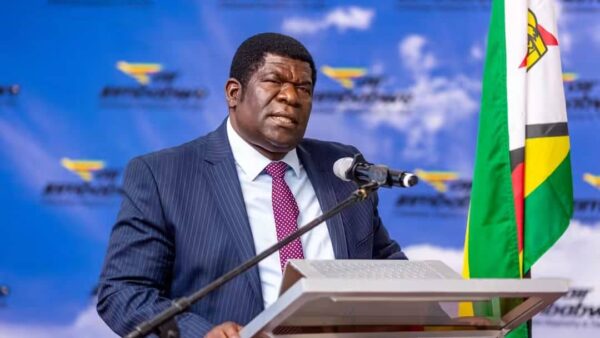
Speaking at the launch, Mutare Mayor Councillor Simon Chabuka said the initiative was part of the city’s response to climate change and economic challenges affecting young people.
“Like many urban centres in Southern Africa, our city faces the dual challenges of climate change and economic pressure,” he said.
“Erratic weather patterns, shifting agrifood systems and economic bottlenecks directly affect our food systems, local economy and our youth.”
The hub is being implemented by Green Governance Zimbabwe (GGZ), which leads the Urban Futures consortium in Mutare, in partnership with Manica Youth Assembly (MAYA) and Simukai Child Protection Programme, with support from Hivos Southern Africa.
Councillor Chabuka said the facility would help young entrepreneurs overcome barriers to affordable workspaces, mentorship, finance and markets.
“Beyond providing desks, internet and workshop equipment, this hub will serve as an incubator where ideas are developed, enterprises are formalised and youth-led businesses are connected to real investment opportunities,” he said.
The hub will provide hands-on learning in climate-smart agriculture, sustainable food production, value addition and entrepreneurship, enabling young people to explore business opportunities while developing solutions to local food and environmental challenges.
Councillor Chabuka said investing in youth-led green enterprises could simultaneously create employment and improve the city’s food systems.
“When we invest in youth green enterprises, we achieve a double victory, and we build sustainable urban food systems that feed our city while simultaneously creating dignified green jobs for young people,” he said.
He said the local authority was committed to creating an enabling environment for youth-led businesses, including exploring opportunities to procure sustainable food products, environmentally friendly supplies and waste management services from young entrepreneurs.
Council said it will also facilitate access to municipal land, demonstration sites and urban markets while working with Government ministries and development partners to streamline business licensing and reduce bureaucratic hurdles.
The mayor challenged financial institutions and private investors to develop financing models tailored to young entrepreneurs, many of whom struggle to secure loans due to limited collateral and business experience.
“I call upon our financial partners, such as Empower Bank, ZB Bank and other commercial investors, to step up with flexible, youth-friendly financing models that match the innovative energy we see in this hub,” he said.
The Urban Futures Project brings together local authorities, civil society organisations and development partners to promote inclusive and sustainable urban food systems, with young people playing an active role in green innovation and climate action.
Through this partnership, GGZ, MAYA, and the Simukai Child Protection Programme aim to give young people more opportunities to build skills, start businesses, and contribute to community solutions.
“The facility is expected to provide a practical space for young innovators to test ideas and explore ventures in areas such as food processing, sustainable production and waste-to-resource initiatives,” he said.
Councillor Chabuka said sustained collaboration between council, development partners, financial institutions and young entrepreneurs would be key to the hub’s success.
“Let the Mwaka Innovation Hub be a place where ideas take root, green enterprises flourish, and the future of Mutare is forged,” he said.
The initiative seeks to bridge the gap between young people’s business ideas and the skills, resources and market access needed to turn them into sustainable livelihoods, while contributing to Mutare’s economic development and climate resilience.