Ivan Zhakata recently in MASVINGO
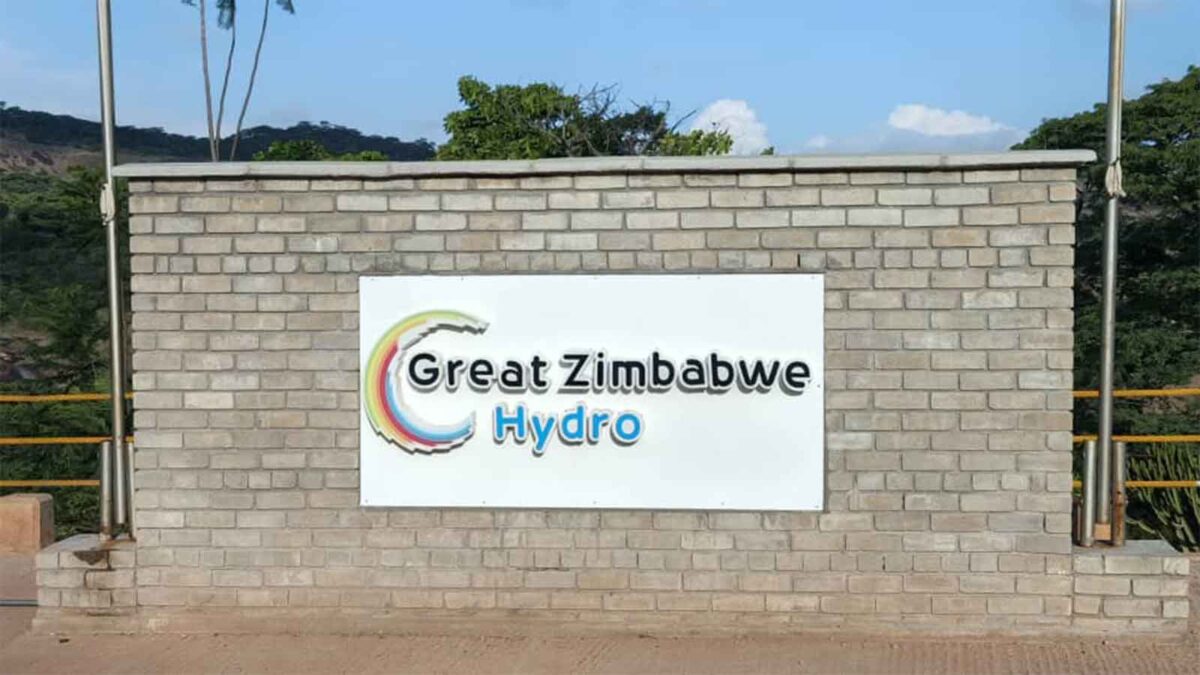
THE 5-megawatt Great Zimbabwe Hydro Power Project at Lake Mutirikwi is transforming livelihoods in surrounding communities through improved electricity supplies, supporting businesses, agriculture, healthcare and education.
The project, developed by Great Zimbabwe Hydro Power (Private) Limited, is harnessing water resources from the Runde Catchment to generate renewable electricity, contributing to Zimbabwe’s efforts to diversify its energy sources and address power supply challenges.
For local entrepreneurs, improved electricity supplies are translating into reduced operating costs, increased production and employment creation.
Ms Sarah Chikomo, a local welding and fabrication business owner, said reliable electricity has enabled her to expand operations after years of struggling with prolonged power cuts and expensive diesel generators.
“Before the power station was fully operational, we would go for 12 to 14 hours a day without electricity,” she said.
“I used to spend a significant portion of my profits on diesel for a generator. Now, the power is constant.
“I have been able to buy new equipment, hire two extra workers, and my business is finally growing.”
The benefits are also being felt in the agricultural sector, where farmers are using electricity to operate irrigation pumps, reducing their dependence on diesel-powered equipment.
An agricultural extension officer said improved electricity availability was encouraging farmers to expand their irrigated land and increase agricultural production.
“The impact on food security has been immense. Farmers are expanding their hectares because they know the irrigation systems will not fail them,” the officer said.
A local sugarcane farmer, Mr Taurai Mukwanda, said reliable electricity has made irrigation more affordable and enabled farmers to plan their agricultural activities throughout the year.
“The reliable electricity supply has made irrigation easier and more affordable,” he said.
“We no longer have to depend entirely on diesel-powered pumps, which were expensive to operate. This is helping us increase production and plan our farming activities throughout the year.”
Healthcare facilities in surrounding communities are also benefiting from improved electricity supplies, particularly in the storage of vaccines and operation of essential medical equipment.
A local healthcare worker, Miss Nancy Mugumi, said a reliable power supply was critical in ensuring uninterrupted delivery of health services.
“Reliable electricity is critical in healthcare facilities, particularly when it comes to storing vaccines and operating essential medical equipment. The improved power supply is helping us provide services without constant interruptions,” she said.
Schools are now better positioned to introduce and sustain computer literacy programmes while learners can study during evening hours with fewer disruptions caused by power outages.
The project was developed through a public-private partnership involving MOL Power Hydro-Electric, Frontier Investments Management and Old Mutual Life Assurance Company Zimbabwe.
Masimba Holdings Limited undertook the civil engineering works while VS Consulting (Private) Limited from Sri Lanka provided design consultancy services.
The power station draws on the water resources of Lake Mutirikwi, which, according to the Zimbabwe National Water Authority (ZINWA), has a capacity of more than 1,4 billion cubic metres at full supply level.
The dam has a maximum height of 66 metres, a crest length of 309 metres and a maximum depth of 60 metres.
The Great Zimbabwe Hydro Power Project adds to efforts to strengthen Zimbabwe’s energy security through investment in renewable energy, while demonstrating the potential of private-sector participation in electricity generation.
Its contribution to local electricity supplies is expected to support economic activities, improve service delivery and create opportunities for communities around Lake Mutirikwi.