Online Reporter
GROWING up in Bulawayo in the late 1970s and early 1980s, when my appreciation of the game was still developing, I tended to be impressed by things that were not necessarily the essence of football.
I had an early interest in Highlanders primarily because my father was a player there.
My maternal uncle always found a reason to cheat granny out of her domestic wages by insisting that his nephew wanted to go and watch his dad, which was not true but in some instances, we ended up watching Bulawayo Wanderers, which was close to the relatives’ homes in Old Magwegwe and Phelandaba.
He loved Wanderers because he had friends and enjoyed free entry.
Barbourfields was not ideal as he did not want us to ride on the omnibuses, saving a few dollars each month through that. Walking there entailed carrying me on his shoulders, which he did not want because I was a big kid for my age.
Douglas “British” Mloyi was my centre-back hero at Highlanders. His tough tackling, diving headers, headed clearances and booting the ball the furthest, sometimes as far as Barbourfields ZRP
Post or Mzilikazi Primary School made him stand out.
Before him, there was the tough James Nxumalo, Boet Van Ays, and Zenzo Dabengwa but British features prominently in my list of the best Highlanders centre-backs.
In the previous two instalments, I dwelt on some of the best centre-backs to feature for the club and also turned attention to twin centre-back combinations.
Today, Sunday Life looks at my personal choices.
I was very young to come up with an opinion about Van Ays, Nxumalo and Dabengwa.
Nxumalo was big, Van Ays appeared no-nonsense and the colour of his skin caught my attention, along with his hard tackles and bullish attitude, owing to their imposing physiques.
Dabengwa, small and athletic, was often a busy bee in the heart of defence, although at times he would be found at the centre of the rear-guard.
Young defence stalwarts of the mid-1970s, Ephraim “Moloi” Moyo and Mloyi, had the physical presence to withstand top strikers of that era.
Chita Antonio, Wonder Chisetera, Nathaniel Maduku, the rising Shaky Tauro, David George, Ernest Kamba, Topsy Robertson, Billy Sharman, Twyman Ncube, Ebson ‘Sugar’ Muguyo, George
Shaya, Bethal Salis, George Rollo and Rodrick Simwanza were among some of the strikers to contend with.
They were big and ruthless to defenders and goalkeepers, at a time when fans celebrated shots tearing the nets.
They benefited from the industriousness of their midfield and wing partners, who helped carve spaces in the final third, allowing them to take shots at goal. The Highlanders centre-backs mentioned were equal to the challenges on the field.
Mloyi and Lawrence Phiri also formed a very towering centre-back partnership, providing good cover for a young and short Peter Nkomo in goal during the South Zone Soccer League days of 1977–78.
British will always be a favourite of many, having played with the Nxumalos, Dabengwas and Van Ays briefly.
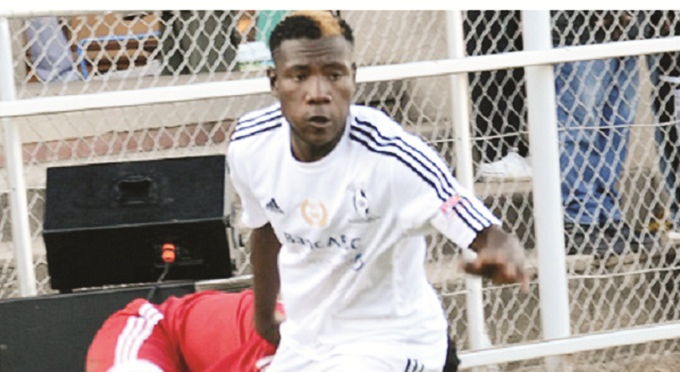
Moyo did not stay long at Highlanders, moving to Olympics and later Zimbabwe Saints in 1977 after the split.
Big and comfortable with winning possession as well as playing the ball, had he stayed with Highlanders alongside his junior partner Mloyi, there is no doubt they would have been around for over a decade and become club legends.
There is not much I can write about the two other centre-backs Mloyi played with in the early 1980s, Macdonald Silongwe and William Mabika. They were decent players who did not reach the stardom that British and others enjoyed.
Mloyi would go on to form a notable partnership with Richard Ndlovu, who arrived from Black Horrors. Towering and tactically strong, they were hard to beat at the centre.
To demonstrate Ndlovu’s quality, he was able to adapt to playing alongside another club legend, centre-back Alexander Maseko. The trio were central to Highlanders’ successes in the mid-1980s, when the club won virtually every trophy contested.
Their trophy cabinets include the Chibuku Trophy, Independence Cup, Heroes Cup, Africa Day, Rothmans Shield, and Castle Cup and they faced some of the league’s deadliest strikers, including
Wonder Chaka, Tauro, Friday Phiri, Barton Mwalukuka, Skeva Phiri, Labani Ngoma, Maronga Nyangela, Kembo Chunga, David George, Jerry Chidawa, Joseph Machingura, Gift Mpariwa, Ali
Saidi, Richard Manda, Richard “Gwesela” Ndlovu, Isaac Lungu, Charles Chirwa, Choddy Chirwa, Jonah Tasanangurwa, Moses Chunga, Bethal Salis, George Rollo and Charlie Jones.
The trio of Richard, Mloyi, and Maseko was so competitive that young talents like Lawrence Ndlovu, who arrived from Olympics and club junior Sam Sibanda found the competition stiff and had to move elsewhere to get game time.
Maseko and Mloyi were capped during an era when Zimbabwe had many good centre-backs such as Amos Rendo, Ephert Lungu, Sunday Chidzambwa, Reg Payne, William Chikauro, Misheck
Chidzambwa, Ernest Mutano, Charles Sibanda, Majid Dhana, Ephraim Chawanda and John Phiri.
Warriors’ 1987 call-up Simon Ncube, who came from Eagles to bolster the defence in 1988, helped Highlanders win major tournaments. His partnership with Maseko, supported by the brilliance of wing-backs Dumisani Nyoni and the late Fanuel Ncube, along with midfielders Tito Paketh, Nqobizitha Maenzanise, Amin Soma-Phiri, the late Titus Majola and Willard Khumalo, gave football fans nationwide something to savour.
Maseko also teamed up with the late Cleopas Dlodlo in the heart of Highlanders’ defence.
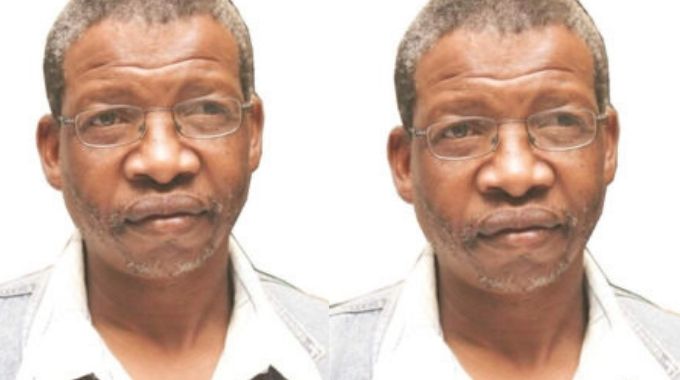
The partnership yielded the 1990 league and cup double, the club’s first in its history. Maseko read the game well and was a ball-playing centre-back, while Dlodlo was physical. Both enjoyed aerial dominance and tended to dwarf most strikers of that era.
A move to South Africa saw Dlodlo partner Melusi Nkiwane and Sikhumbuzo Ndebele, they produced decent performances.
Thulani Ncube and Dazzy Kapenya are also considered among Highlanders’ greatest centre-backs, as are Innocent Mapuranga, Melody Wafawanaka, Thomas Sweswe, Bekithemba Ndlovu, Gilbert Banda, Peter Muduhwa and Herbert Dick.
Ncube and Kapenya, in terms of league titles won with the club, are the most successful, each securing four titles as part of the 1998/99–2002 Highlanders sides. Both were superb at shutting out opponents with intelligent play, clean tackles and initiating attacks. They were not overly imposing but outsmarted opponents as Highlanders dominated the scene.
Wafawanaka performed well with Ncube and Kapenya, especially when on loan from army side Tongogara in 2001.
Both players were capped by Zimbabwe.
Mapuranga, identified at a coaching clinic by Madinda Ndlovu and forced out of retirement, had a good presence at Highlanders and even earned national team caps, appearing on the Soccer Stars of the Year calendar.
Dick, already an accomplished defender, combined well with Gilbert Banda.
Muduhwa is among the recent players to impress in this role.
My top 10 centre-backs would be Nxumalo, Van Ays, Mloyi, Richard Ndlovu, Maseko, Ncube, Kapenya, Dick, Mapuranga and Muduhwa.