daniel chigunwe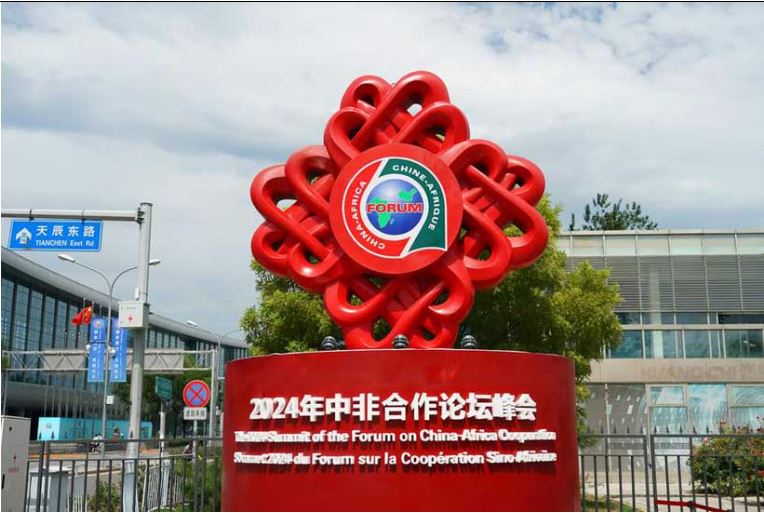
Market Musings with Timothy Pemba
Recently, I had the opportunity to be in Beijing during the Forum on China-Africa Cooperation (FOCAC).
While I did not attend the forum itself, being in Beijing during this significant event allowed me to observe the atmosphere, engage with various stakeholders, and gain insights into the evolving dynamics of China-Africa relations.
These are some of the key lessons I learned during my time in Beijing.
The energy in Beijing during FOCAC was palpable.
Conversations around the city were dominated by the theme of strategic partnerships between China and Africa. Even outside the forum, it was clear that the emphasis was on long-term, sustainable relationships that are mutually beneficial.
Business leaders and policymakers I interacted with were keen on collaboration that moves beyond simple transactions to partnerships built on shared visions and trust. This was a strong reminder of the importance of building solid, lasting relationships in business.
One of the most talked-about topics in Beijing, both inside and outside the forum, was China’s substantial investment in Africa’s infrastructure.
There is no denying the transformative potential of such investments.
Conversations with local professionals and international businesspeople highlighted how infrastructure roads, railways, ports, and energy serve as the backbone of economic development.
Witnessing this dialogue in Beijing reinforced my belief that robust infrastructure is crucial for business growth and regional integration in Africa.
China’s Belt and Road Initiative (BRI) serve as a prime example of the transformative power of infrastructure investment. Launched in 2013, the BRI is a global development strategy involving infrastructure development and investments in nearly 70 countries across Asia, Africa, and Europe.
Through the BRI, China aims to enhance global trade and stimulate economic growth across Asia and beyond by building massive amounts of infrastructure. For African countries, the BRI represents an opportunity to bridge the infrastructure gap that has long impeded economic development.
However, it is crucial that African countries, including Zimbabwe, align such external investments with their national strategies to maximize benefits.
When comparing China’s Belt and Road Initiative with Zimbabwe’s own National Development Strategy 1 (NDS1), there are clear parallels in the focus on infrastructure development as a foundation for economic growth.
NDS1, launched in 2021, emphasizes infrastructure development, digital economy, and social development as critical pillars for driving Zimbabwe’s economic growth over the next five years. Just as China is using the BRI to enhance connectivity and stimulate growth, Zimbabwe’s NDS1 seeks to revitalize key sectors and improve living standards through targeted investments in infrastructure.
However, the NDS1 goes beyond infrastructure to address key social sectors, thus ensuring a holistic approach to development.
Another significant aspect I observed was the active participation of Chinese companies in supporting the national agendas of their host countries.
In Zimbabwe, for example, Chinese companies have been involved in several key sectors including mining, agriculture, energy, and manufacturing.
These companies not only bring investment but also technology transfer, skills development, and job creation.
Through these contributions, Chinese companies are aligning themselves with Zimbabwe’s economic blueprint and supporting the government’s goal of achieving a middle-income economy by 2030.
Zimbabwe’s private sector could draw lessons from this proactive approach. Local companies should seek to align themselves more strategically with national development goals.
They must understand that it is not just about conducting business for profit but also about contributing to the broader economic and social goals of the country.
This alignment could be in the form of participating in public-private partnerships, investing in key sectors highlighted in NDS1, or even forming strategic alliances with foreign investors to leverage skills and resources.
While walking through Beijing’s tech hubs and engaging with entrepreneurs and innovators, I noticed a strong focus on technology and innovation.
The Chinese are heavily investing in technology-driven solutions that have the potential to transform industries, not just in China but also in Africa. The idea of technology transfer and collaboration in innovation came up frequently in discussions.
There is a real opportunity for African businesses to learn from China’s advancements in technology, especially in fields like e-commerce, fintech, and smart city development. For Zimbabwe, embracing digital transformation is a key priority under NDS1, particularly in developing a digital economy, and the lessons from China could be invaluable.
Although I was not at the forum, conversations around Beijing were filled with discussions about the need for coherent and consistent policies that facilitate trade and investment.
It became evident that for partnerships to thrive, both China and Africa need aligned and supportive policies. As I listened to various dialogues, it was clear that businesses and governments must work together to create a conducive environment for sustainable economic development.
The Zimbabwean government has made strides in policy reforms to attract foreign investment, but more needs to be done to align these policies with international best practices to ensure competitiveness and sustainability.
Beijing, with its rich history and modern vibrancy, offered a powerful lesson in the importance of cultural understanding.
Engaging with Chinese professionals and businesspeople, I realised that their approach is deeply rooted in trust, relationships, and a long-term perspective.
For African businesses aiming to partner with China, understanding these cultural nuances is as important as knowing the technicalities of the deal.
Building strong connections requires respect for these cultural differences and a willingness to learn.
Zimbabwean businesses must similarly invest in understanding their potential partners’ cultures, whether they are from China or elsewhere.
Being in Beijing during FOCAC provided a unique perspective on Africa’s role in a changing global landscape.
Conversations in cafes, business meetings, and informal settings all pointed to a sense of urgency and opportunity for Africa.
As global dynamics shift, Africa must assert itself not just as a receiver of foreign investment but as an active participant in shaping its development narrative.
My experience in Beijing underscored the importance of leveraging global partnerships to serve Africa’s strategic interests.
To conclude, my time in Beijing during the FOCAC summit, though not as an attendee, was enlightening.
It provided a unique vantage point to observe and learn about the power of strategic partnerships, the impact of infrastructure investments, the potential of technological innovation, the necessity of supportive policies, the value of cultural understanding, and Africa’s positioning in a multipolar world.
The Belt and Road Initiative and China’s development model offer critical lessons for Zimbabwe and Africa at large. We must engage thoughtfully with such global initiatives, ensuring alignment with our national blueprint the NDS1.

Africa’s future is in its hands, and the lessons from Beijing remind us that our engagement with global partners must be strategic, thoughtful, and forward-looking.
In the same vein, Zimbabwean companies, especially in the private sector, must actively participate in national development and take a leaf from Chinese companies in how they support national agendas.
By doing so, we can harness the full potential of both local and international partnerships to drive our continent’s sustainable development



 Online Reporter