Sukulwenkosi Dube- Matutu, [email protected]
FOR many parents, the true value of any training programme is seen not in certificates or graduation ceremonies, but in the changes they witness at home. At Guyu Youth Training Centre in Gwanda, families say they are seeing exactly that, with young people returning more disciplined, responsible and focused on their futures.
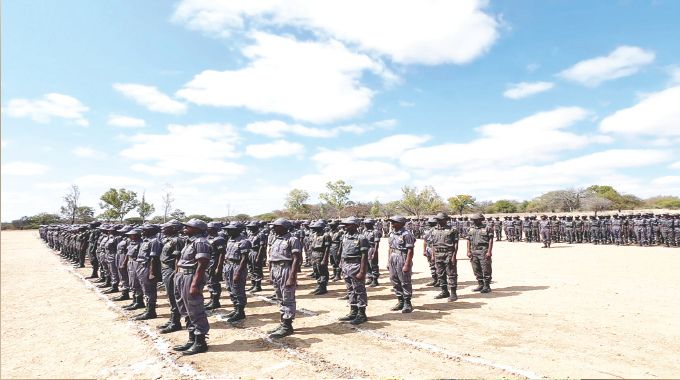
Recently, 1 547 young people from across Zimbabwe graduated from the centre after completing their training. The graduates included 1 114 males and 433 females from Intakes 1 and 2 of 2026. While 762 attended the graduation ceremony, another 785 graduated in absentia.
The milestone marked another chapter in the revival of Guyu Youth Training Centre, which resumed operations last year after nearly two decades of inactivity following its rehabilitation by the Government.
Since opening its doors, the centre has produced 11 503 graduates, cementing its place as a key institution in Zimbabwe’s youth development efforts.
At the heart of the programme is a simple goal: helping young people become responsible citizens who are ready to contribute positively to their communities and the nation.
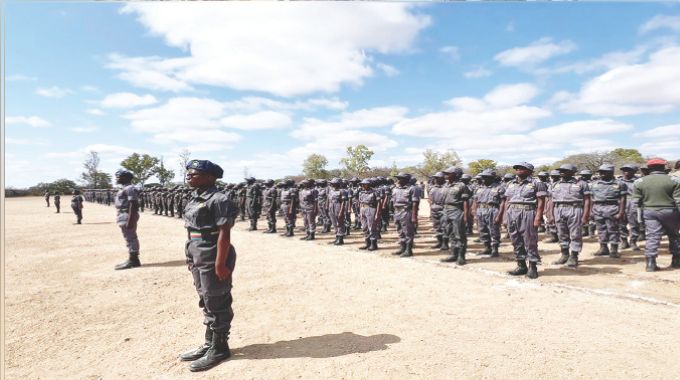
Through the Youth Service in Zimbabwe programme, young people receive training that goes beyond the classroom. The curriculum combines physical training, civic education and life skills designed to develop discipline, leadership and self-reliance.
Trainees take part in activities such as foot drills, sport, arts and culture, while also learning about national history, citizenship, unity and personal responsibility.
For many parents, the results are already evident.
Mrs Alona Chitauro from Harare said she had watched her son, Tadiwa Chitauro, grow into a more responsible and confident young man during his time at the centre. Tadiwa, who is 23, received an award for outstanding performance during the graduation ceremony.
“I have seen significant growth and development in my son during his time of youth service training. He has been equipped with leadership skills, and he has learnt a lot about responsibility. This training has helped equip him with life skills that he can use throughout his life. It’s a huge relief to have this programme that focuses on empowering youths while at the same time instilling discipline and respect,” she said.
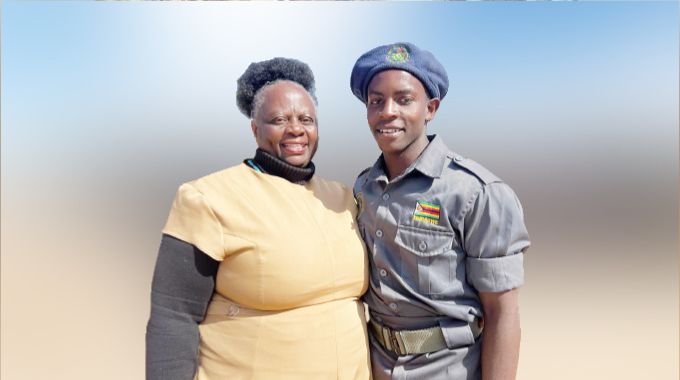
Like many parents, Ms Samantha Ncube from Bulawayo enrolled her son in the programme because she feared he was drifting towards bad influences.
She said he spent much of his time idle and had begun associating with friends whose lifestyles worried her.
Today, she says, he is a completely different person.
“My son is now responsible and disciplined. He understands the value of time, and he is focused on building his future,” she said.
Another proud parent, Ms Bridget Bhebhe of Bulawayo, believes the programme gave her daughter both confidence and practical life skills.
“The youth service has a holistic approach to empowering young people, and I would advise other parents to enrol their children. I have seen a great change in my daughter. Her attitude to life has even changed, and she is eager to do something meaningful with her life.”
Their experiences are shared by many families who believe structured youth programmes can help steer young people away from social challenges such as substance abuse, idleness and negative peer pressure.
Instead, participants learn the importance of teamwork, self-discipline, respect and accountability, qualities that often shape how they approach life after training.
Speaking during the graduation ceremony, Minister of State for Matabeleland South Provincial Affairs and Devolution Albert Nguluvhe said the programme remains an important tool for developing productive and responsible citizens.
He said youth development is critical to Zimbabwe’s future and that young people should be seen as active contributors to national progress rather than passive beneficiaries.
“This occasion allows us to celebrate the achievements of our young people and reflect on the important role that youth development plays in the progress of our nation. Today, we are not merely celebrating the completion of a training programme. We are celebrating the transformation of young Zimbabweans through discipline, education, skills development, patriotism and a renewed sense of responsibility towards their communities and country.”
Minister Nguluvhe said the province remains committed to creating opportunities that allow young people to develop their talents, acquire skills and pursue productive livelihoods.
He encouraged the graduates to use what they had learnt to become role models in their communities.
The revival of institutions such as Guyu forms part of broader efforts to strengthen youth participation in national development. The Ministry of Youth Empowerment, Development and Vocational Training has tasked youth service centres with equipping young people with practical skills while promoting values such as patriotism, volunteerism and community service.
The programme also brings together youths from different provinces, backgrounds and cultures, helping to build friendships and understanding across the country.
For many participants, that exposure is just as valuable as the lessons learned in the classroom or on the training ground.
The latest graduation figures underline the programme’s growing reach. More than 1 500 youths completed training in the most recent intakes alone, with participants drawn from all 10 provinces of Zimbabwe.
Those numbers suggest a growing interest in programmes that combine personal development with practical life skills.
As Zimbabwe works towards its development goals, many believe investing in young people remains one of the country’s most important priorities. Skills can open doors to opportunities, but character, discipline and responsibility are equally important foundations for success.
For parents like Mrs Chitauro, Ms Ncube and Ms Bhebhe, the impact of the training is already being felt in their homes. They have seen young people return with a renewed sense of purpose, stronger values and greater confidence about the future.
The graduation ceremony at Guyu was therefore about more than certificates and celebrations. It was a reflection of the journey many young people have taken to become better versions of themselves.
And for the families who have witnessed that transformation first-hand, the programme’s success is measured not by the numbers graduating, but by the positive changes they see in the lives of their children every day.