Online Reporter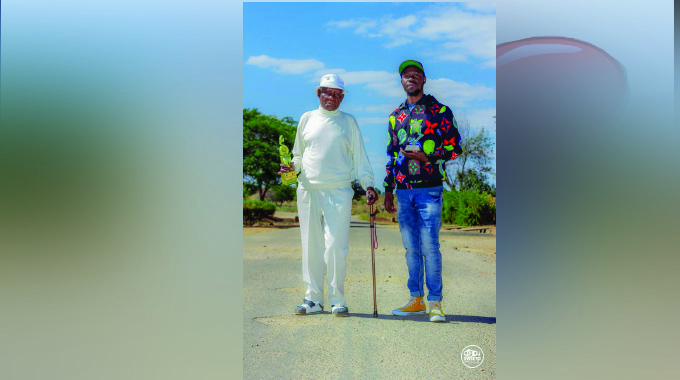
Lesley Chikudo
If you trace the vibrant pulse of Zimbabwean urban culture, you will find Mzoe7, born Mzobanzi Mlauzi, firmly embedded at its core. From his early beginnings in the high-density suburb of Entumbane, Bulawayo, to becoming a sought-after artiste, performer and youth advocate, Mzoe 7’s story is one of resilience, vision and unrelenting passion.
Raised in Entumbane, a neighbourhood famous for producing cultural and sports icons, Mzoe 7 was immersed in a community that celebrated talent. It was here that his passion for music, dance and creative expression took root.
As a child, he joined the school choir at Ntabeni Primary School and later, was into drama at Fatima High School. His artistic path seemed inevitable.
After completing high school, Mzoe7 dedicated himself to music. He joined Tys Records as a backing vocalist, working closely with friends and collaborators such as Skaiva on drums and producer Vusa Blaqs Hlatshwayo. Under the mentorship of cultural figures like Mjoks lo Mzala and Otis Ngwabi, Mzoe7 began shaping his unique sound within the House Rebels collective, which focused on tribal house and other alternative genres.
His first work was nominated for the Zimbabwe Music Awards in the Best Alternative category and that moment shaped his outlook. He then realised he could actually build a future out of music.
Breaking into the mainstream, however, was not easy. Despite having a solid following in his suburb, the wider Bulawayo remained a tough nut to crack.
Mzoe7 had to knock on doors, convince show organisers and prove he could command a stage. That opportunity came, in the most unexpected way, through an audacious act of confidence.
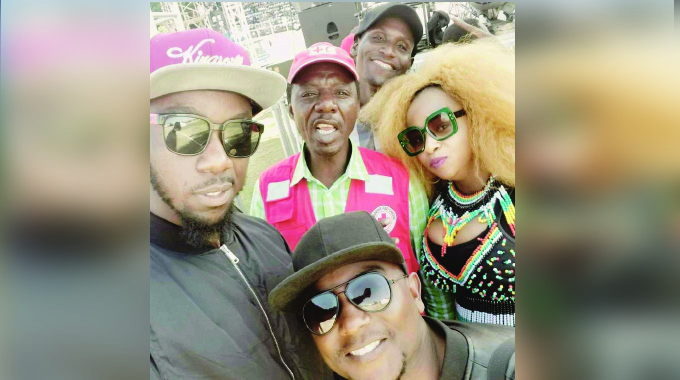
In a bold move, Mzoe 7 gatecrashed an event hosted by superstar Sandra Ndebele. Dressed sharply and armed with only a demo CD and unwavering belief in his craft, he bluffed his way into the VIP section with help from Saimon Mambazo Phiri, a prominent choreographer who mistook him for one of the acts of the night. Instead of being thrown out, fate smiled. Sandra Ndebele took receipt of the CD, listened to his music and immediately saw his potential. She offered him a collaboration.
“That was the platinum moment. It changed everything. From that day, the spotlight turned to me,” Mzoe7 opened up during a live podcast with DJ Ollah 7 in Bulawayo last week.
Since then, Mzoe 7 has blazed a trail across Zimbabwe’s entertainment scene. Known for his electric stage presence, eclectic fashion sense and genre-defying music, he has become a fixture at high-profile events.
What makes Mzoe 7 stand out in the entertainment scene is his remarkable versatility. He effortlessly blends musical talent with stage charisma, allowing him to connect with a wide range of audiences.
His performances blend Amapiano and house and so good is he that even at dancehall and hip-hop events, he is invited to perform, making him a favourite at galas, festivals and concerts.
“I’ve become the go-to person when it comes to bridging the gap between older and younger generations. You can put me on stage at a Macheso (Alick) gig and people will still enjoy. Place me at a hip-hop or dancehall event, and I still deliver.
“People are often surprised by how an artiste rooted in Amapiano and House can cross genres so easily. It’s because I’m an entertainer, not just a musician.”
Mzoe 7 has shared the stage with major regional and international acts including Busy Signal, Wizkid, the lake AKA, Oskido, Makhadzi, Cassper Nyovest, Winky D and Sandra Ndebele.
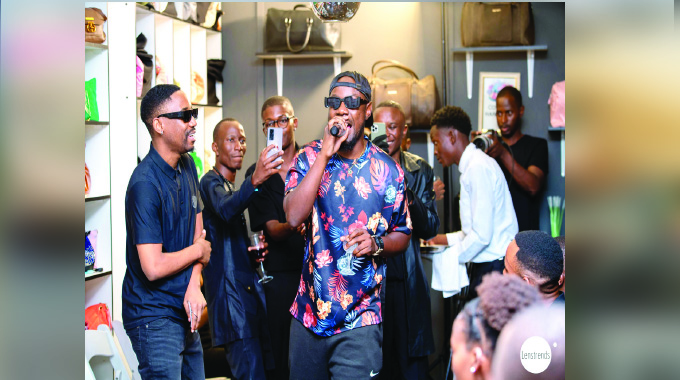
He has performed at festivals like Intwasa, Ibumba and Lumankelele and has even represented Zimbabwe in the United States at a cultural expo.
But Mzoe 7 is not just a performer, he is a brand, an MC, a TV presenter and a mentor to younger artistes. His fashion style has also been a selling point, earning him the nickname “The Fashion Maradona”.
Mzoe 7’s most profound contribution has been through Majita Let’s Talk, a community-based initiative he launched years ago to address mental health, substance abuse and social pressures affecting boys and men. The project has created safe spaces for open conversations, with Mzoe 7 bringing together youth, elders and professionals in candid discussions.
“We’ve lost many friends to suicide and drugs. I realised that as someone in the public eye, I had a responsibility. Majita Let’s Talk gives boys and men a space to express vulnerability, to say indoda iyakhala — a man can cry too,” he said.
Working with counsellors, artistes and community leaders, Mzoe7 has helped change narratives around masculinity and emotional well-being. He also speaks to school children about bullying, pressure and the importance of mental wellness.
On the flip side of fame, he admits, the music industry carries its own burdens.
“We carry a lot, pressure, expectations and personal issues but we channel it into the music. We make songs that inspire, uplift and encourage,” he noted.
Fluent in several languages, Mzoe 7’s linguistic dexterity has also helped him work across cultures and countries. It’s part of what makes him so dynamic on stage and relatable to diverse audiences.
Today, Mzoe 7 stands as a symbol of what it means to stay true to one’s roots while evolving with the times. He sees himself not at the peak but on a steady upward journey.
“I’ve had the chance to meet and perform alongside legends I used to see on TV. I feel seen and appreciated. I may not be where others expect me to be but I’m where I need to be, learning every step. When I reach the top, I’ll know how to sustain it because I’ve understood the process,” he said.
No regrets. No shortcuts. Just the rhythm of persistence and a beat that keeps getting louder.