Mbulelo Mpofu, [email protected]
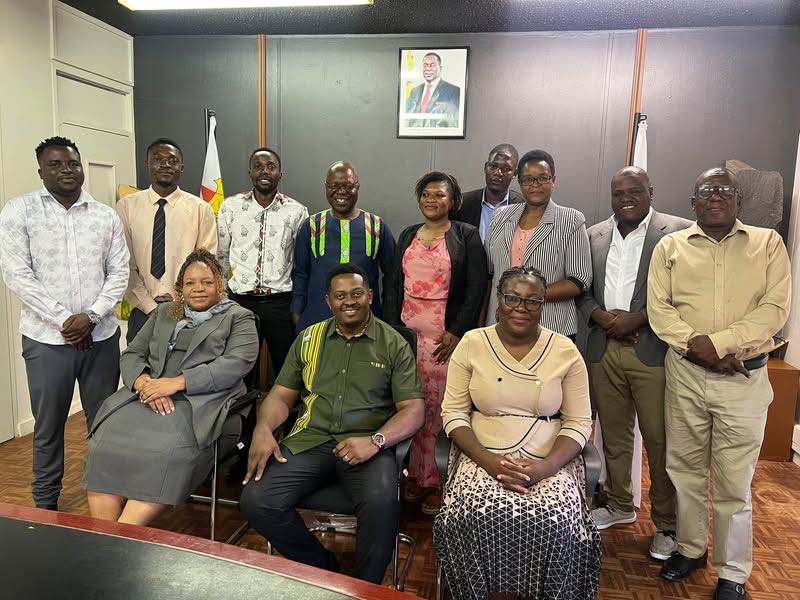
THE National Arts Council of Zimbabwe (NACZ) has welcomed a delegation from the Zimbabwe Republic Police (ZRP) Criminal Investigations Department (CID) specialised unit in a move aimed at strengthening the protection of the country’s cultural and creative industries (CCIs).
The engagement focused on key issues affecting the arts and culture sector, including events organised by unregistered promoters, intellectual property protection and the export of cultural artefacts.
The specialised unit is mandated to prevent, detect and investigate crimes involving Zimbabwe’s cultural assets, particularly works of art and items of cultural heritage.
NACZ said the engagement marked an important step towards strengthening collaboration between the arts regulatory body and law enforcement agencies to safeguard the interests of creatives.
For players in the cultural and creative industries, the development could offer greater protection against copyright infringement, the illegal trade in cultural artefacts and other forms of exploitation that undermine the sector’s growth.
The focus on unregistered promoters is particularly significant for musicians, event organisers and performers, who often face challenges arising from poorly organised events, contractual disputes and questionable business practices.
Stronger cooperation could promote accountability within the events industry while encouraging promoters to comply with relevant regulatory requirements.
Intellectual property protection is equally critical, as artists, musicians, writers and other creatives rely on ownership of their work for recognition, income generation and long-term financial sustainability.
Meanwhile, closer scrutiny of cultural artefact exports could help safeguard Zimbabwe’s heritage against illegal trade and the unauthorised removal of culturally significant objects.
NACZ expressed enthusiasm about the prospective partnership, reaffirming its commitment to working with the police to create a safe and secure environment for Zimbabwean creatives.
The engagement underscores the growing recognition that protecting the creative economy requires more than simply promoting artistic talent. It also calls for effective law enforcement, respect for intellectual property rights and robust mechanisms to safeguard the country’s cultural heritage.
For Zimbabwe’s creative community, the expectation is that this engagement will translate into tangible action that protects artists’ rights, strengthens accountability across the industry and preserves the nation’s cultural assets.
Follow on X: @MbuleloMpofu