Online Reporter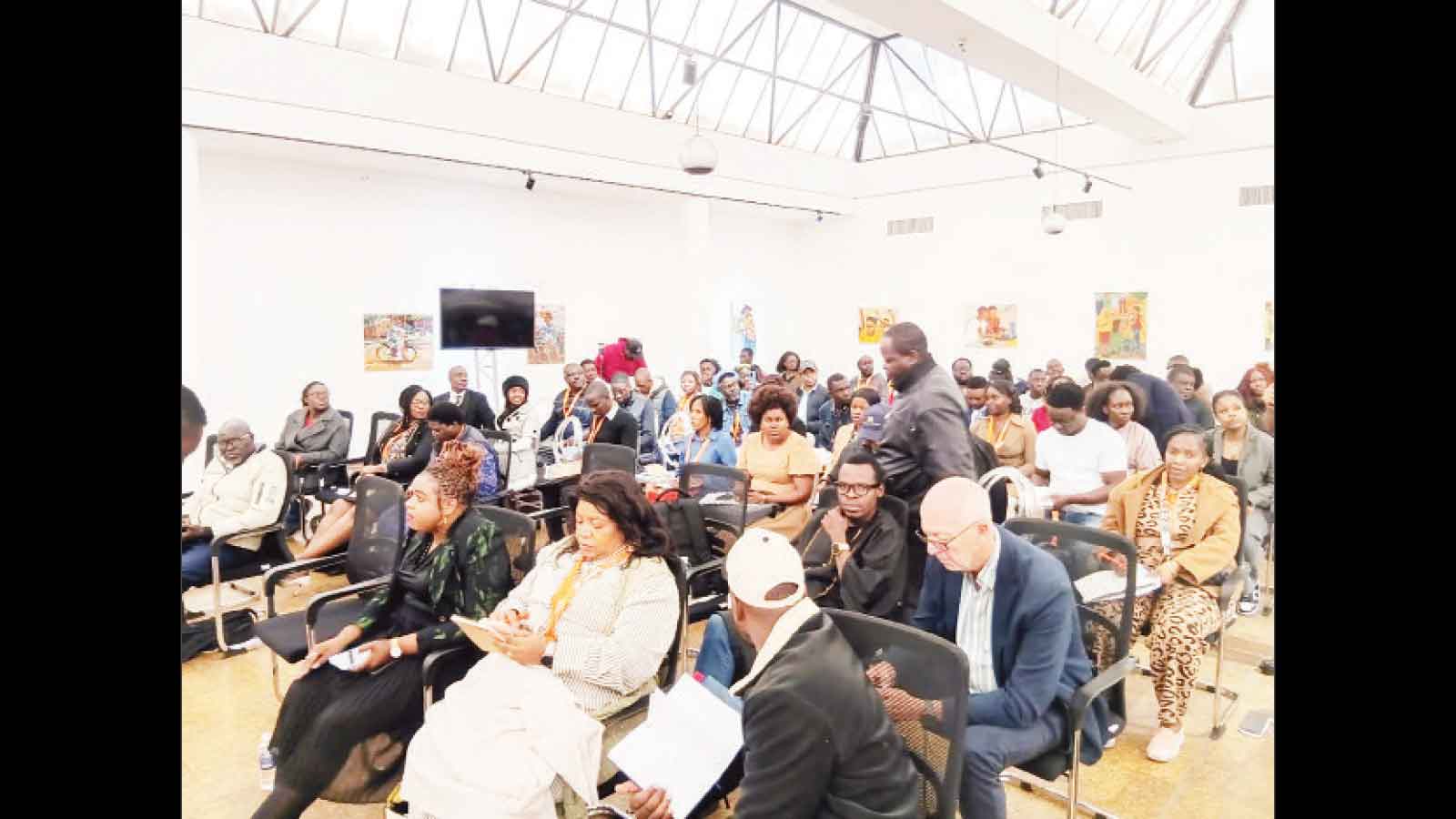
Trust Khosa and Langalihle Mhiti
The National Arts Council of Zimbabwe has challenged creatives to develop innovative project proposals that can contribute to the growth and development of the country’s arts and cultural sector.
NACZ spokesperson Agga Nyabinde said it was time for creatives to engage with experienced professionals and organisations that could help them develop strong proposals capable of attracting funding.
Nyabinde made the remarks on the sidelines of the Africa-Europe Partnership for Culture workshop held yesterday at the National Gallery of Zimbabwe in Harare.
The workshop brought together artists, project managers and diplomats to discuss ways of strengthening the creative sector.
“This workshop is critical for our creatives to learn how to write proposals when applying for grants,” Nyabinde told Zimpapers Arts and Entertainment.
“Creatives need this knowledge when applying for funding. They need to be clear about what they need and what they intend to achieve through their projects. The uniqueness of project proposals plays a big role in addressing this issue.”
Nyabinde said the NACZ was ready to assist creatives who require guidance in developing their project proposals.
He encouraged artists to make use of the resources and expertise available to them instead of struggling to develop proposals on their own.
“Our office will remain open to assisting creatives,” he said. “We will do our best to assist them in that area.”
The workshop provided an important platform for creatives to gain practical knowledge on developing proposals that can convince potential funders to support their projects.
Participants were encouraged to present clear, realistic, and innovative ideas that demonstrate the impact their projects could have on communities and the wider creative economy.
For many artists, access to funding remains a major challenge, particularly for those who lack experience.
They were urged to conduct proper research before submitting proposals, ensuring that their ideas respond to genuine needs within their communities. Such an approach, stakeholders noted, can increase the chances of projects receiving financial and technical support while also ensuring that funding is directed towards initiatives with meaningful outcomes.
The discussions also highlighted the importance of collaboration among creatives, Government institutions, cultural organisations and development partners. By working together, artists can access wider networks, share expertise and develop projects that have the potential to reach larger audiences both locally and internationally.
Participants further noted that a strong proposal should clearly outline the objectives, activities, expected outcomes and budget of a project.