Nqobile Bhebhe, Zimpapers Business Hub
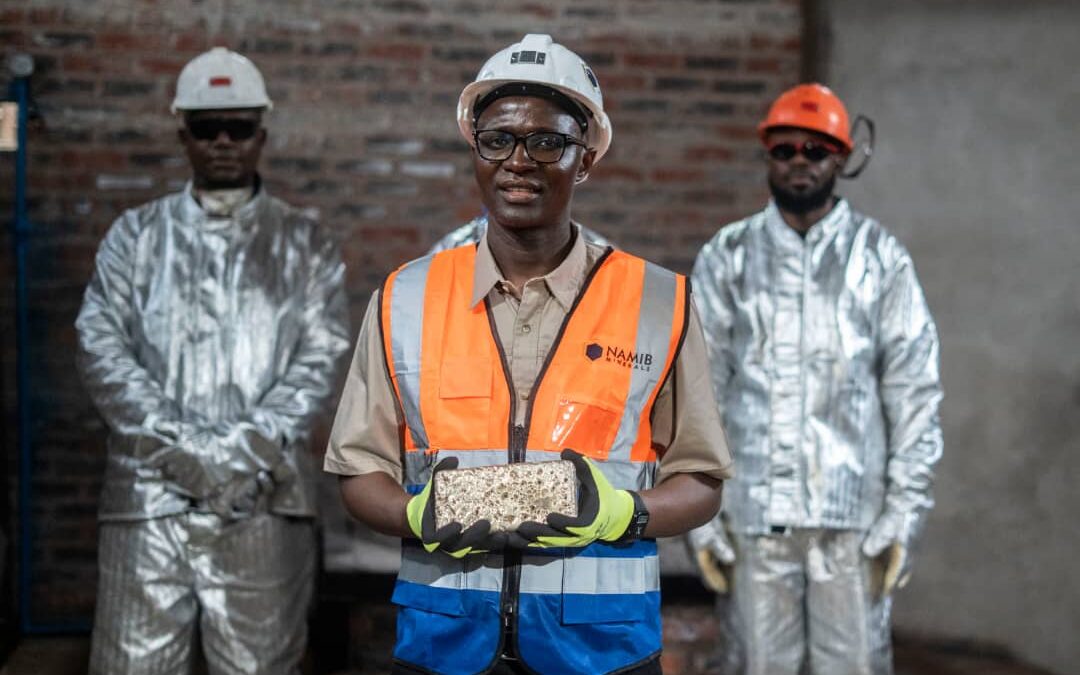
NAMIB Minerals has achieved its first gold pour at Redwing Mine, marking the return of the historic Zimbabwean mining asset to commercial production and strengthening the company’s gold production capacity as it advances plans to expand output in 2027.
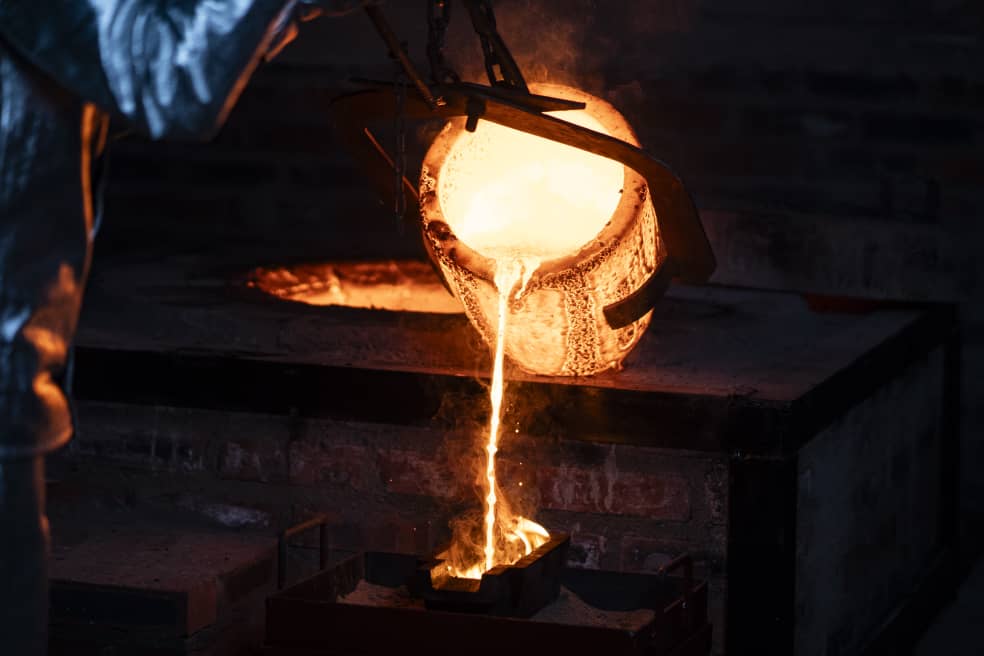
The first gold pour, achieved on Monday in line with the November 2026 target, positions Redwing alongside How Mine as the foundation of Namib Minerals’ expanding multi-asset gold production strategy.
The development represents progress in efforts to restore previously underutilised mining assets to production, while increasing the company’s operational capacity and positioning it for higher output in 2027.
Namib Minerals, listed on Nasdaq under the ticker NAMM, said the first gold pour followed an accelerated restart programme involving the rehabilitation and recommissioning of critical mining infrastructure and processing facilities.
Namib chief executive officer Mr Tulani Sikwila said the achievement marked an important turning point for the company.
“Redwing is back. Today is an important moment for Namib Minerals because we have brought a historically significant mine back into gold production,” he said.
“We believe this is not simply a milestone for one asset, but a step-change in the development of the Company.
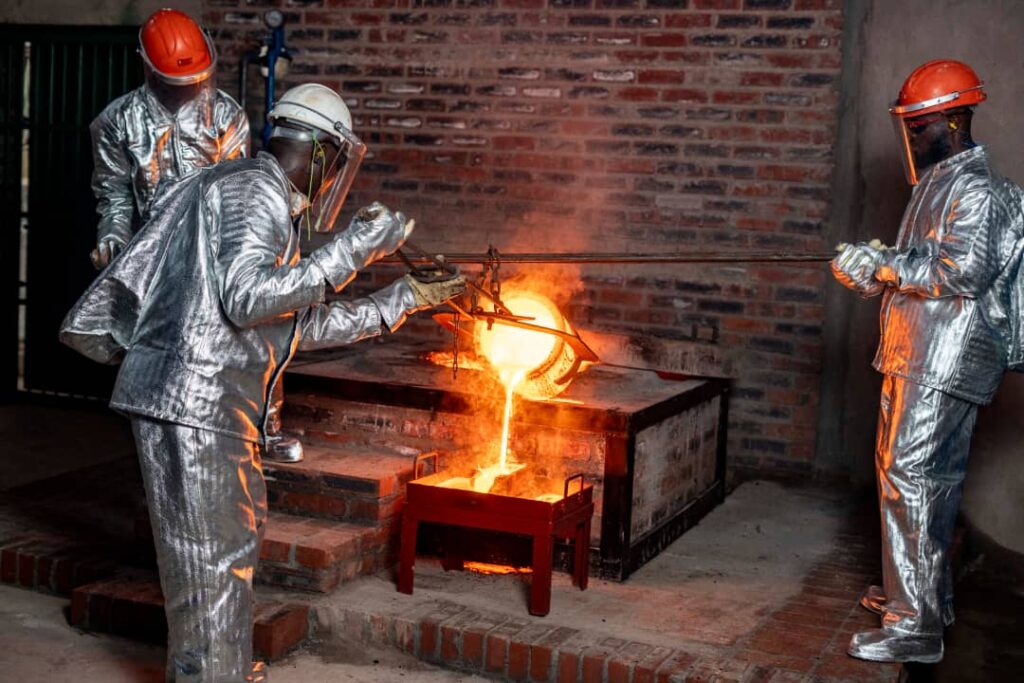
“With How Mine as our established production foundation and Redwing back in commercial production, we are building a two-mine operating platform and advancing our transition into a multi-asset gold producer.”
The return of Redwing to production provides Namib with an additional operating asset as it pursues growth across its Zimbabwean mining portfolio, which also includes Mazowe Mine.
The company, however, expects production growth at Redwing to be gradual, with the immediate priority being to establish stable mining and processing operations before increasing throughput.
“First gold is the beginning of the next phase, not the end of the job.
“Our focus now is to establish consistent, reliable production, demonstrate the operating performance of the mine and execute the planned ramp-up,” said Sikwila.
The next phase will involve increasing mining and processing capacity through the installation and commissioning of a higher-capacity winder, which the company expects to receive by the end of the first quarter of 2027.
The equipment is considered critical to improving underground materials movement, supporting increased ore deliveries to the processing plant and facilitating higher production levels.
Namib is targeting increased ore processing and gold production in 2027, subject to commissioning progress, underground mining performance, plant efficiency and other operating conditions.
“At the same time, we are continuing the fully funded DFS technical programme, which we believe will help unlock Redwing’s larger potential, while advancing How Mine, Mazowe Mine and our broader portfolio.
“Our ambition is to build a much larger African gold and critical metals business through operational delivery, disciplined capital allocation and responsible development. I would like to thank our employees, contractors, host communities and all stakeholders who have helped bring Redwing back into production,” he added.
The first gold pour marks Redwing’s transition into the operating phase, while the company continues technical and resource-development work aimed at unlocking the mine’s longer-term production potential.