

 Online Reporter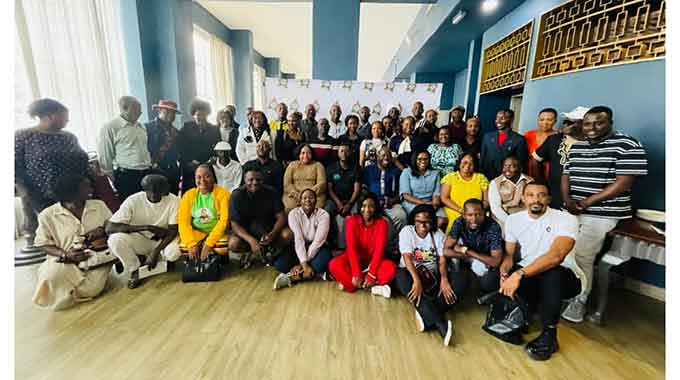
Obey Musiwa-Online Reporter
THE National Arts Council of Zimbabwe (NACZ), in partnership with the Chartered Accountants Academy (CAA), convened a Creative Finance Workshop in Harare last week to assist artists in transforming their talent into viable business ventures.
The event blended policy vision, institutional empowerment and lived testimony to highlight why the creative sector must be formalised and how artists can secure their place in the economy.
NACZ director of Arts Promotion and Development, Mrs Barbara Gotore, said the workshop was a direct response to NACZ policy interventions aimed at formalising the arts sector.
She emphasised that creativity must be matched with financial literacy to secure livelihoods.
“The myth of the ‘starving artist’ is a romanticised tragedy that we are here to rewrite,” said Mrs Gotore.
“Art and finance are not opposites, they are partners. When managed with wisdom, money becomes the fuel for your imagination.”
She further said that NACZ is focusing on sector formalisation, intellectual property advocacy, and market development to ensure artists move from hustling to structured business.
“NACZ is championing the registration and professionalisation of creative enterprises so you can access formal banking, credit, and investment,” she said.
“We are intensifying efforts to ensure that copyright laws are not just ink on paper, but a shield that protects your earnings from piracy.”
Chartered Accountants Academy managing director, Mr Elliot Wonenyika, highlighted that the partnership with NACZ was designed to equip artists with practical tools to manage their finances and build sustainable enterprises.
“When talent meets sound financial management, creativity becomes a sustainable enterprise,” said Mr Wonenyika.
“Every artist is an entrepreneur, and financial discipline is not a constraint on creativity, but the foundation that allows it to flourish.”
He added that empowering creatives with financial literacy contributes directly to Zimbabwe’s economic growth, employment, and tourism.
“Our partnership with NACZ was born from a shared recognition that the creative sector, while a significant contributor to our national GDP, remains financially underserved,” he said.
“By empowering creatives with financial literacy, we are helping to formalise an industry, unlock investment, and ensure that the wealth generated by Zimbabwean art stays in the hands of those who create it.”
One of the beneficiaries, Motion Zebra Film maker Ms Charlene Furusa, shared her personal struggles with accessing financial services as an artist.
She emphasised the need for corporate partnerships and training in pitching.
“I do not know how to get a mortgage in a bank because no one is talking to me as an artist,” she said.
“I have been on the radio for almost ten years, but I cannot even get furniture on lay-by without a payslip.”
She said it would be brilliant if they got more input from corporates like CAA, which will increase their credibility.



 Bongani Ndlovu