admin
admin
Leonard Ncube, Victoria Falls Reporter
National dam water levels have risen to over 81 percent following incessant rains that have been pounding most parts of the country in the past week.
With the Meteorological Services Department (MSD) predicting heavy rains until this weekend in most parts of the country, especially in south-eastern areas, most dams are expected to receive significant inflows.
The year started with wet weather, raising hopes of improvement in water inflows into dams and rivers countrywide.
Most parts of the country, especially urban areas, have been experiencing water challenges, with Bulawayo residents enduring water shedding.
Places such as Victoria Falls and Hwange whose water comes from the Zambezi River also faced water shortages during the hot season due to a decline in water levels.
According to a weekly update from the Zimbabwe National Water Authority (Zinwa), the wet spell being experienced continues to push dam levels up.
Zinwa said as of Tuesday, the average national dam water level average stood at 81,2 percent, up from 80,9 percent on December 21.
Some dams, such as Rusape, Wenimbi, Khami, Exchange and Bangazaan, are already spilling.
Some of the major dams dotted around the country include Bubi-Lupane, Ngwenya, Insukamini, Pollards, Khami, Exchange, Chivero, Manyame, Harava, Biri, Mazvikadeyi, Mazowe, Kushinga-Phikhelela, Masembura, Mtshabezi, Umzingwane, Upper and Lower Ncema, Zhovhe, Insiza, Antelope, Tugwi-Mukosi, Manjirenji, Mutirikwi, Gwenhoro, Amapongogwe, Whitewaters, Mamina, Claw, Osborne, Sebakwe, Marovanyati, Muchekeranwa, Ruti and Siya.
The dams are used for various purposes including irrigation, domestic and industrial supply and mining.
Zinwa acting corporate communications and marketing manager Mr Tsungirai Shoriwa said water levels in the country’s major dams are on an upward trajectory as a result of the rains received in different parts of the country in recent days.

“As of January 3, 2023, the national dam level average stood at 81,2 percent which is higher than the 57,9 percent normally expected during this time of the year. Increases in dam levels have been noted in dams such as Mundi-Mataga, Valley, Osborne, Siya, Small Bridge, Nyadire, Mwenje, Kalope, Tshangwa, Shangani and Mazvikadei,” he said.
He said the rise in water levels in the dams will help improve water security for irrigation and domestic use.
“Dams supplying water to most urban centres now satisfy the 21-month rule and hold sufficient water to carry the urban areas to the next rainy season. Dams supplying Harare like Chivero are 85,4 percent full, Manyame 79,8 percent and Seke 41 percent full,” said Mr Shoriwa
“However, there is concern about low levels in dams that supply Bulawayo with Umzingwane and Upper Ncema still on five percent and 2,2 percent respectively.”
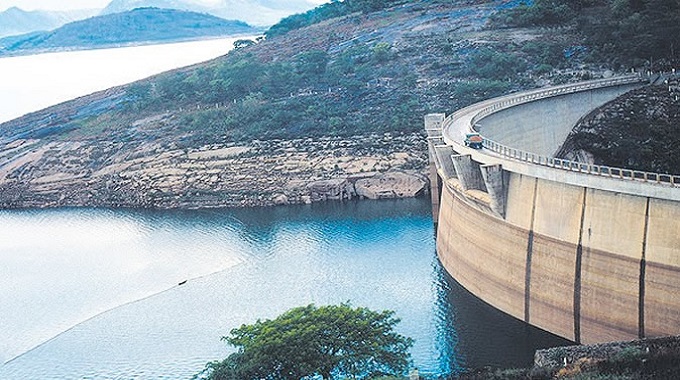
Mtshabezi is 68,8 percent full, Inyankuni 37,7 percent, and Lower Ncema 32,8 percent.
Bubi-Lupane Dam is 57,7 percent full, Ngwenya (82,1), Insukamini (76,9), Pollards (64,7), Zhovhe (77,3), Antelope (74,8) and Insiza (63,8) are among other dams in Matabeleland region.
Improved water security for the country is in line with the Second Republic’s aspirations for an upper-middle-income society by 2030.
Meanwhile, the Department of Civil Protection has urged citizens to be on alert of forecasted torrential rains from tomorrow to Sunday across the country.
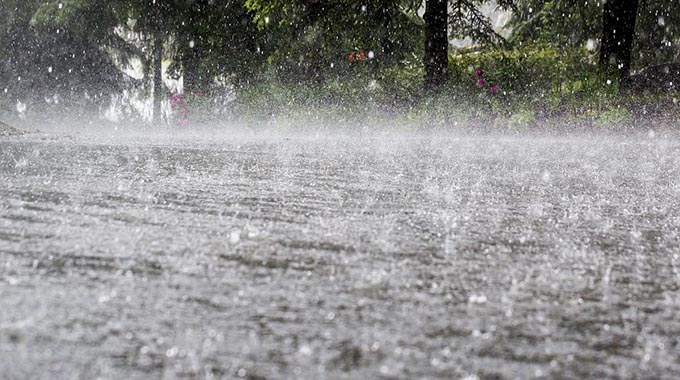
The department implored relevant stakeholders and traditional leaders to help disseminate information about the heavy rains that are expected to exceed 65mm in 24 hours in Mashonaland, Manicaland, parts of Midlands and Masvingo provinces.
The agency said citizens should be on the watch for possible flooding, avoid crossing flooded rivers, and stay indoors during rains. District civil protection committees have been activated. -@ncubeleon



 Online Reporter