Online Reporter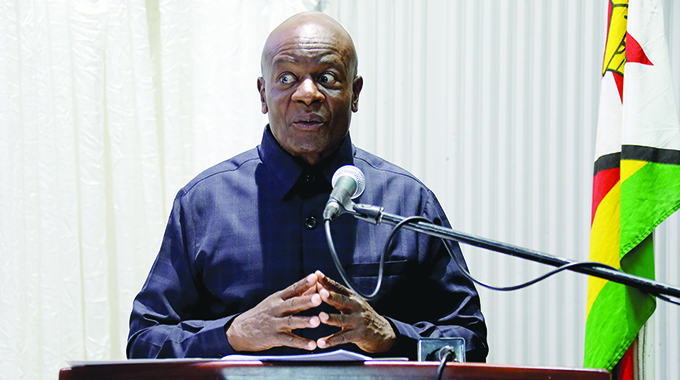
Sikhumbuzo Moyo, Chronicle Writer
THE Government has sounded the alarm over an impending crisis, warning that a catastrophic 250 000 people, alongside 1 000 schools and over 5 000 households, face imminent risk from cyclone-induced flooding and flash floods during the 2025/26 rainy season.
Local Government and Public Works Minister, Daniel Garwe, revealed the stark figures while presenting the Multi-Hazard Contingency Plan to Cabinet, emphasising the severe threat to both human life and critical infrastructure.
The Minister cautioned that the quarter of a million affected citizens include highly vulnerable persons with disabilities who will necessitate targeted assistance.
Authorities stressed the urgent need for resources, stating that nearly US$100 million is required to implement crucial preventative measures and provide essential relief services to the communities at risk of widespread damage.
The national contingency plan aims to strengthen preparedness and response capacity from national and provincial levels down to village structures, ensuring timely and co-ordinated emergency interventions by Government and its partners.
The Multi-Hazard Contingency Plan outlines a strategic approach to disaster preparedness, planning and mitigation. It seeks to anticipate and assess potential hazards, enhance early warning systems, improve response and relief operations, support rehabilitation and early recovery efforts, and promote resilience building and disaster risk reduction for sustainable development.
“The projected normal to above-normal rainfall is likely to influence heavy precipitation affecting the country, especially from December 2025 through to February 2026, bringing hazards associated with the season highlighted earlier,” said Minister Garwe.
He warned that moderate and localised strong winds could cause significant damage to public infrastructure such as schools, health facilities, crops and livelihoods, affecting between 5 000 and 15 000 households, including those headed by the elderly, persons with disabilities, child-headed families and orphans. Cumulatively, more than 1 000 schools could be damaged, impacting over 20 000 learners.
Minister Garwe said cyclone-induced flooding and flash floods are expected to affect at least 250 000 people, while the poor state of some roads and bridges will delay relief efforts and increase vulnerability in rural provinces.
He also cautioned that road traffic accidents and mining incidents, particularly in artisanal mining areas, are likely to rise during the rainy season if mitigation measures are not implemented urgently.
Seasonal outbreaks of human and animal diseases such as cholera, typhoid, zoonotic infections and plant pests could also become moderate to severe due to high temperatures and favourable conditions across susceptible provinces.
“We anticipate that Treasury will proactively release part of the funding for the Multi-Hazards Contingency Plan. The projected funding requirements for the plan, incorporating all sectors for operational planning and early recovery programming, is US$96 178 635,” reads Minister Garwe’s report.
He emphasised that disasters can derail development gains, while programmes that fail to mainstream Disaster Risk Management (DRM) can increase community vulnerability. Developing contingency plans has become a priority globally to ensure populations are prepared for disasters and to minimise casualties.
“Zimbabwe is experiencing an increase in hazardous events including tropical cyclones, droughts, floods, hailstorms, lightning, landslides, veld fires and strong winds, among others.
“These hazards, both natural and human-induced, often trigger food, nutrition and health insecurity, environmental degradation and gender inequalities. Infrastructure such as roads, public buildings and homes are also damaged. At micro level, this weakens family resilience, while at macro level, resources earmarked for development are diverted to disaster response,” said Minister Garwe.
He said the Contingency Plan sets out what Government, through the Department of Civil Protection (DCP) and its partners, will do to prevent or reduce potential adverse impacts from hazards.