


 Online Reporter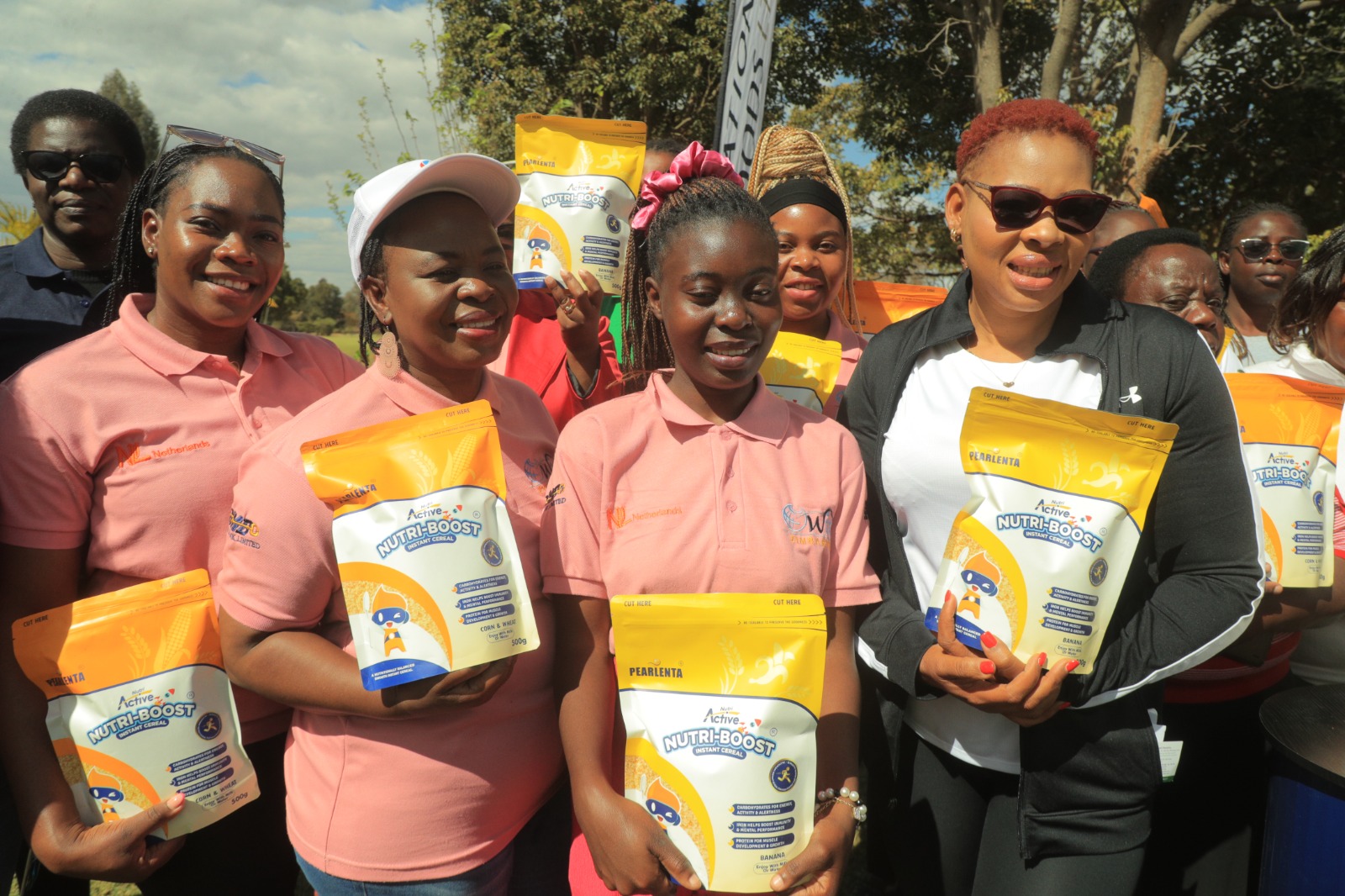
Sunday Mail Reporter
THE recent commissioning of National Foods’ US$7 million breakfast cereal plant by President Mnangagwa is projected to significantly reduce the country’s cereal imports.
The plant is also expected to result in huge cost savings.
“The launch of this cereal plant in May marks a pivotal moment for us. We are committed to expanding our portfolio with nutritious cereals tailored for the Zimbabwean market and neighbouring regions,” said National Foods cereal brand manager Ms Media Tazarurwa on Saturday at a Breakfast Total Wellbeing engagement organised in conjunction with the Organisation of Women in International Trade (OWIT).
“Our goal is to reduce our dependency on imports and foster local food production.”

She said the Nutriburst Instant Cereal, which was launched in April last year, has received positive feedback.
“This quick and healthy breakfast option, especially for children, comes conveniently packaged with milk or water,” she said.
The introduction of Nutriburst is a significant step towards addressing the nutritional needs of Zimbabweans while also curbing import reliance.
Mr Tazarurwa emphasised the importance of local production in ensuring food security.
OWIT’s Harare chapter president Ms Buhlebenkosi Nyathi highlighted the crucial link between women’s wellness and economic empowerment.
“We collaborate with partners like National Foods, who share our vision for wellness products. Supporting businesswomen is essential, as they often navigate various challenges that affect their productivity and mental health,” said Ms Nyathi.
“At OWIT, our mission is economic empowerment, and we recognise that holistic wellness plays a vital role in achieving this.”
The partnership between National Foods and OWIT aims to create an environment where women can thrive personally and professionally.
By prioritising wellness, they are equipping businesswomen with the tools they need to succeed.
As National Foods forges ahead with its ambitious plans, the company stands as a beacon of progress, demonstrating the potential of local industries to meet the country’s nutritional needs.



 Bongani Ndlovu
 Online Reporter